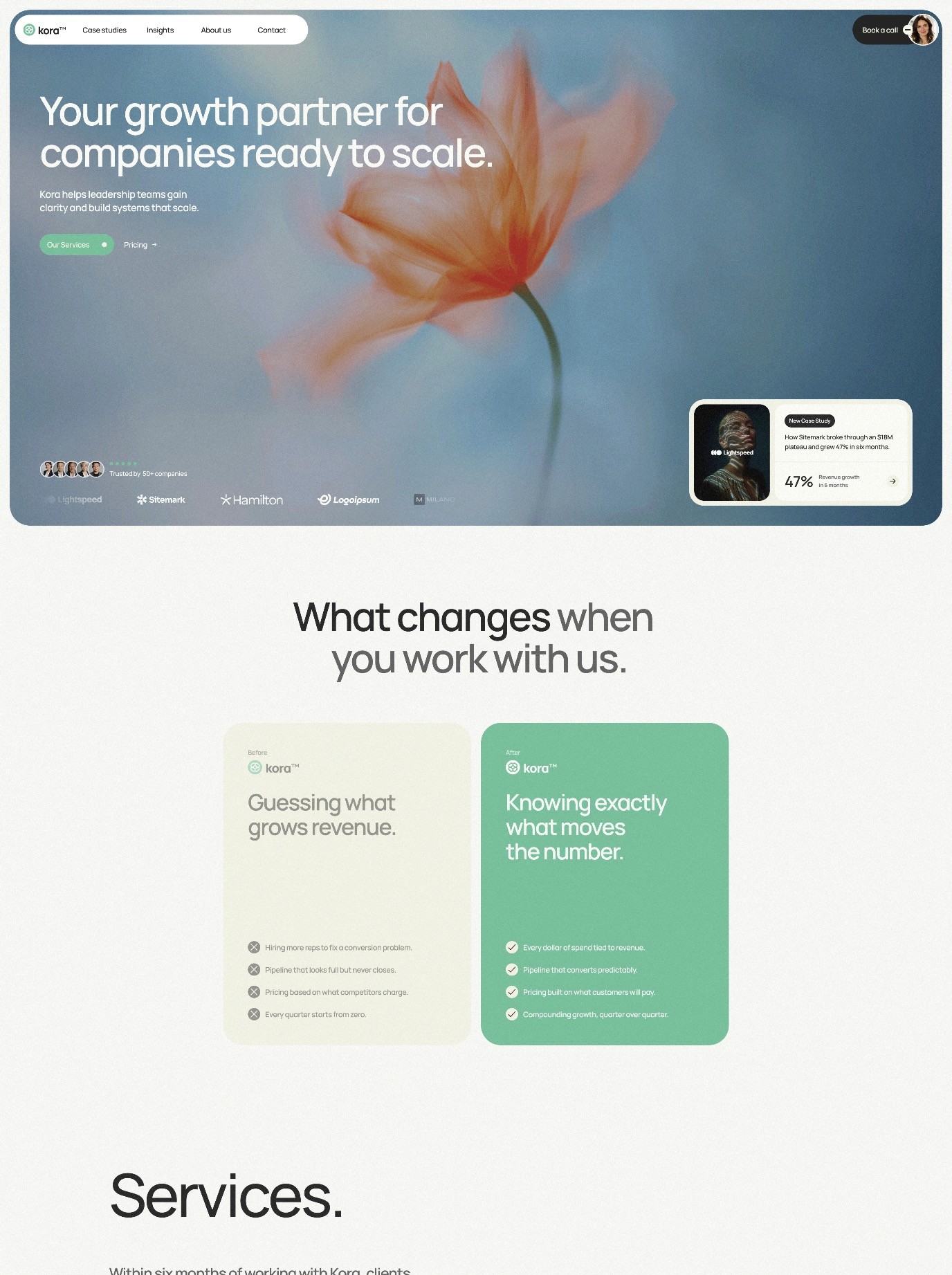
Building every client project from scratch is killing your freelance business.
You spend weeks wireframing basic layouts, setting up navigation systems, and creating component libraries before you can even start on the actual design work your clients are paying for. Meanwhile, faster competitors are delivering similar quality projects in half the time.
This isn't about being lazy or cutting corners. It's about recognizing that most websites need the same foundational elements, and starting with professional templates lets you focus on what actually differentiates your work: solving your client's specific problems.
Why Starting From Scratch Doesn't Make Sense
Every business website needs similar core elements: a homepage that explains what they do, service pages that detail their offerings, an about section that builds trust, and contact forms that actually work. Spending 20-30 hours building these basics from scratch on every project is inefficient.
Templates provide these foundations so you can spend your time on what clients actually value: understanding their business, crafting their specific message, integrating their brand identity properly, and optimizing for their goals.
The client doesn't care if you built the navigation from scratch. They care that their website converts visitors into customers and represents their brand professionally.
How Templates Change Your Business
Instead of spending weeks on foundational work, you can focus immediately on customization and client specific value. A project that normally takes 6-8 weeks can be delivered in 3-4 weeks without compromising quality.
This means you can either take on more clients (increasing income) or spend more time on each project perfecting the details (justifying higher rates). Both approaches improve your freelance business significantly.
Templates also reduce the risk of scope creep. When clients see a working website early in the process, they understand exactly what they're getting and can make informed decisions about additional features or changes.
Choosing the Right Template for Each Client Type
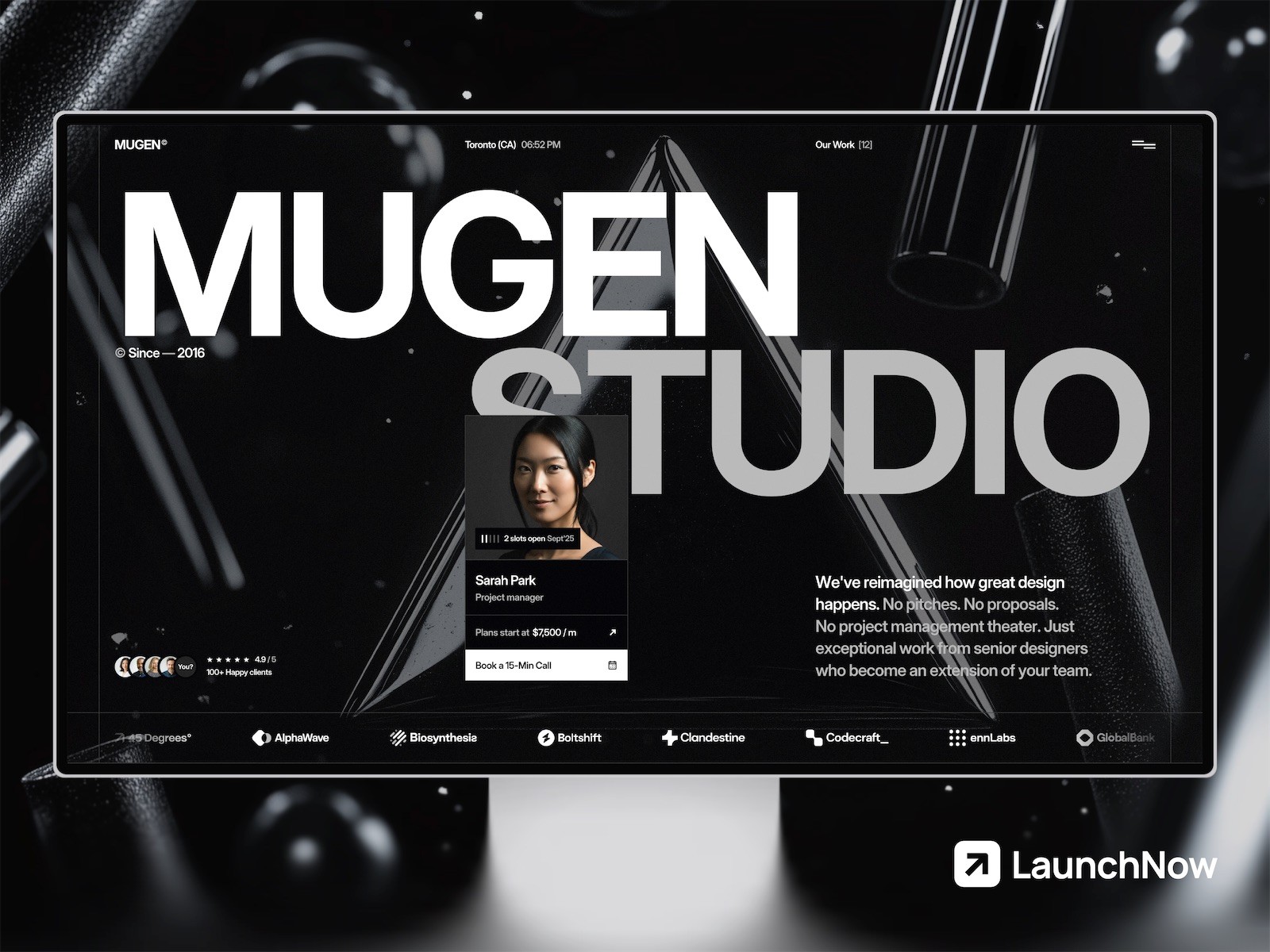
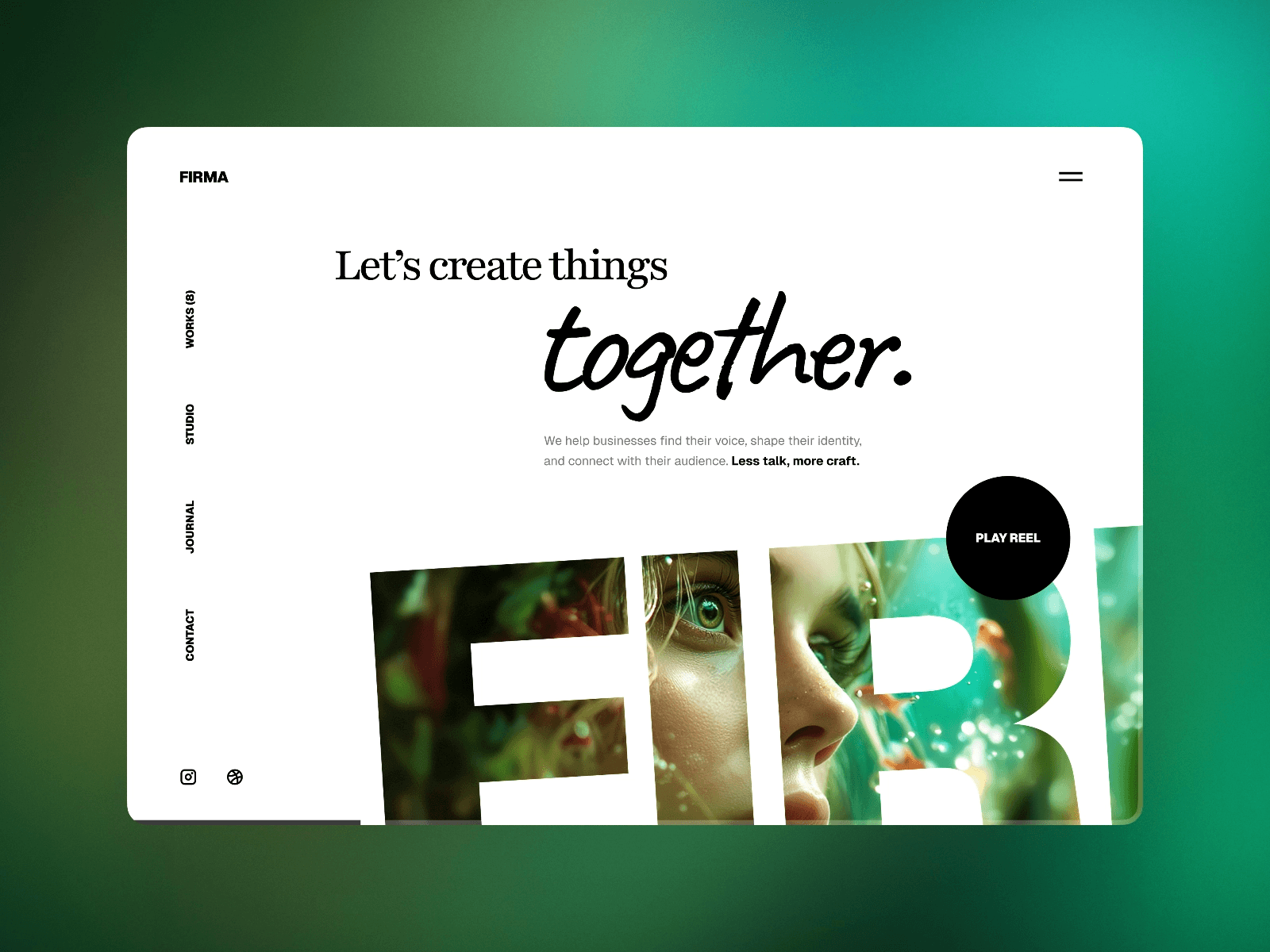
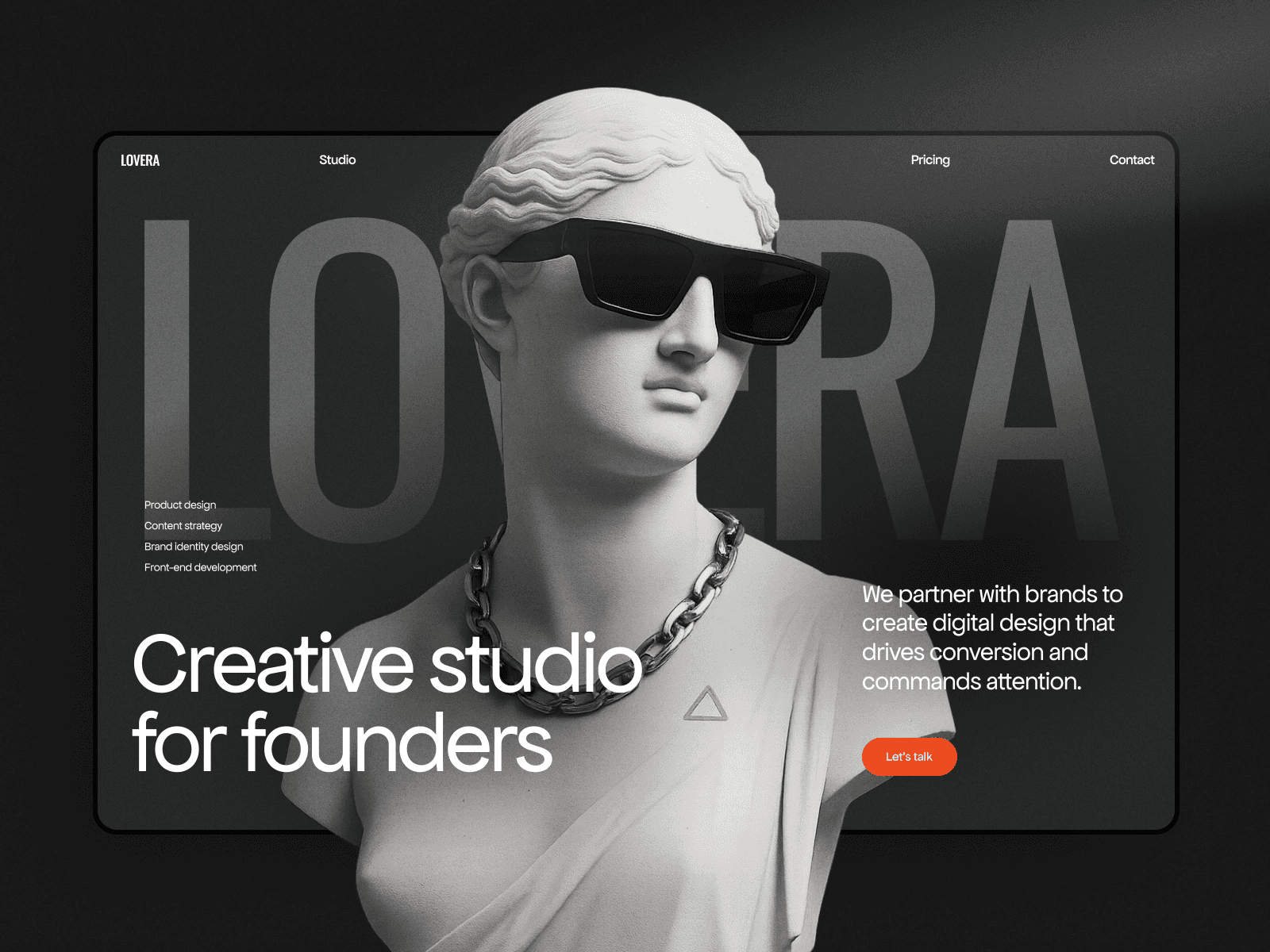
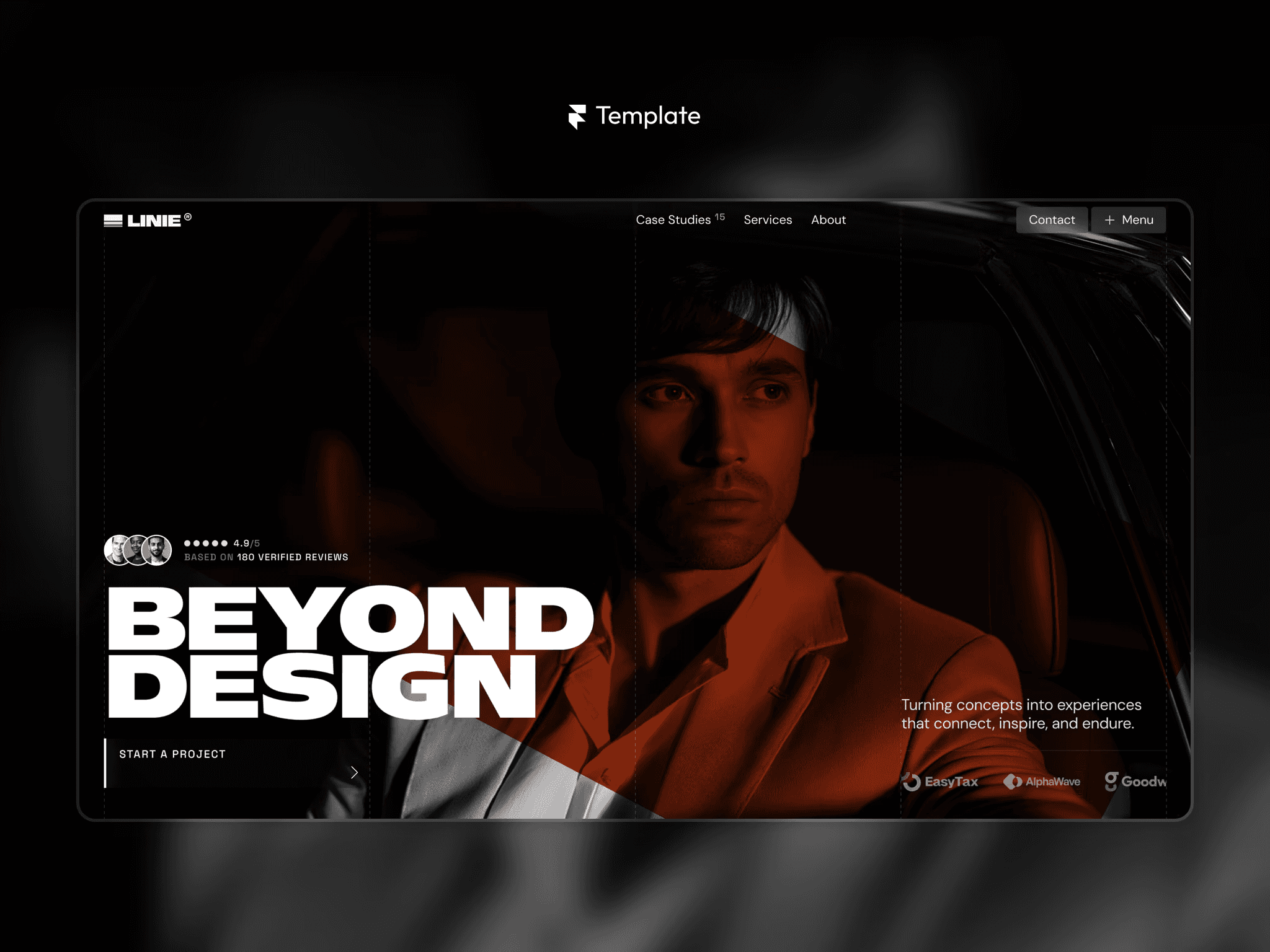
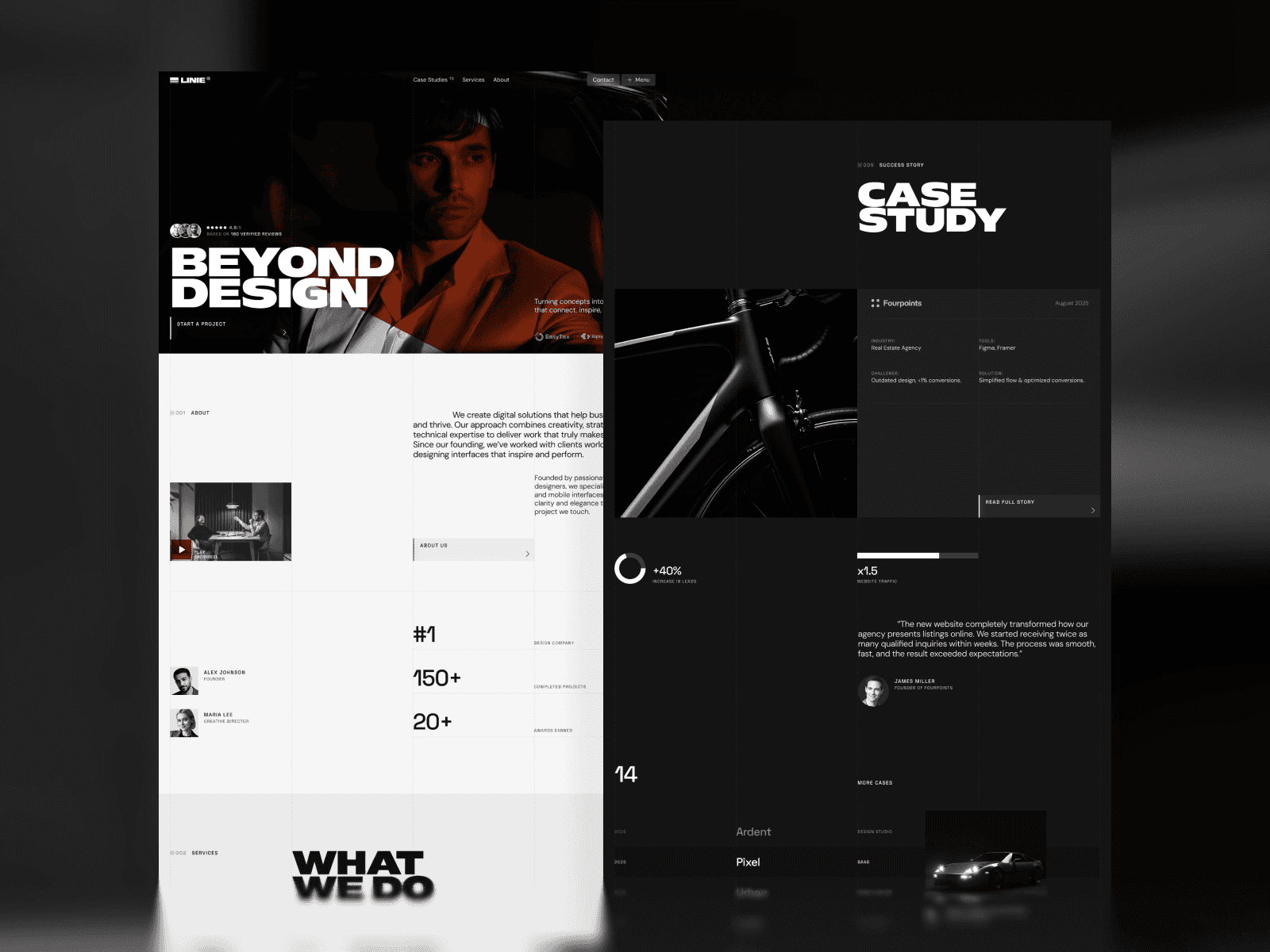
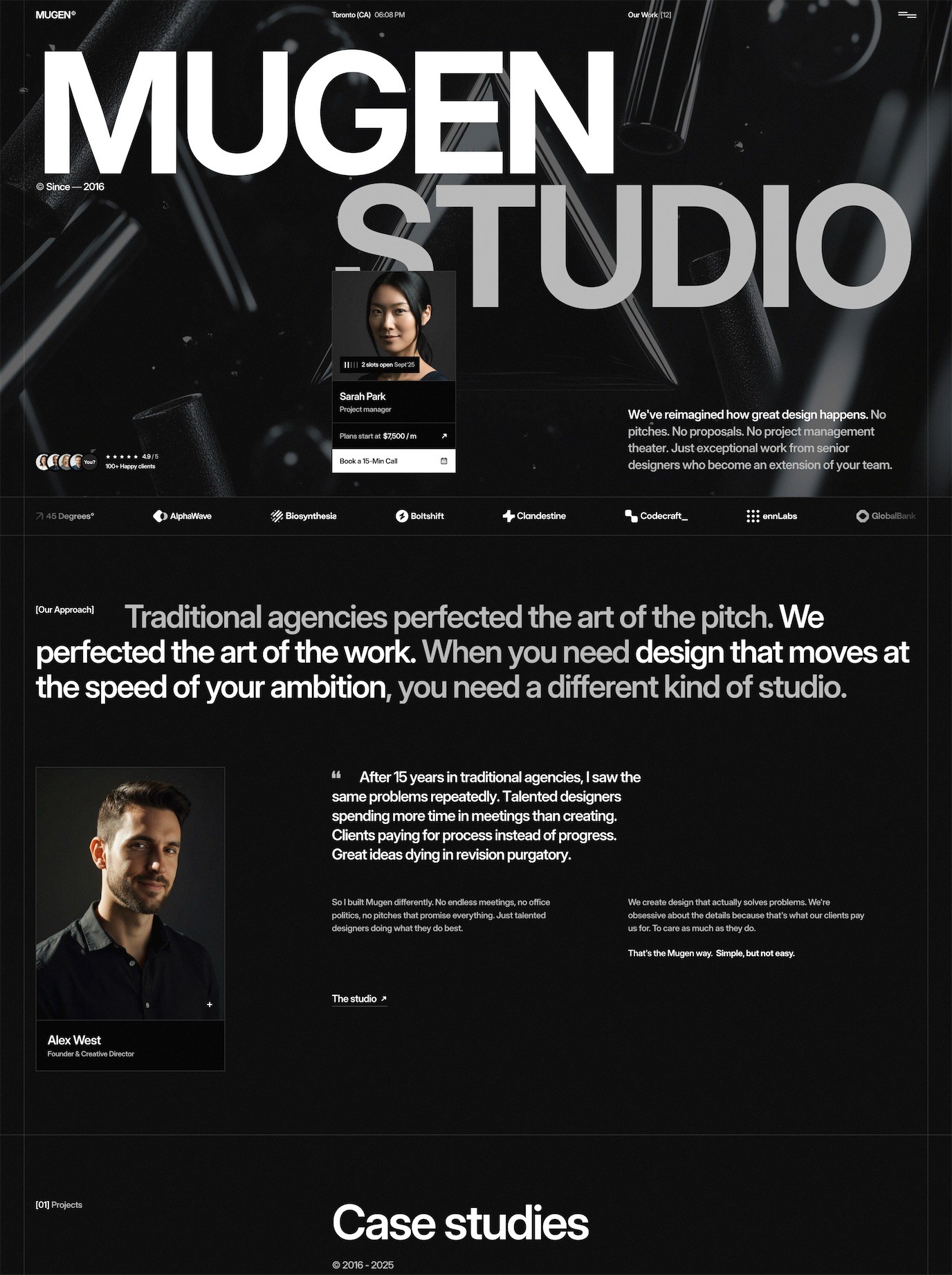
For design studios or creative freelancers who want to showcase their work professionally, Mugen provides a sophisticated, dark aesthetic that immediately establishes creative credibility. The layout is designed specifically for design businesses that need to present their portfolio while explaining their services and process.
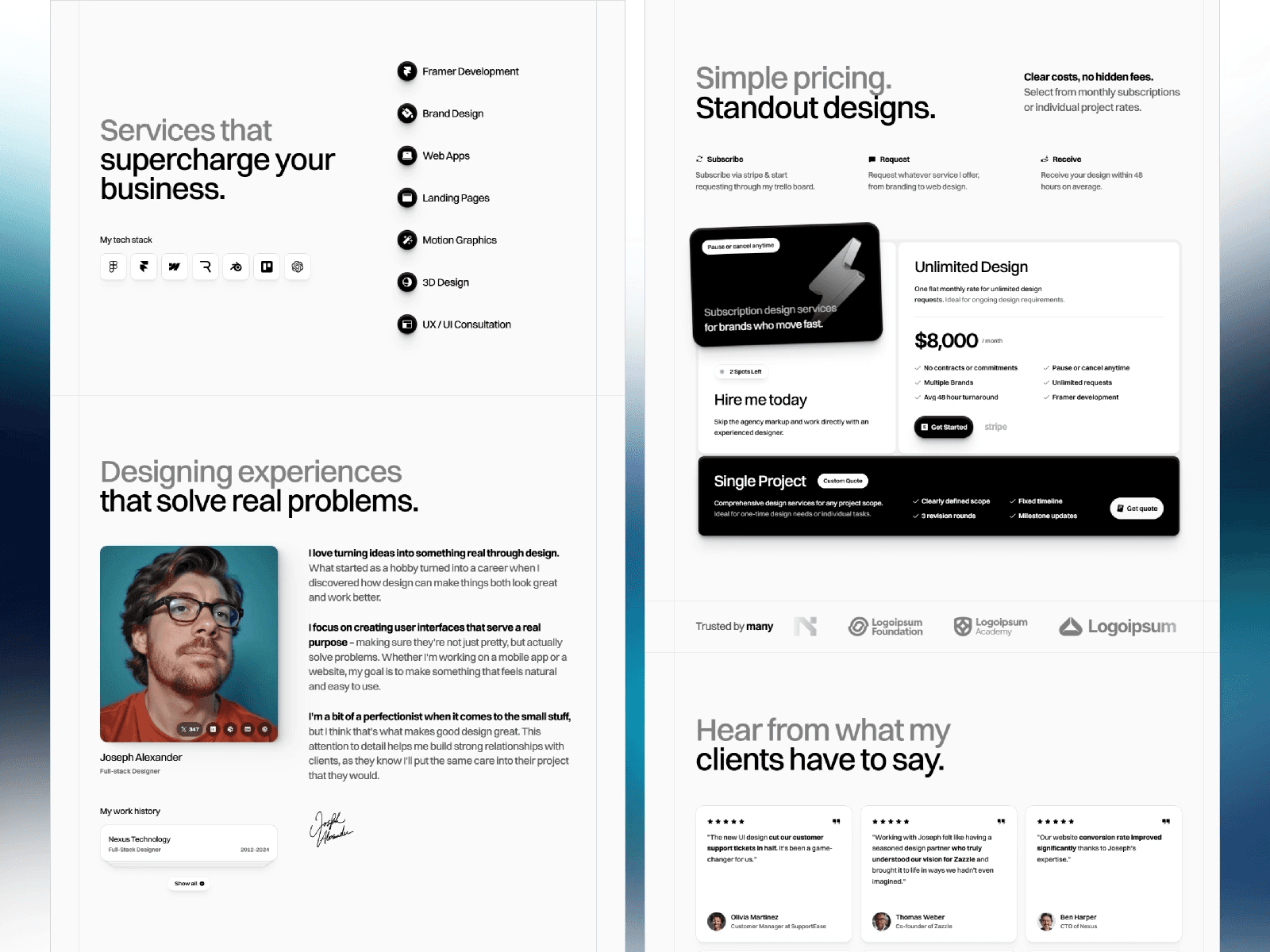
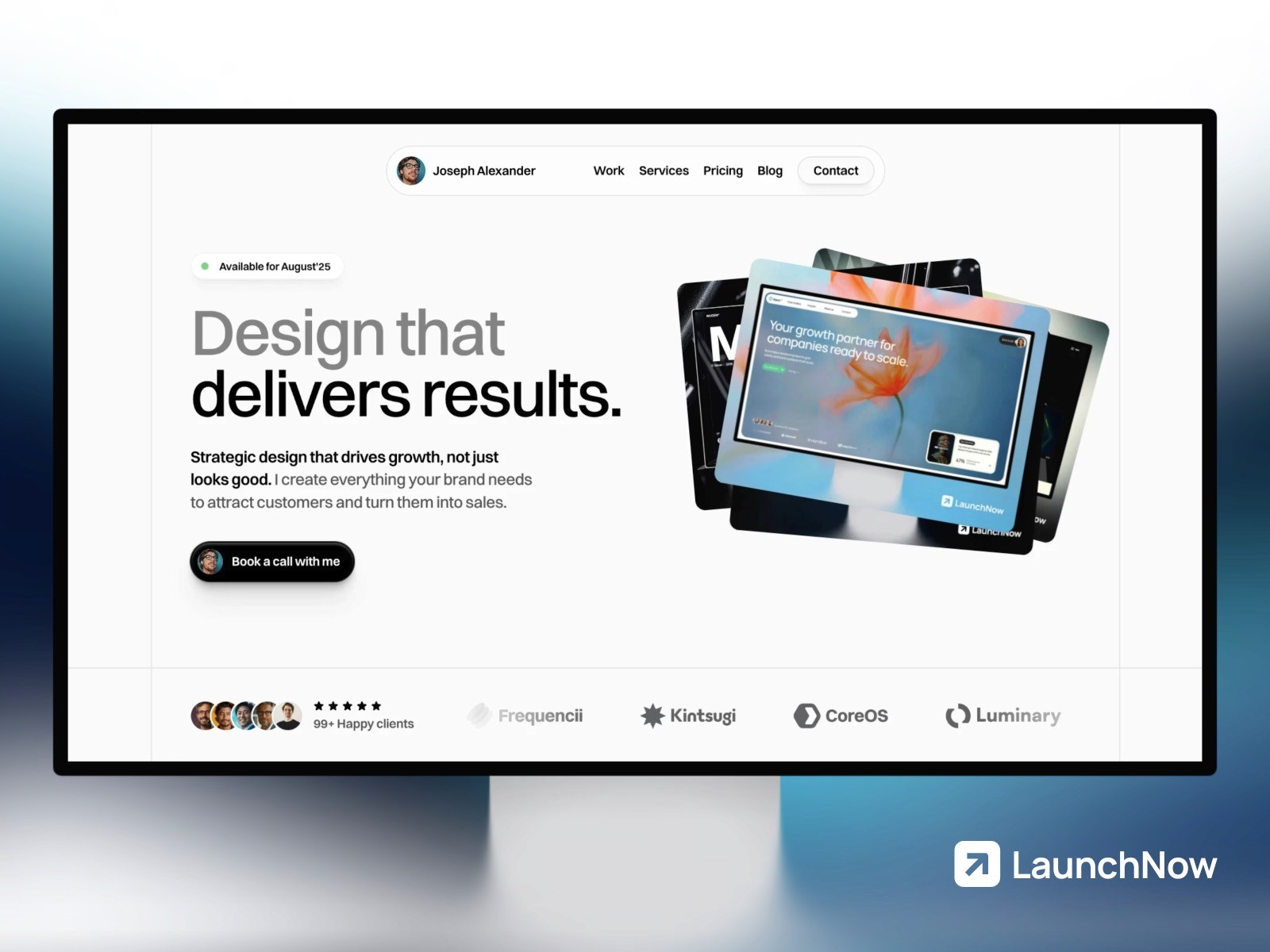
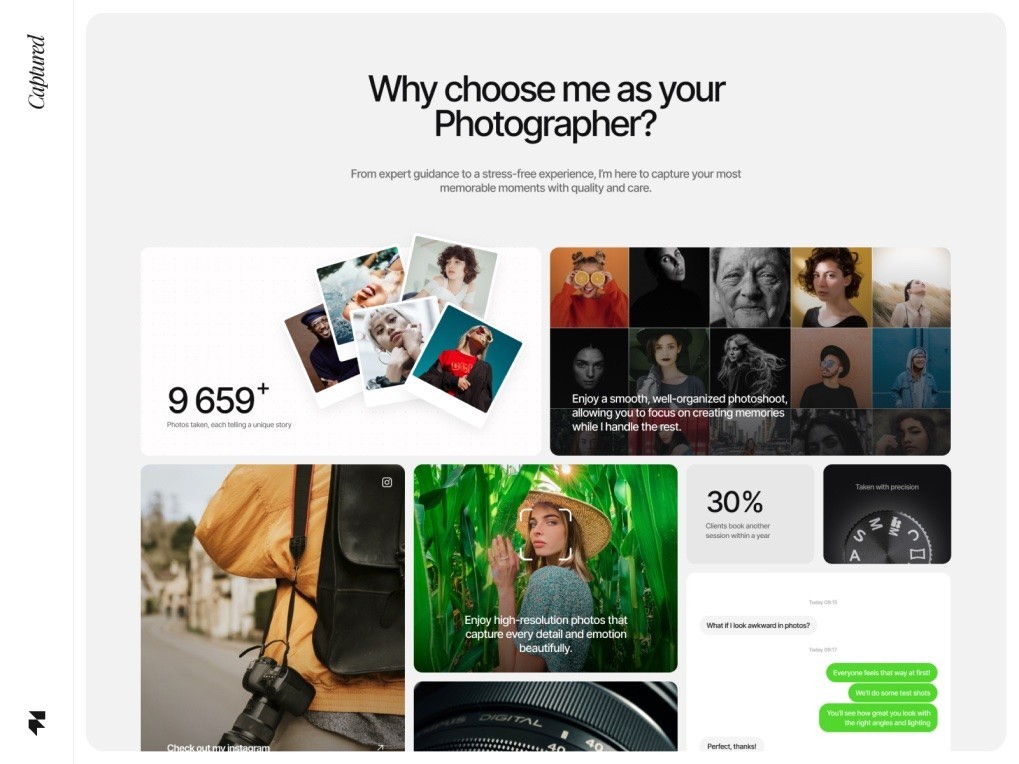
Creative professionals need something different. Launchfolio balances beautiful portfolio presentation with practical business needs. It showcases work effectively while guiding visitors toward hiring decisions.
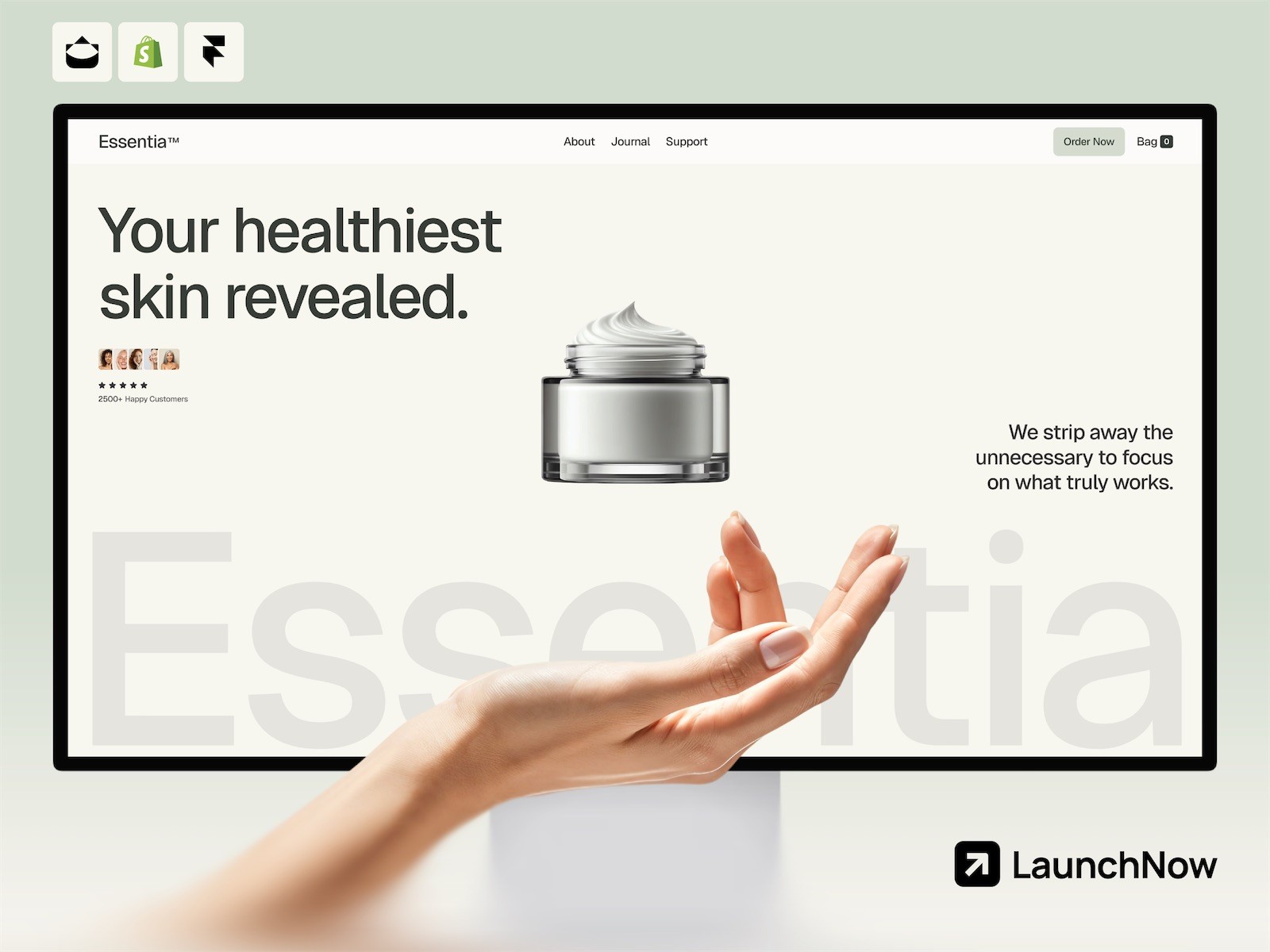
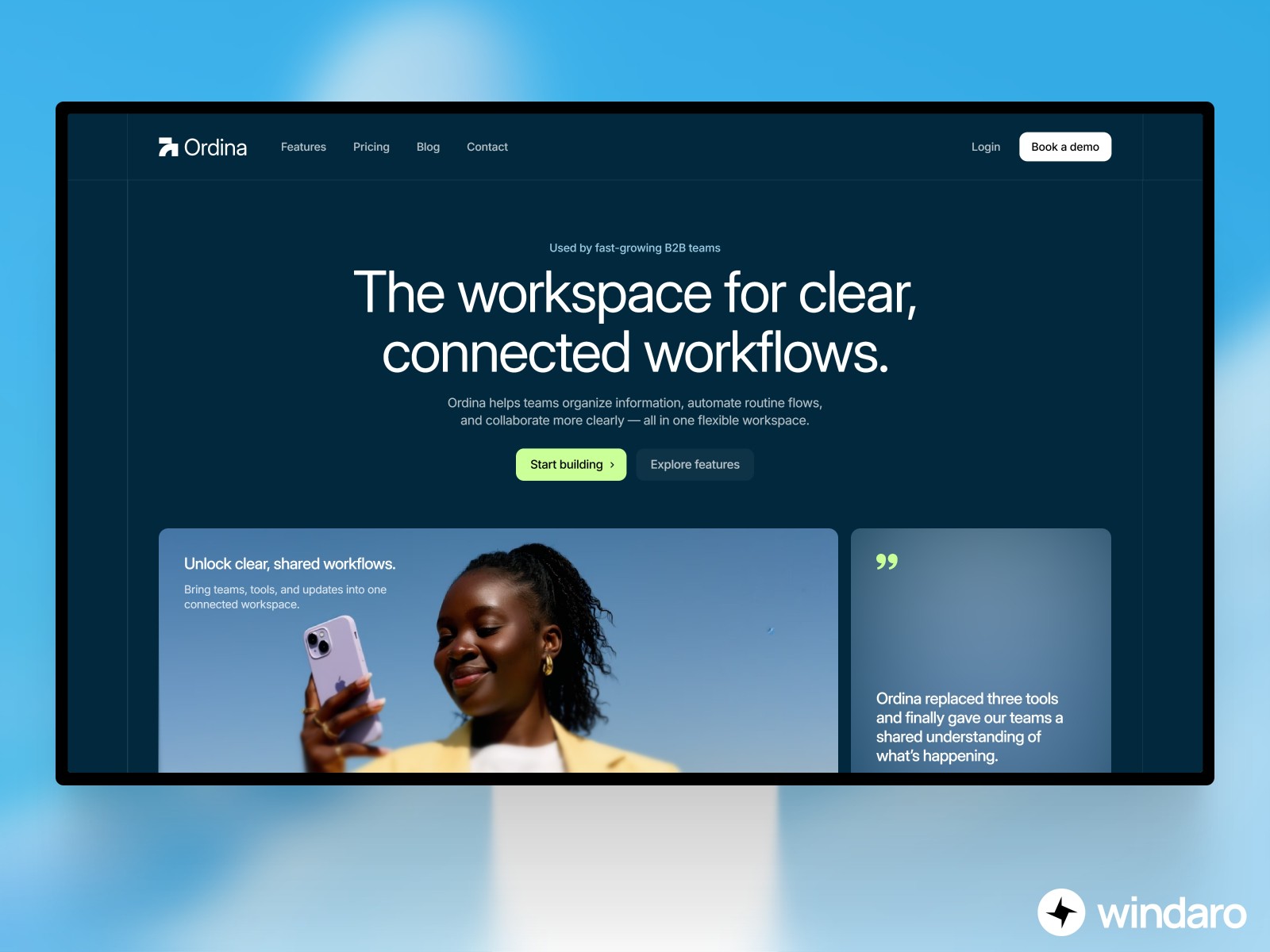
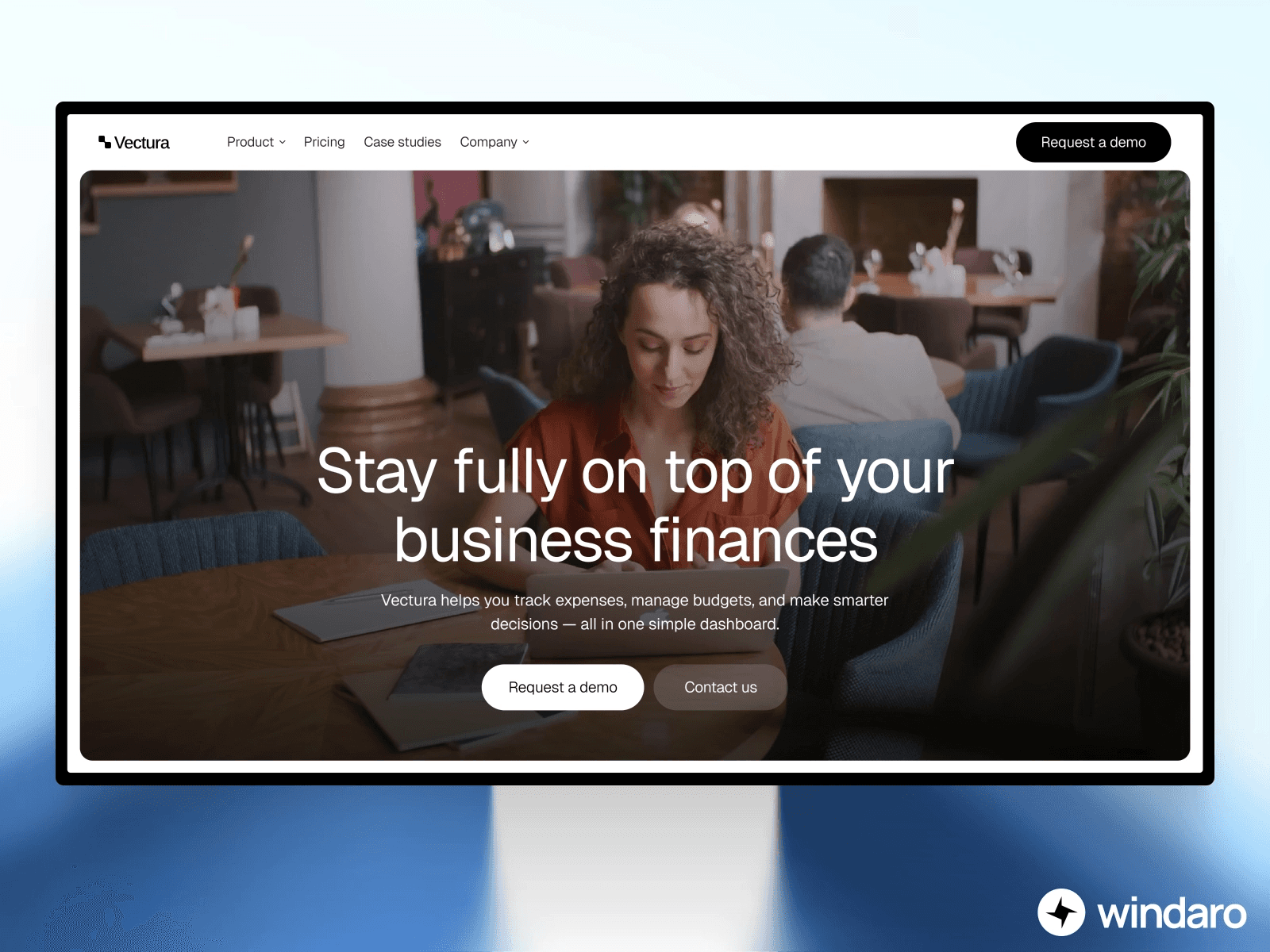
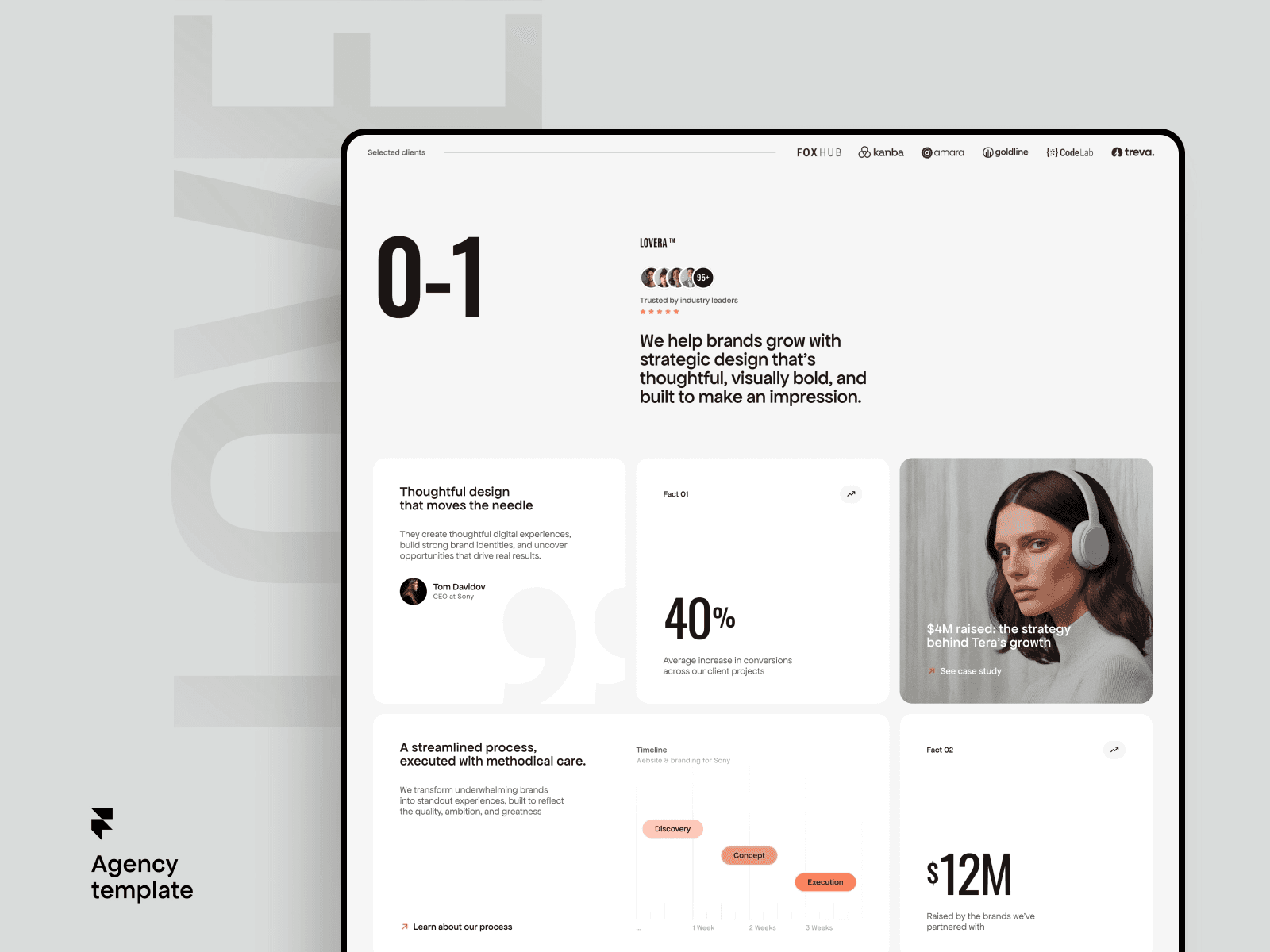
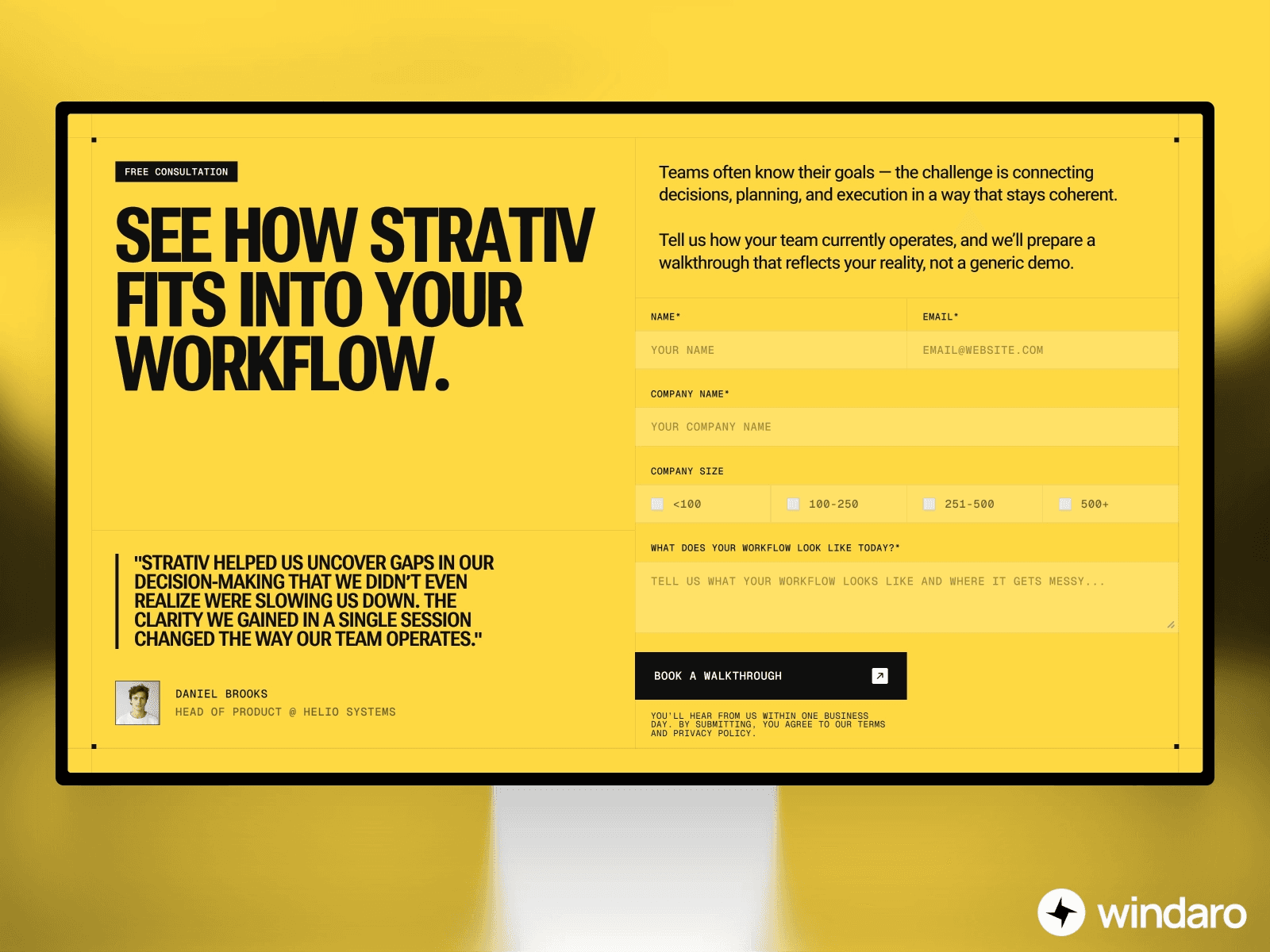
Small businesses with focused product offerings work well with Essentia. The template is built for businesses that need to explain one primary offering in depth, with plenty of space for testimonials and conversion optimization.
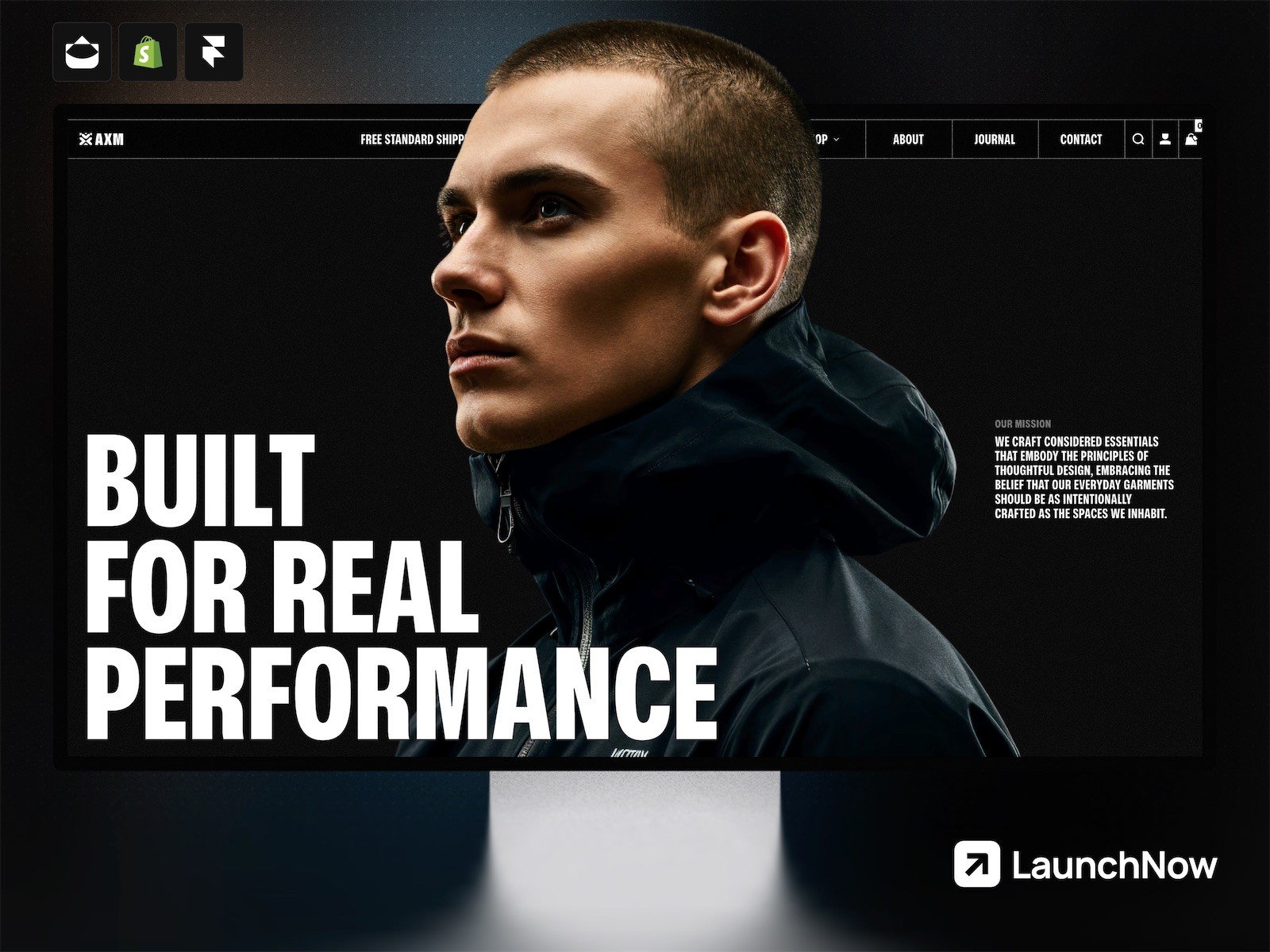
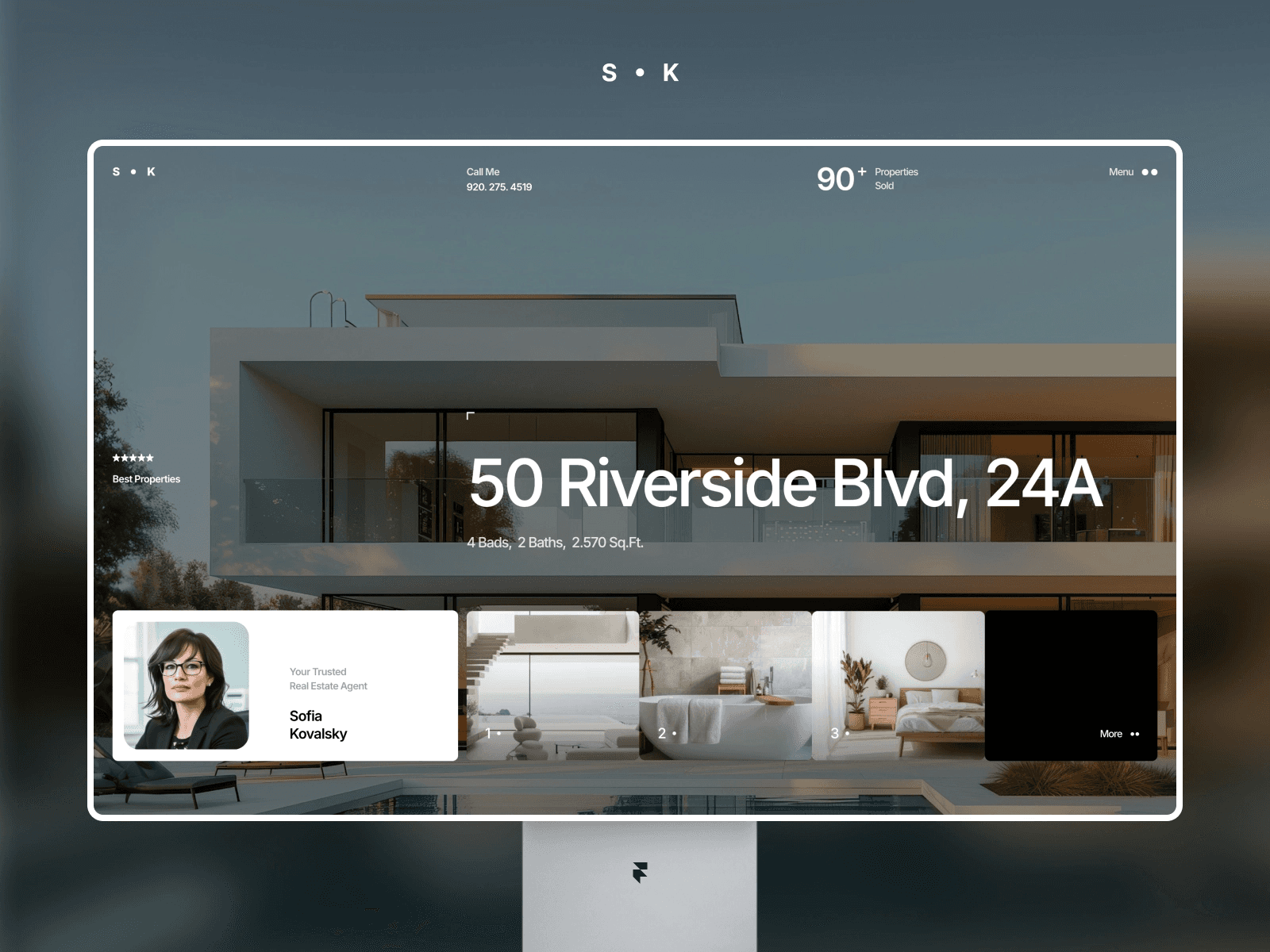
Businesses with multiple products or services can use Axiom, which handles complex product catalogs while maintaining clean, professional presentation.
Pricing Template Based Projects
Templates don't mean you should charge less. If anything, they should let you charge more because you can deliver better results faster.
Focus your pricing on the value you provide: strategy, customization, brand integration, and problem solving. The template is just a tool that lets you work more efficiently.
Many freelancers find they can increase their project rates by 20-30% when using templates because they can deliver superior results in shorter timeframes. Clients value speed and reliability, especially small businesses that need to launch quickly.
Customizing Without Starting Over
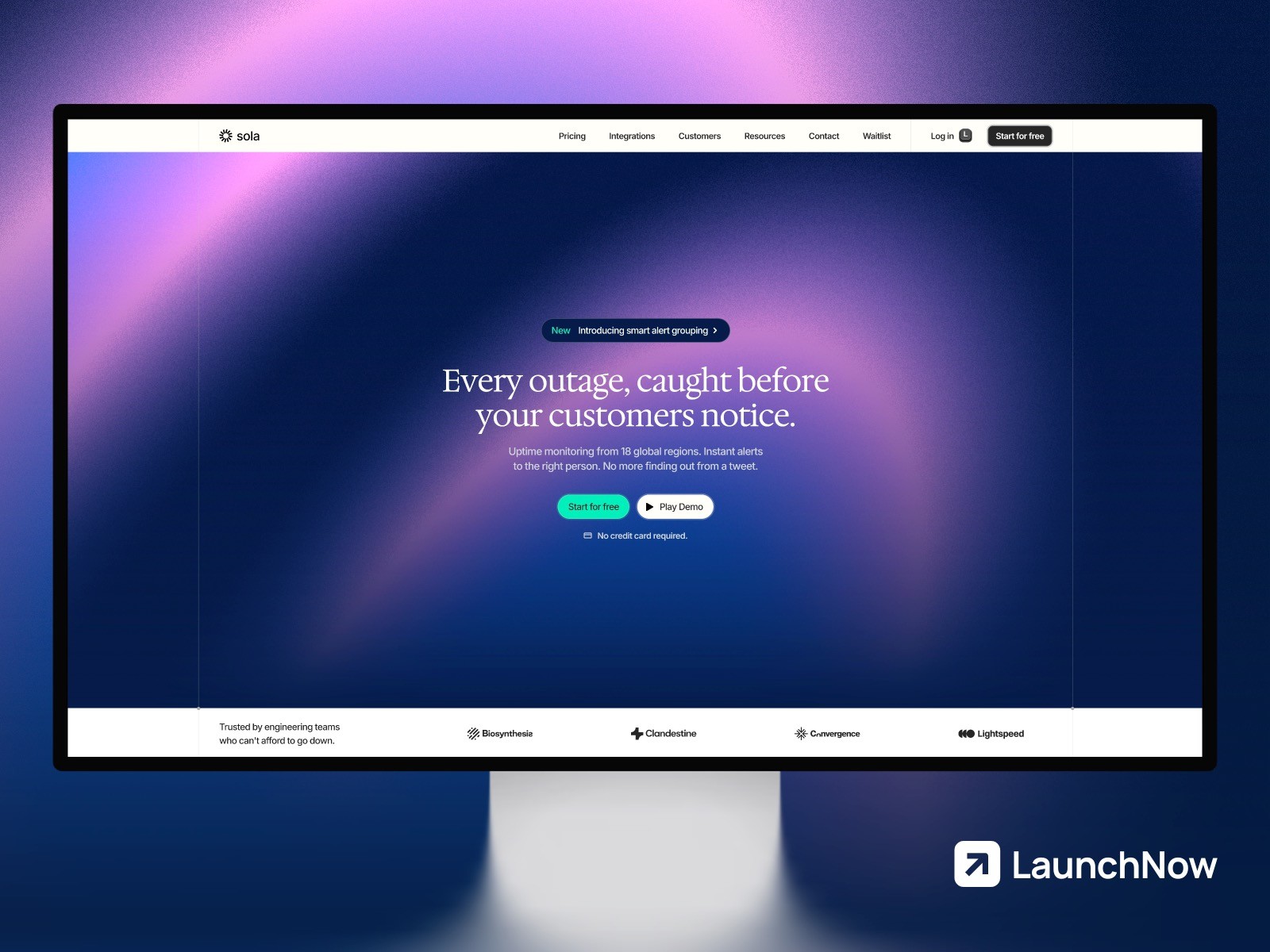
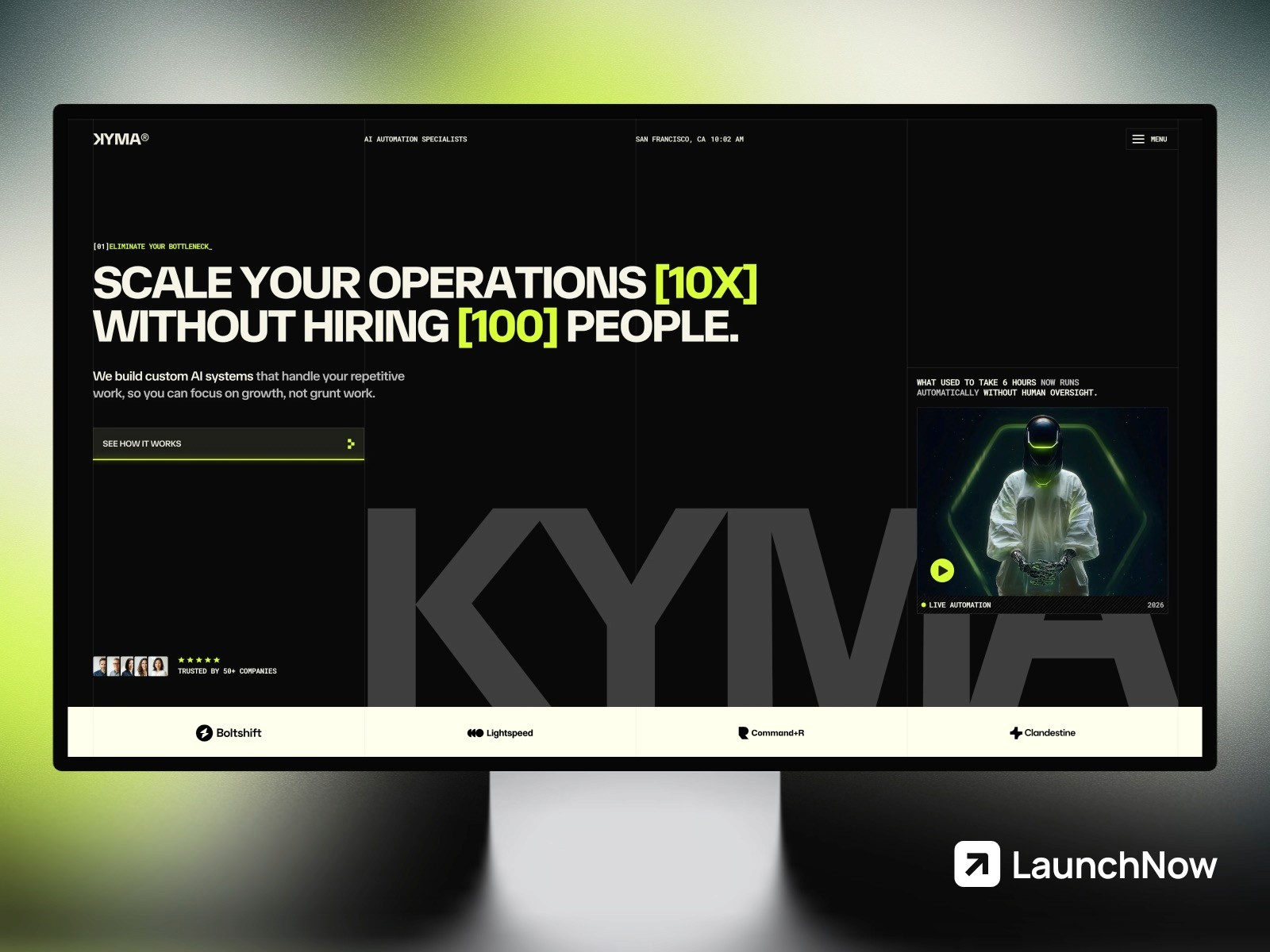
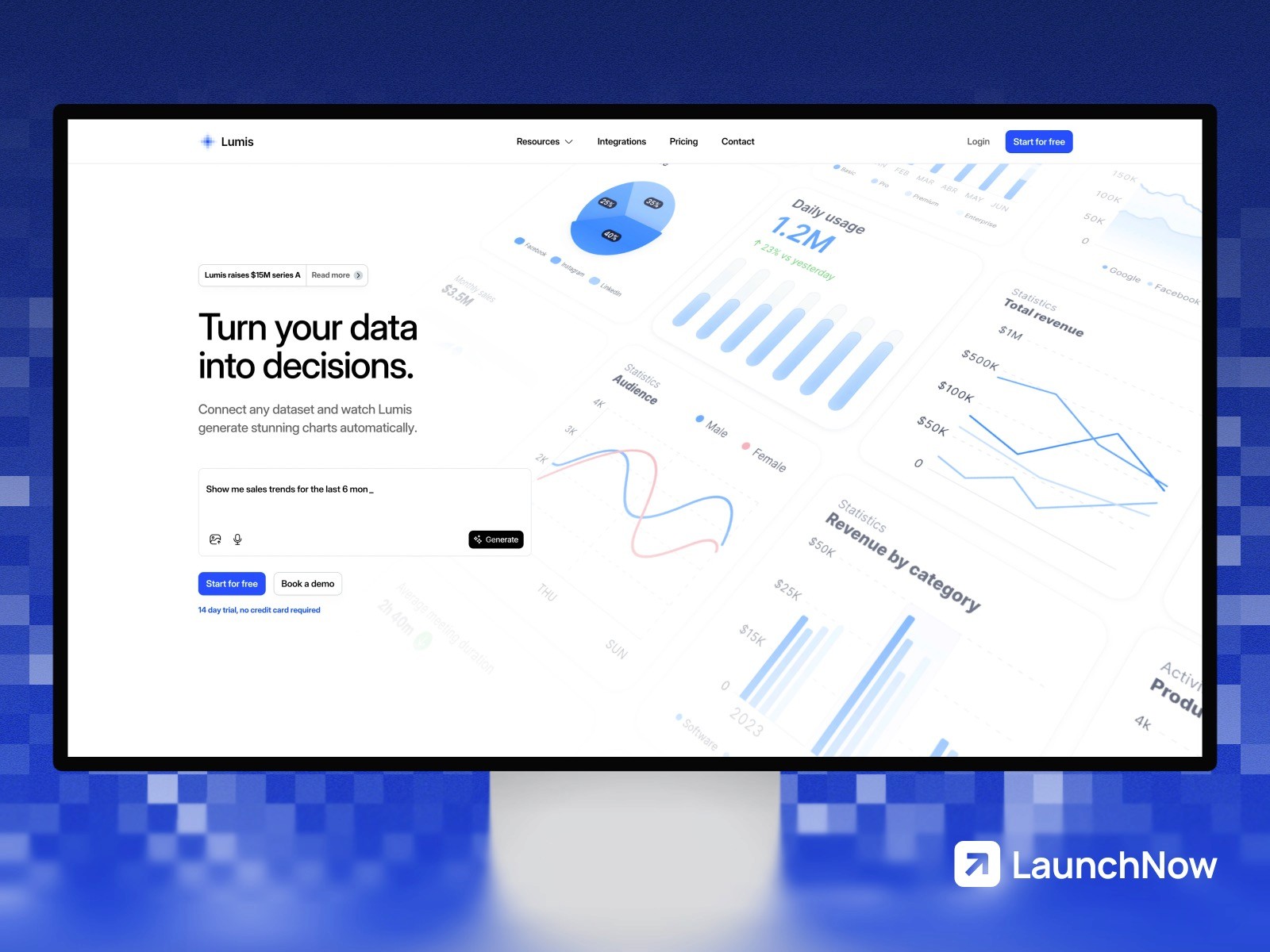
The key to successful template customization is working with the template's strengths rather than fighting against its structure. Templates like those in the LaunchNow collection are built with customization in mind.
Start with brand integration: colors, fonts, and imagery that reflect your client's identity. Then focus on content strategy, making sure every section serves your client's specific business goals. Finally, add any unique features or functionality that sets them apart from competitors.
Most clients need much less customization than you think. The templates already include conversion optimization, mobile responsiveness, and performance optimization that would take significant time to build from scratch.
Managing Client Expectations
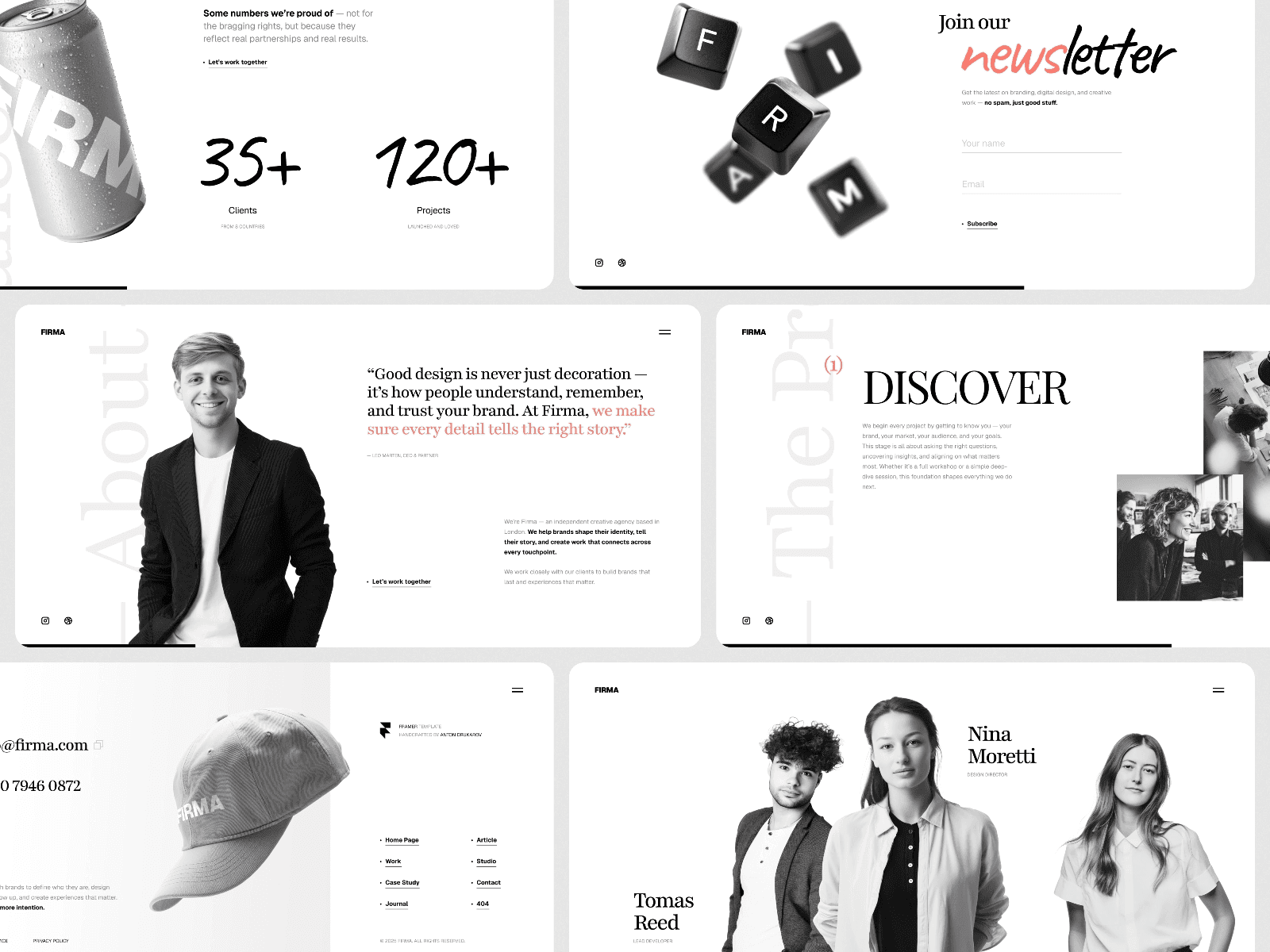
Some clients initially worry that templates mean "cookie cutter" websites. Show them examples of how dramatically the same template can be customized for different brands and industries.
Explain that templates are like architectural blueprints. The foundation and structure are proven and efficient, but every house built from the same blueprint looks completely different based on materials, colors, landscaping, and personal touches.
Focus conversations on business results rather than technical implementation. Clients care about getting more customers, not about whether their navigation was hand coded.
Building Your Template Workflow
Start by getting familiar with a few templates that match your typical client types. Understand how each template is structured and what customization options are available.
Create a systematic process for client onboarding that includes gathering brand assets, understanding business goals, and setting clear expectations about timeline and deliverables.
Develop template specific processes for common customizations like brand integration, content updates, and feature additions. This streamlines your workflow and ensures consistent quality across projects.
When Templates Don't Work
Templates aren't right for every project. For help deciding between free and paid options, read our free vs premium templates comparison. Complex web applications, sites with unique functionality requirements, or clients with very specific design visions might still need custom development.
The key is recognizing which projects benefit from template foundations and which require completely custom approaches. Most small business websites, portfolios, and service company sites work excellently with template starting points.
Growing Your Template Based Practice
As you get comfortable with template workflows, consider offering different service tiers based on customization levels. Basic template customization might be one price point, while extensive modifications command premium rates.
The LaunchNow All Access Pass gives you access to multiple templates, so you can match the right foundation to each client's needs without additional template costs eating into your profits.
Templates also make it easier to develop specializations. If you focus on restaurants, creative professionals, or consultants, you can become expert at customizing specific templates for those industries.
SEO Benefits of Starting With Professional Templates
One overlooked advantage of using professional Framer templates is the built-in search engine optimization structure they provide. Well-designed templates come with proper heading hierarchies, semantic HTML, and clean code that search engines favor when crawling and indexing pages.
When you build from scratch, it is easy to overlook technical SEO fundamentals while focusing on visual design. Templates handle these details automatically, giving your client's site a strong foundation for organic search visibility from day one.
Proper meta tag structures, optimized image handling, and fast loading speeds are already baked into quality templates. This means you can deliver sites that not only look great but also perform well in search results without spending extra hours on technical optimization.
For clients who depend on local search traffic or content marketing, this built-in SEO advantage translates directly into business value that justifies your professional rates.
Building a Portfolio of Template-Based Work
As you accumulate template-based projects, you will build an impressive portfolio that demonstrates your customization expertise and business problem-solving abilities. Each project shows how you transformed a shared starting point into something uniquely tailored to a specific brand and audience.
Document your customization process for each project. Before-and-after comparisons showing the original template alongside the finished client site make compelling portfolio pieces that demonstrate your design thinking and technical skills.
Potential clients viewing your portfolio will see consistent quality across diverse industries and business types. This consistency builds confidence that you can deliver reliable results regardless of the project scope or industry vertical.
Consider creating case studies that highlight specific business outcomes your template-based projects achieved. Metrics like improved conversion rates, faster load times, and increased engagement demonstrate that your template workflow delivers measurable business results, not just attractive designs.
Staying Current With Template Updates and New Releases
The Framer template ecosystem evolves constantly, with designers releasing new templates and updating existing ones to incorporate the latest design trends and platform features. Staying informed about these updates helps you offer clients the most current design options available.
Follow template creators whose work consistently matches your quality standards. When they release updates or new templates, you will be among the first to incorporate fresh design approaches into your client projects.
Template updates often include performance improvements, new component variations, and compatibility fixes that benefit all your existing projects built on those foundations. This ongoing maintenance from template creators saves you significant time that would otherwise go toward keeping custom-built sites current with evolving web standards.
Building relationships with reliable template providers also gives you early access to new designs and priority support when you encounter customization challenges. These partnerships become valuable business assets that strengthen your service offerings and help you deliver better outcomes for every client engagement.
Pricing Strategy for Template-Based Services
One of the biggest advantages of using professional Framer templates is the ability to offer competitive pricing while maintaining healthy profit margins. Templates reduce your production costs significantly, allowing you to price your services attractively for clients while still earning well for your expertise. Consider creating tiered service packages that reflect different levels of customization, from basic template setup to fully custom modifications. This pricing transparency helps clients understand exactly what they are getting and builds trust in your freelance business. The time you save with templates can be reinvested into client communication, project management, and growing your portfolio of completed work.
The Bottom Line
Templates aren't about being lazy or delivering generic work. They're about being smart with your time and focusing on what clients actually value: solving their problems and achieving their goals.
Your expertise as a freelancer isn't in building navigation systems or contact forms. It's in understanding businesses, solving communication problems, and creating websites that work for your clients' specific situations.
Templates handle the foundation so you can focus on what makes you valuable: strategy, creativity, and results.
Ready to work more efficiently without sacrificing quality? Explore professionally designed templates that provide solid foundations for outstanding client work.