Why Framer Wins the Website Builder Battle Against Duda in 2026
The Framer vs Duda debate comes up often when businesses and designers are choosing a website builder in 2026. Having worked extensively with both platforms, the answer is clear for the vast majority of users: Framer delivers a superior experience in design quality, performance, and creative freedom. While Duda has carved out a niche for agencies managing high volumes of templated client sites, Framer is the platform that empowers you to build websites that actually stand out. Here’s why.
Design Freedom That Duda Simply Cannot Match
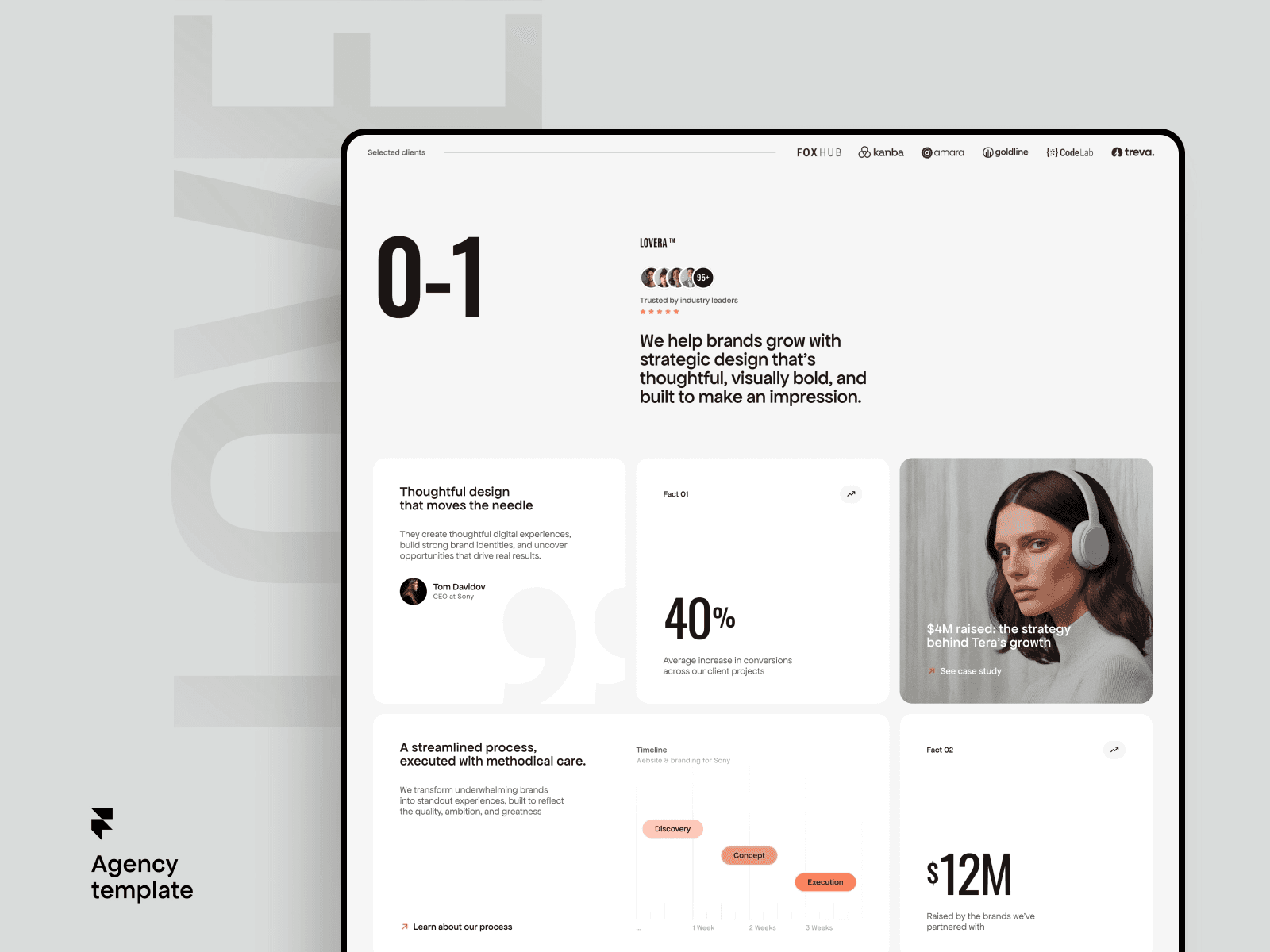
This is where Framer pulls ahead decisively. Framer gives you complete creative control over every pixel of your website. The visual editor is intuitive yet powerful, letting you build complex layouts, layer animations, and craft interactions that feel custom-built — because they are. There are no rigid grid constraints or locked template structures holding you back.
Duda’s editor, by contrast, is built for speed over sophistication. It uses a drag-and-drop system that works fine for basic business sites, but the moment you want something unique — a custom scroll animation, a dynamic hover interaction, a layout that breaks convention — you’ll hit walls. Duda’s templates are designed to be replicated quickly across dozens of client sites, which means they prioritize uniformity over originality.
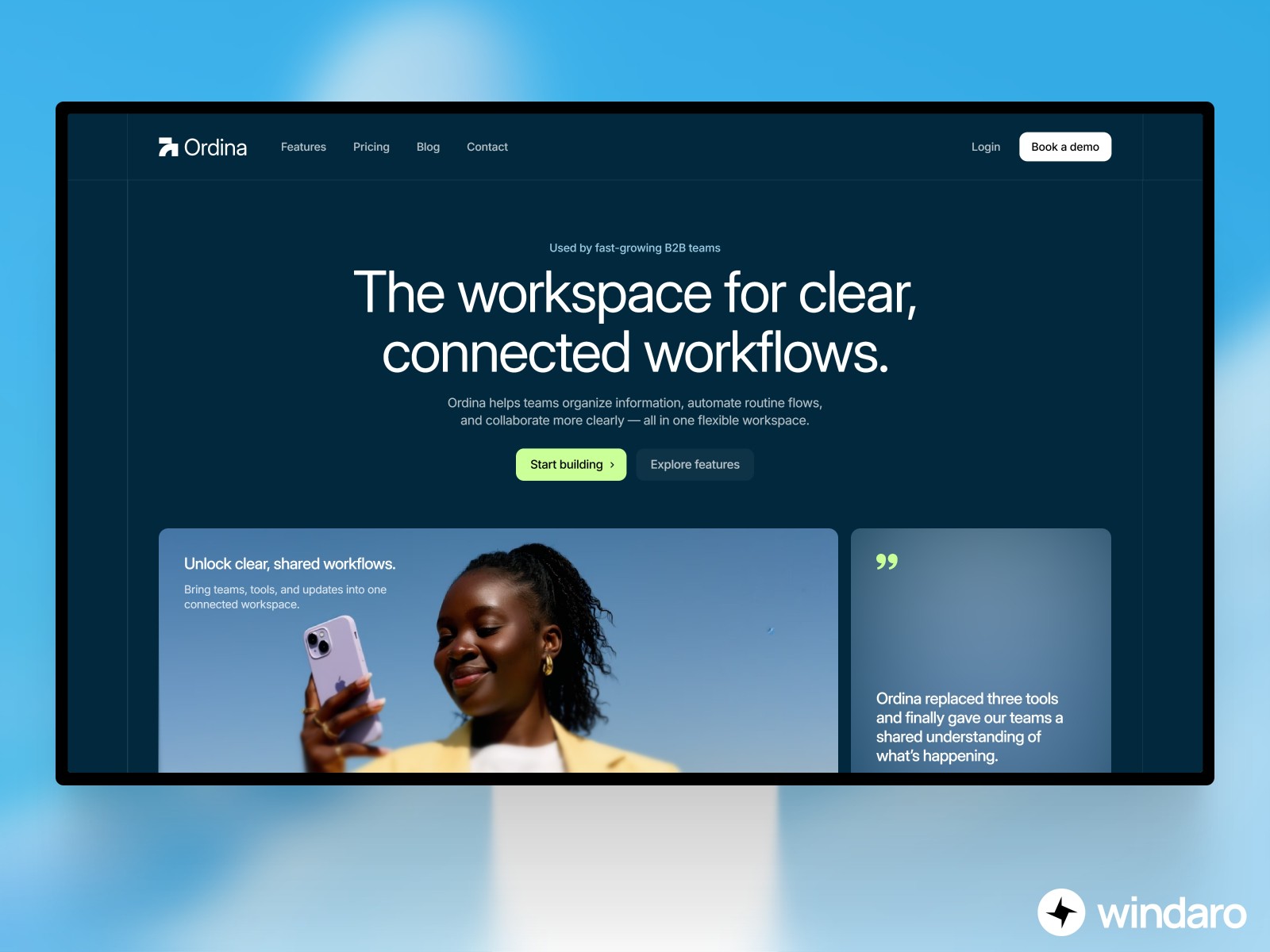
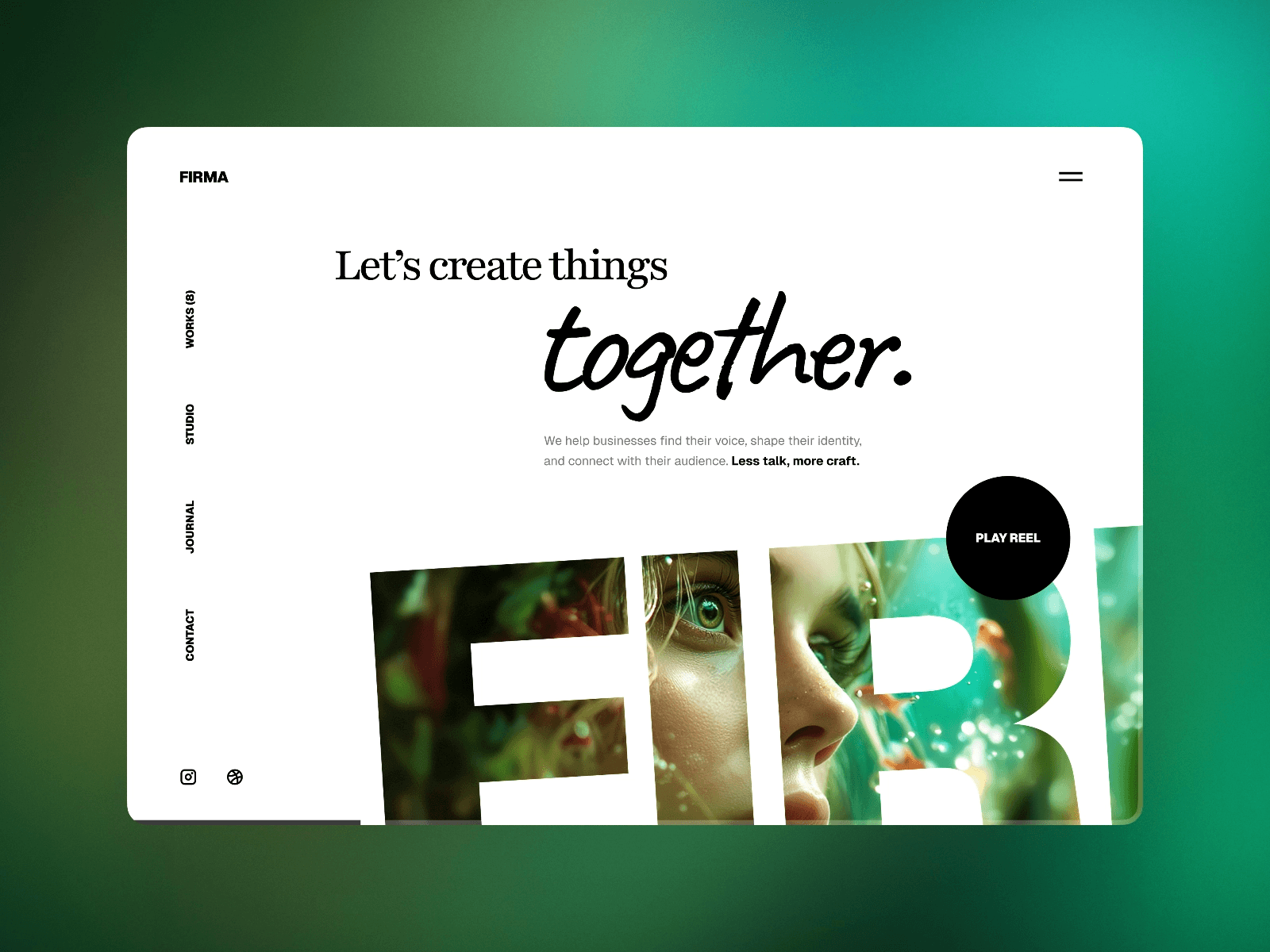
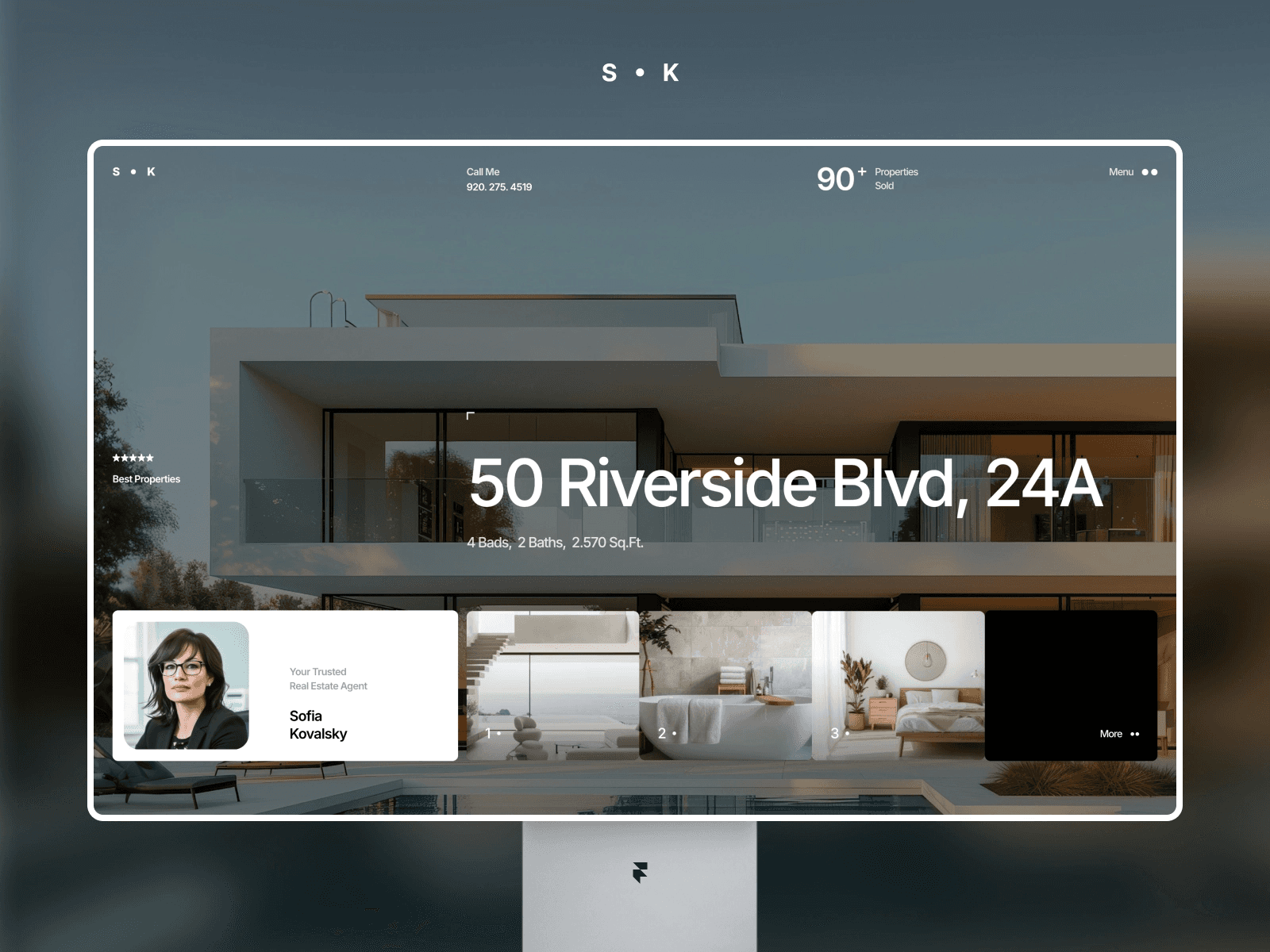
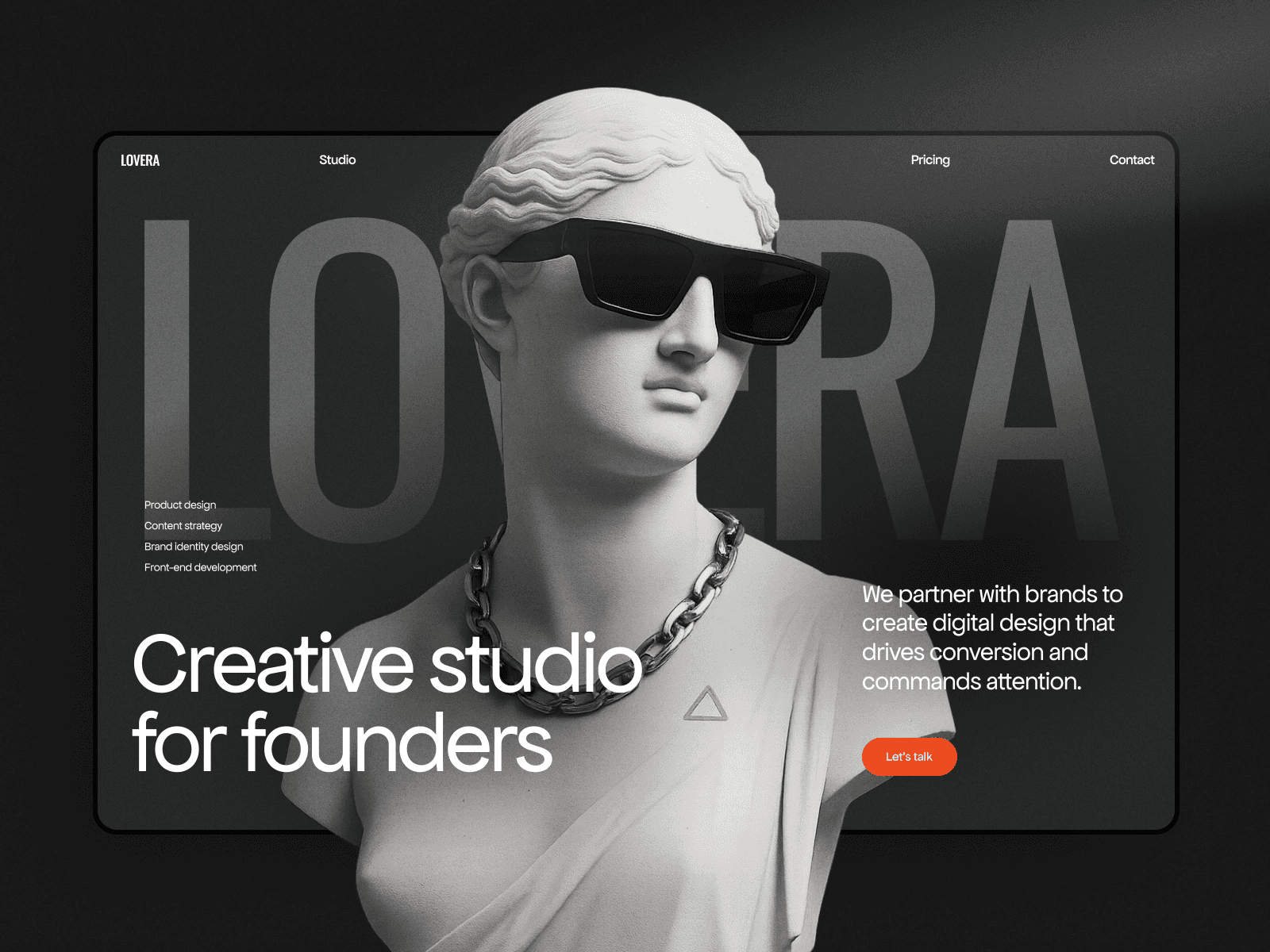
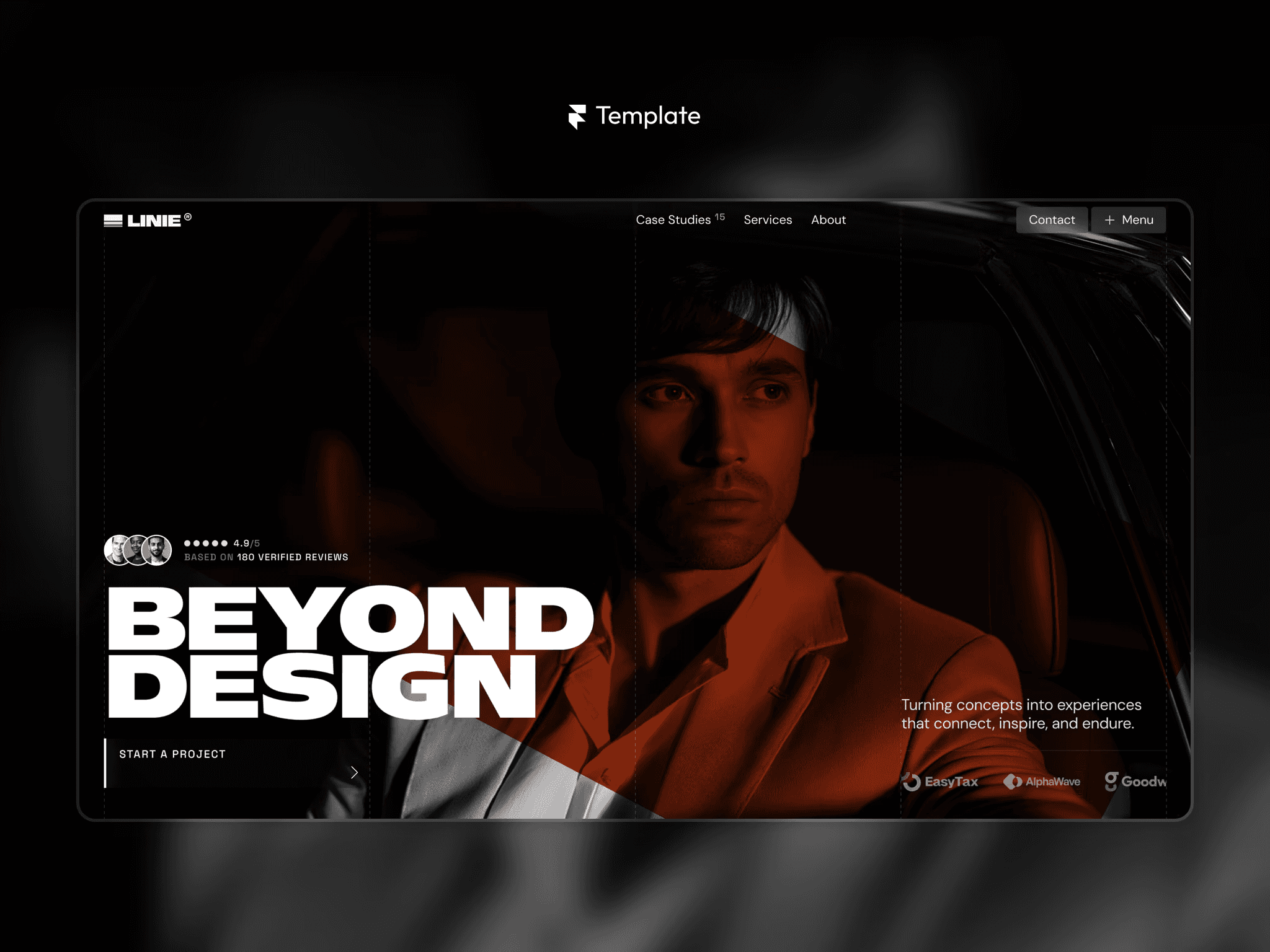
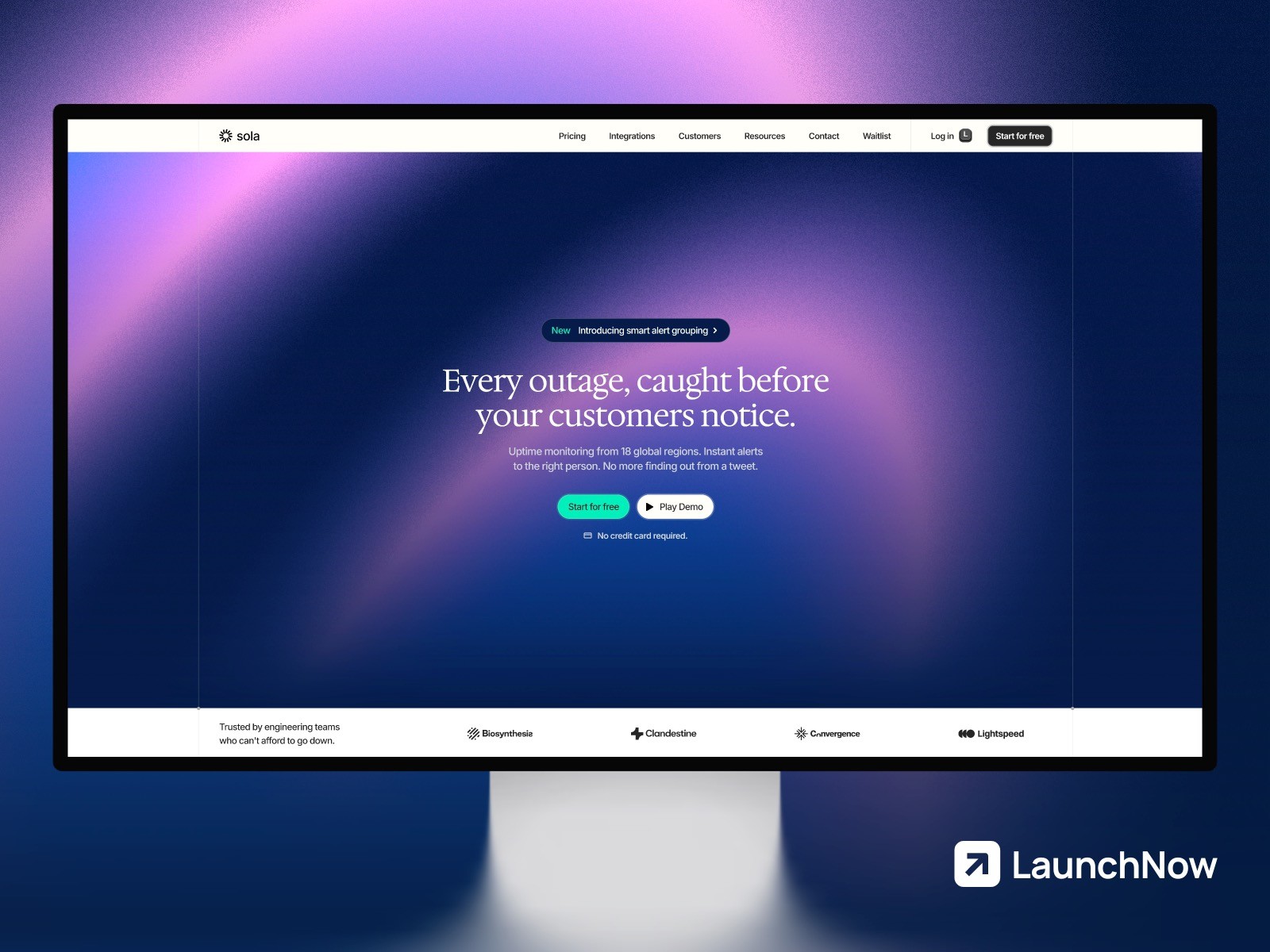
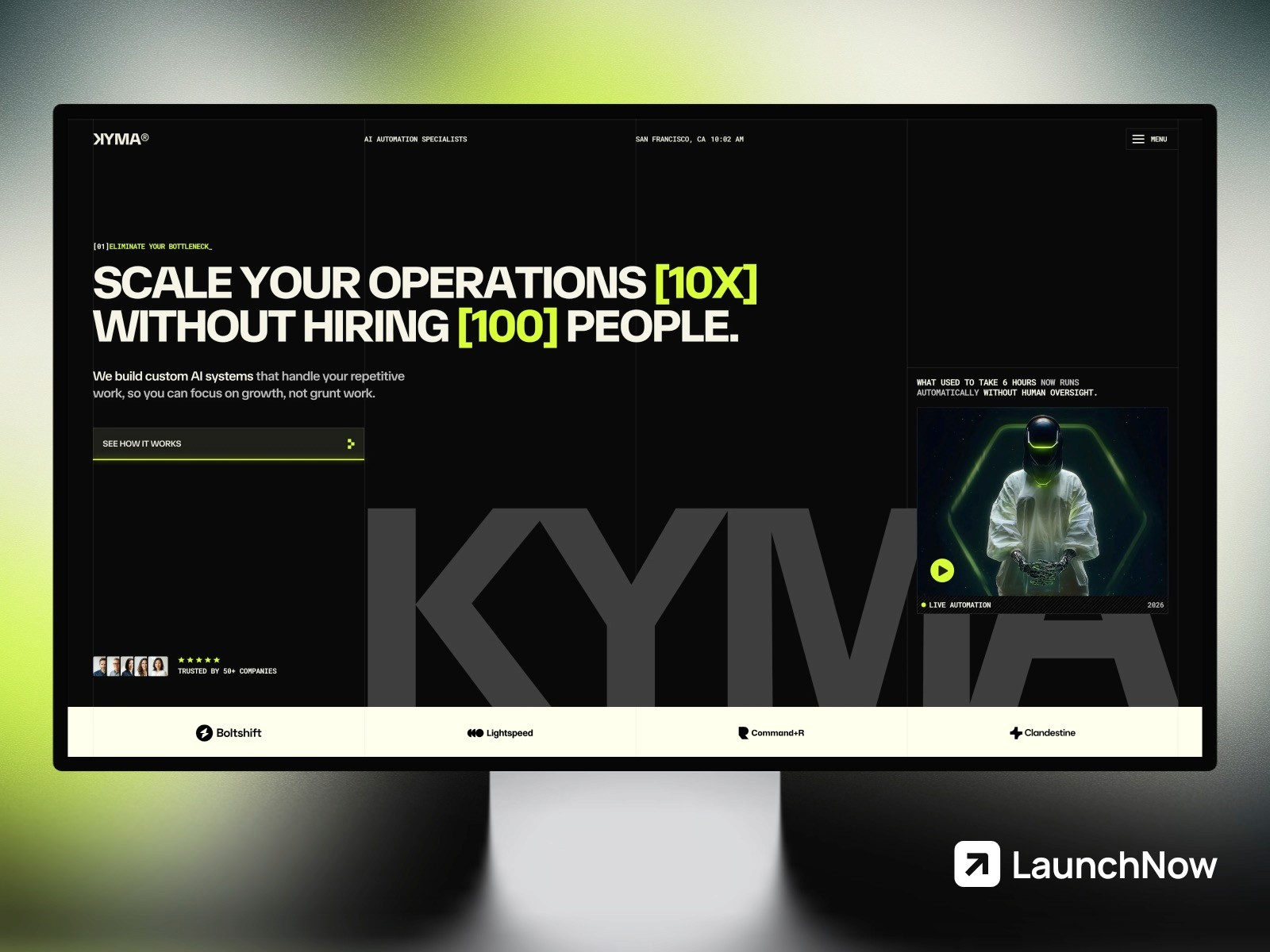
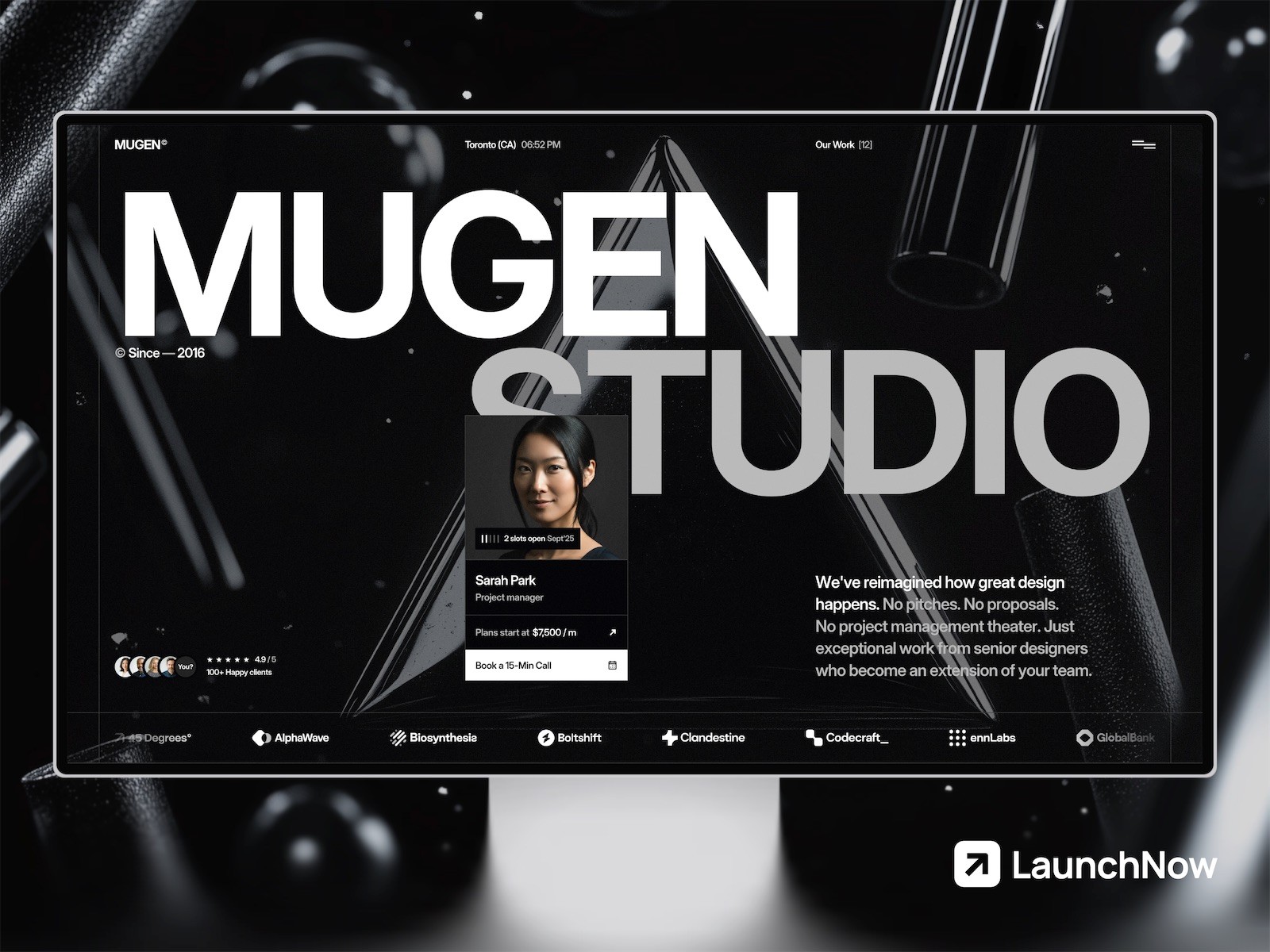
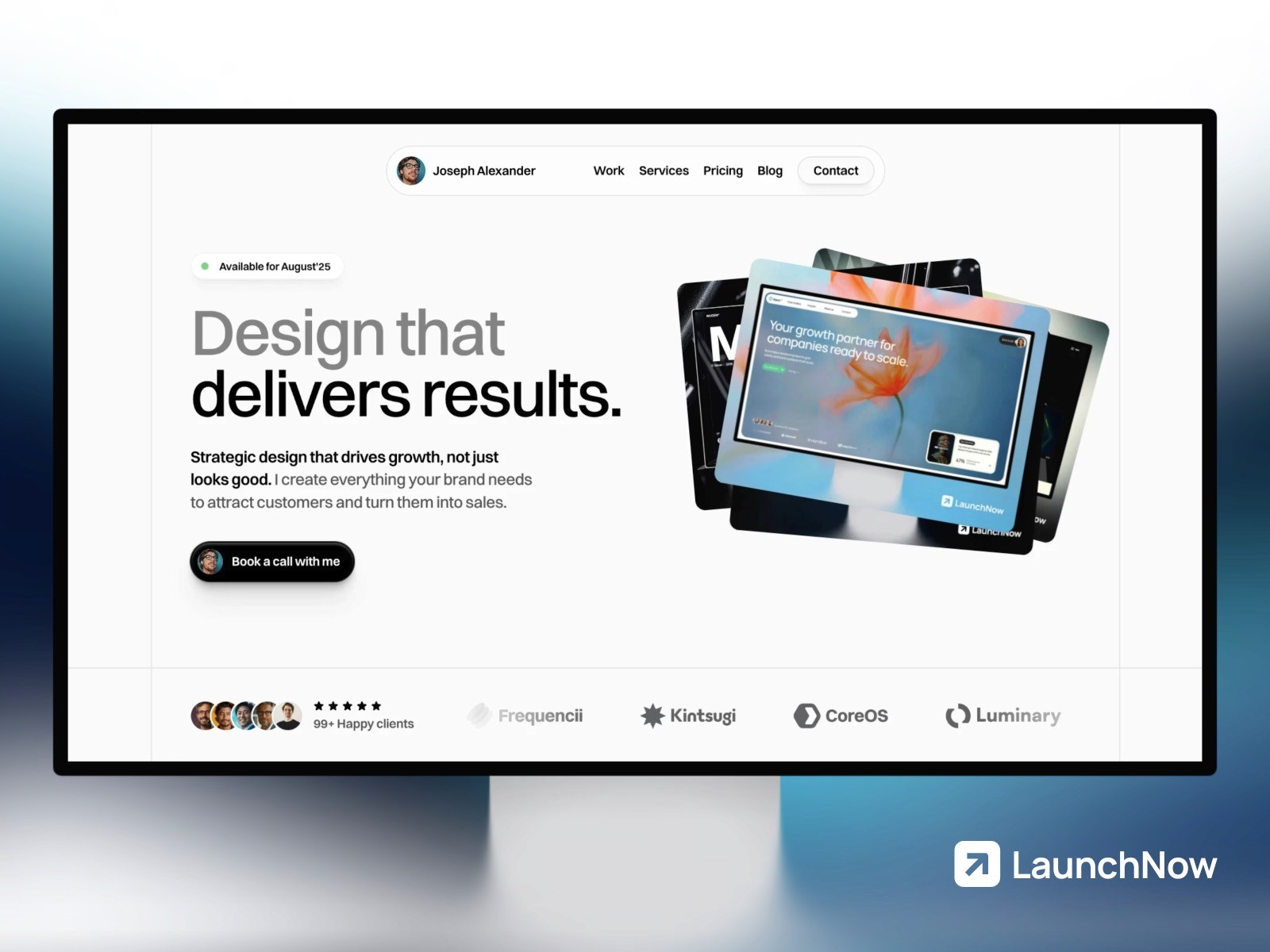
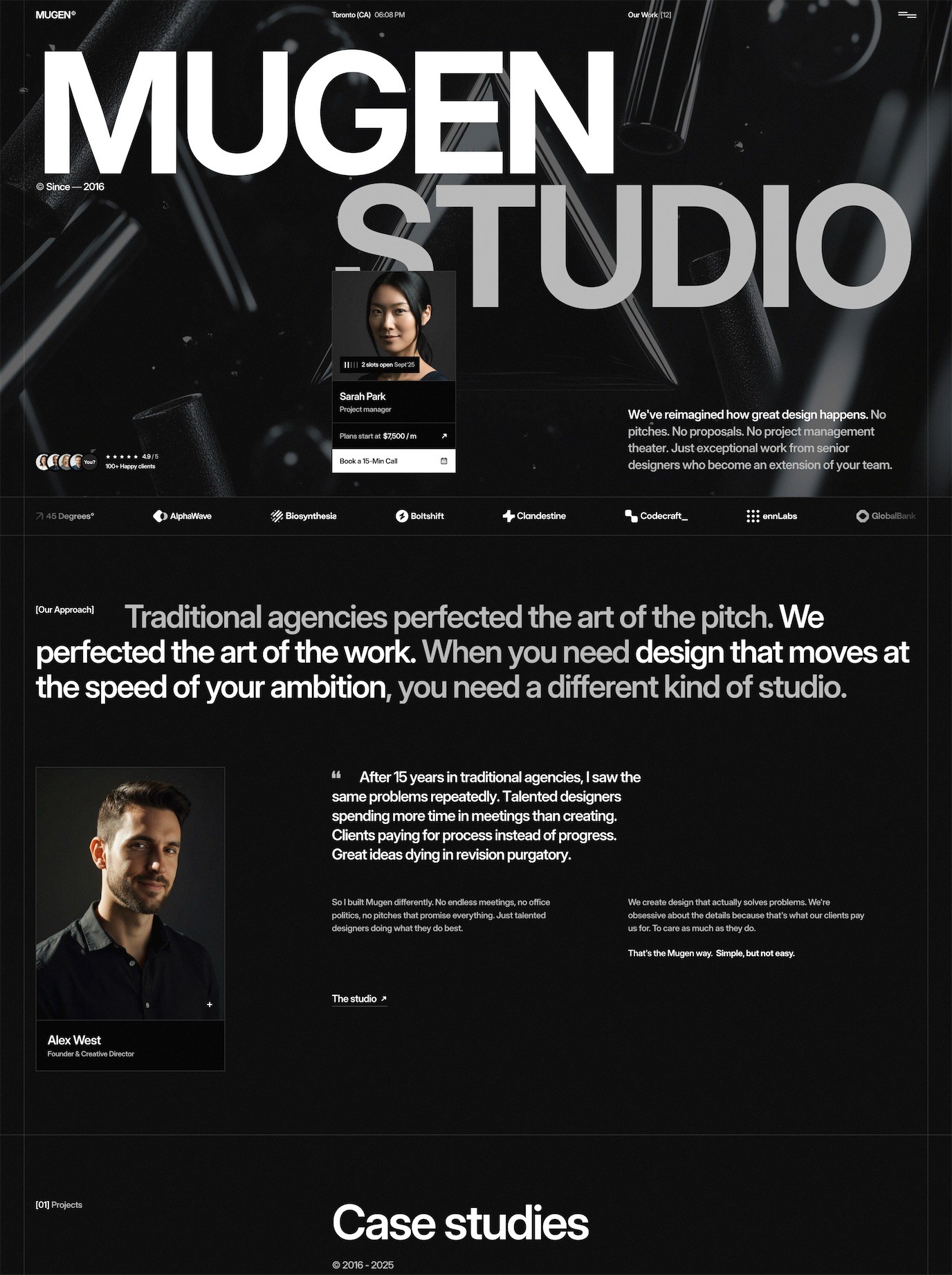
If your website is your competitive advantage (and in 2026, it absolutely should be), Framer’s design capabilities are in a different league. Pair it with a professionally designed starting point like the LaunchNow template collection — options like Mugen for creative studios or Launchfolio for portfolios — and you can launch a stunning, fully custom site faster than you’d expect.
Framer’s Figma Integration Changes Everything
If you design in Figma (and most serious designers do in 2026), Framer’s native Figma import is a game-changer. You can take your Figma designs and bring them directly into Framer with full fidelity — preserving layers, components, and structure. This means your design process is seamless from concept to live website.
Duda has no meaningful Figma integration. If you design in Figma and build in Duda, you’re manually recreating your designs inside Duda’s constrained editor. That’s wasted time and inevitable compromises on design quality. For any team that values their design workflow, this alone makes Framer the clear winner.
Animations and Interactivity: No Contest
Modern websites need to feel alive. Scroll-triggered animations, micro-interactions, page transitions, and dynamic hover states are what separate a forgettable website from one that leaves an impression. Framer’s animation engine is built for exactly this — you can create sophisticated, smooth animations without writing a single line of code.
Duda offers basic animations, but they feel dated compared to what Framer delivers. The difference is immediately visible: Framer sites feel polished and contemporary, while Duda sites, even well-designed ones, tend to feel static. In a digital landscape where user attention spans are shrinking, that interactive quality matters enormously for engagement and conversions.
Performance: Framer Sites Are Fast
There’s a misconception that Framer sites sacrifice performance for design quality. That’s simply not true. Framer generates clean, optimized code, and with proper image optimization and thoughtful use of animations, Framer sites consistently score well on Core Web Vitals. For a deep dive into getting the best performance from your Framer site, check out our guide on website performance optimization tips for Framer sites.
Duda promotes its AWS infrastructure and 99.5% uptime, which is fine for reliability, but hosting infrastructure isn’t what makes a website fast — efficient code, optimized assets, and smart design decisions do. And Framer gives you full control over all of these. Framer also uses a global CDN and generates static pages that load blazingly fast. The performance gap Duda claims simply doesn’t exist when you build properly on Framer.
SEO: Framer Gives You Everything You Need
Both platforms support the SEO essentials — custom meta tags, clean URLs, sitemap generation, and page title optimization. But Framer goes further by giving you fine-grained control over your site structure, heading hierarchy, and semantic HTML output. This matters because technical SEO in 2026 rewards sites with clean, well-structured code and fast load times — exactly what Framer delivers.
Duda markets itself as SEO-friendly, but much of that advantage is tied to their managed hosting rather than the platform’s actual SEO tools. With Framer, you’re in control of every SEO decision, and combined with clean code output, your sites have everything they need to rank. For a comprehensive walkthrough, our complete Framer SEO guide covers every optimization strategy you need.
Pricing That Makes Sense
Framer’s pricing is straightforward and accessible. Individual creators and small businesses can get started at a fraction of what Duda charges. Even at higher tiers, Framer delivers significantly more value per dollar because you’re getting a world-class design tool, not just a website host.
Duda’s pricing starts at $19/month for their basic plan, jumps to $29/month for teams, and reaches $52/month for agencies — and that’s with annual billing. For what you get, Duda is overpriced. You’re paying premium prices for a platform that restricts your design freedom and locks you into their template system. With Framer, you invest less money and get a far more capable platform.
Templates: Quality Over Quantity
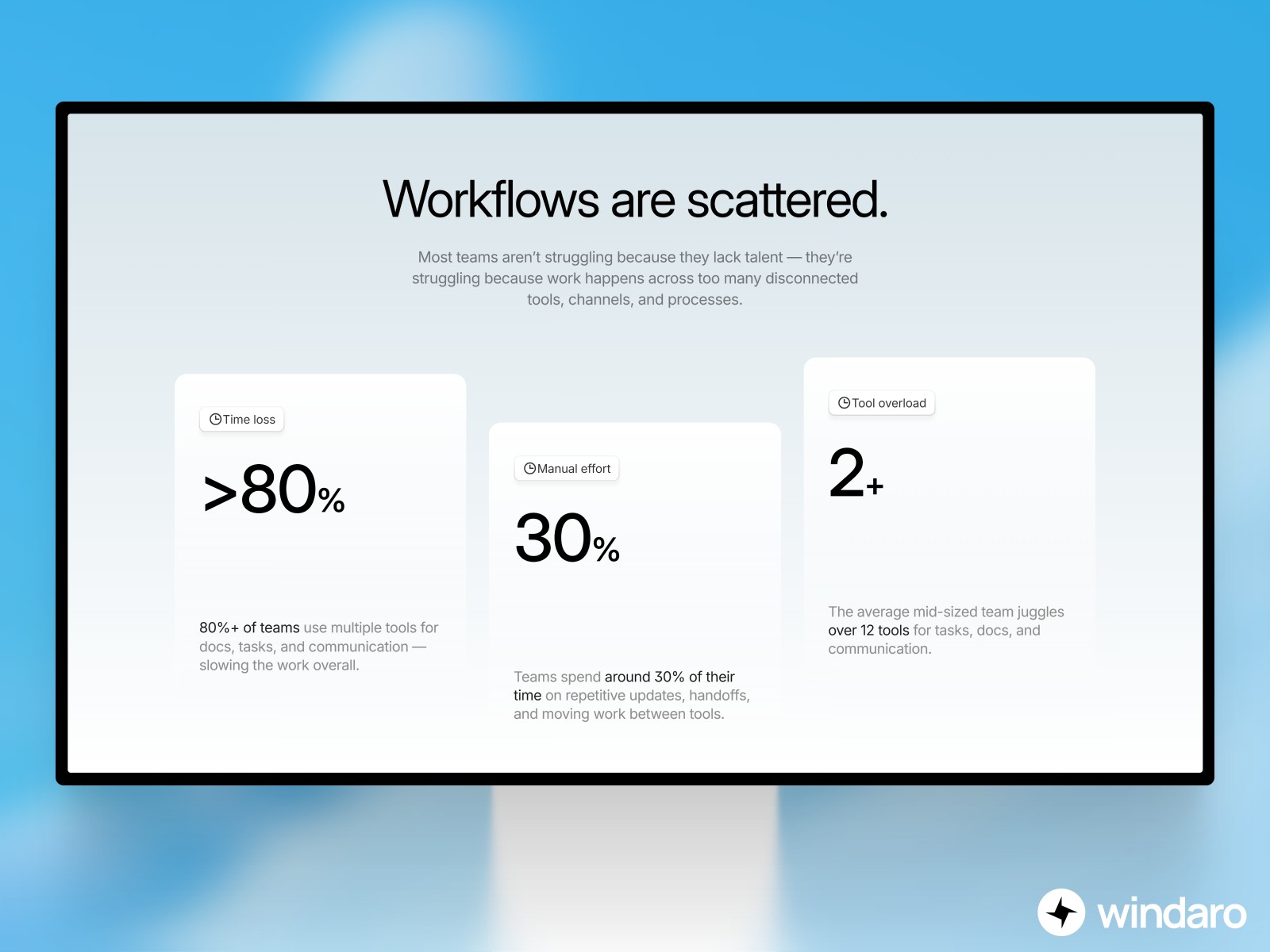
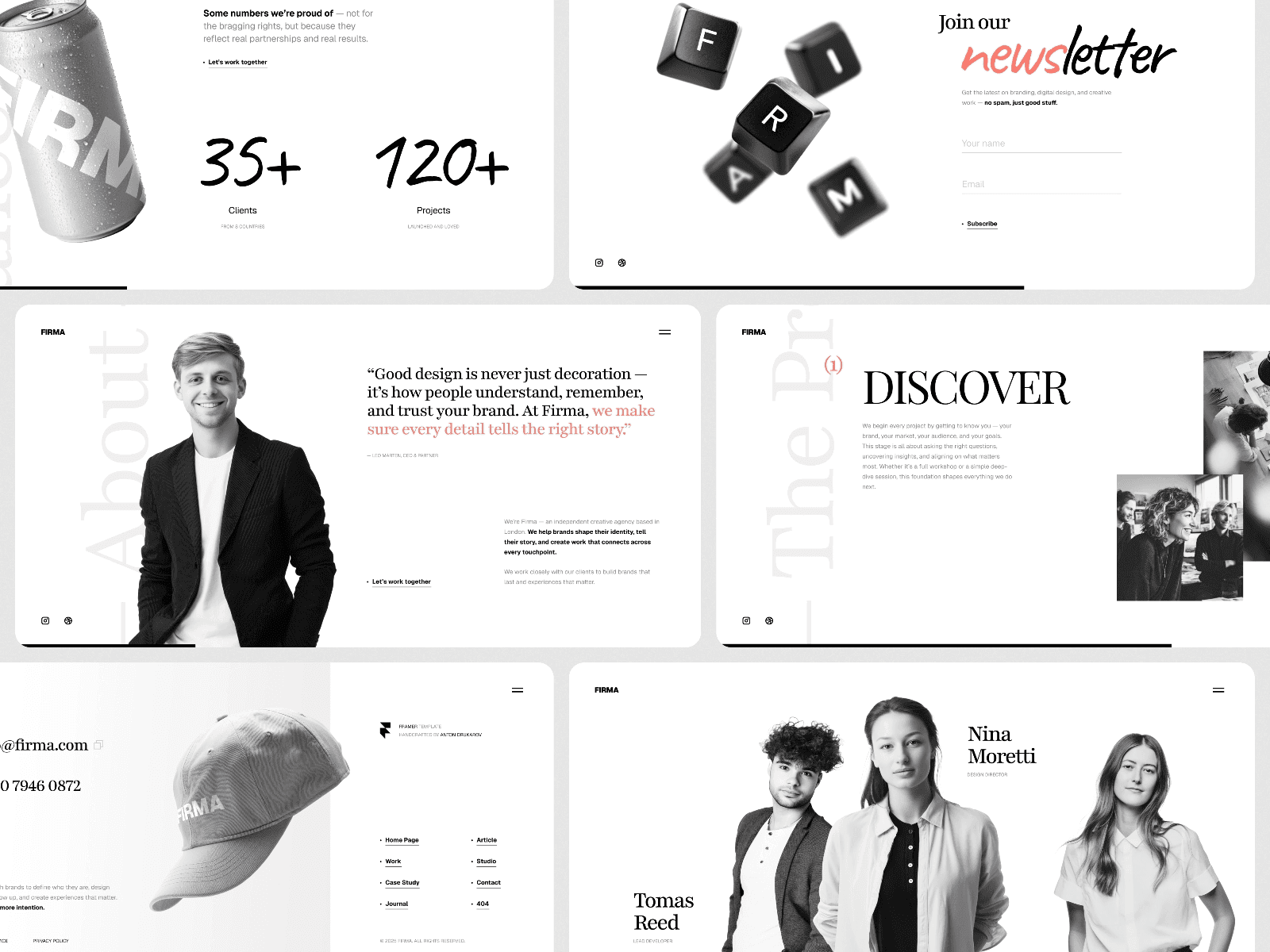
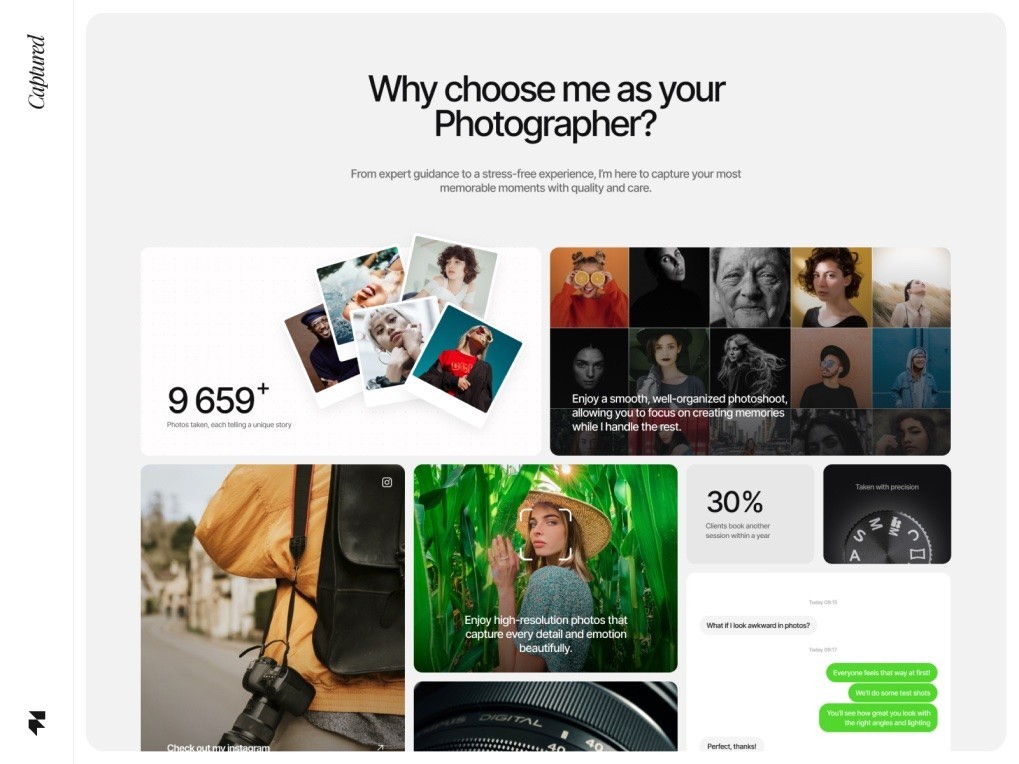
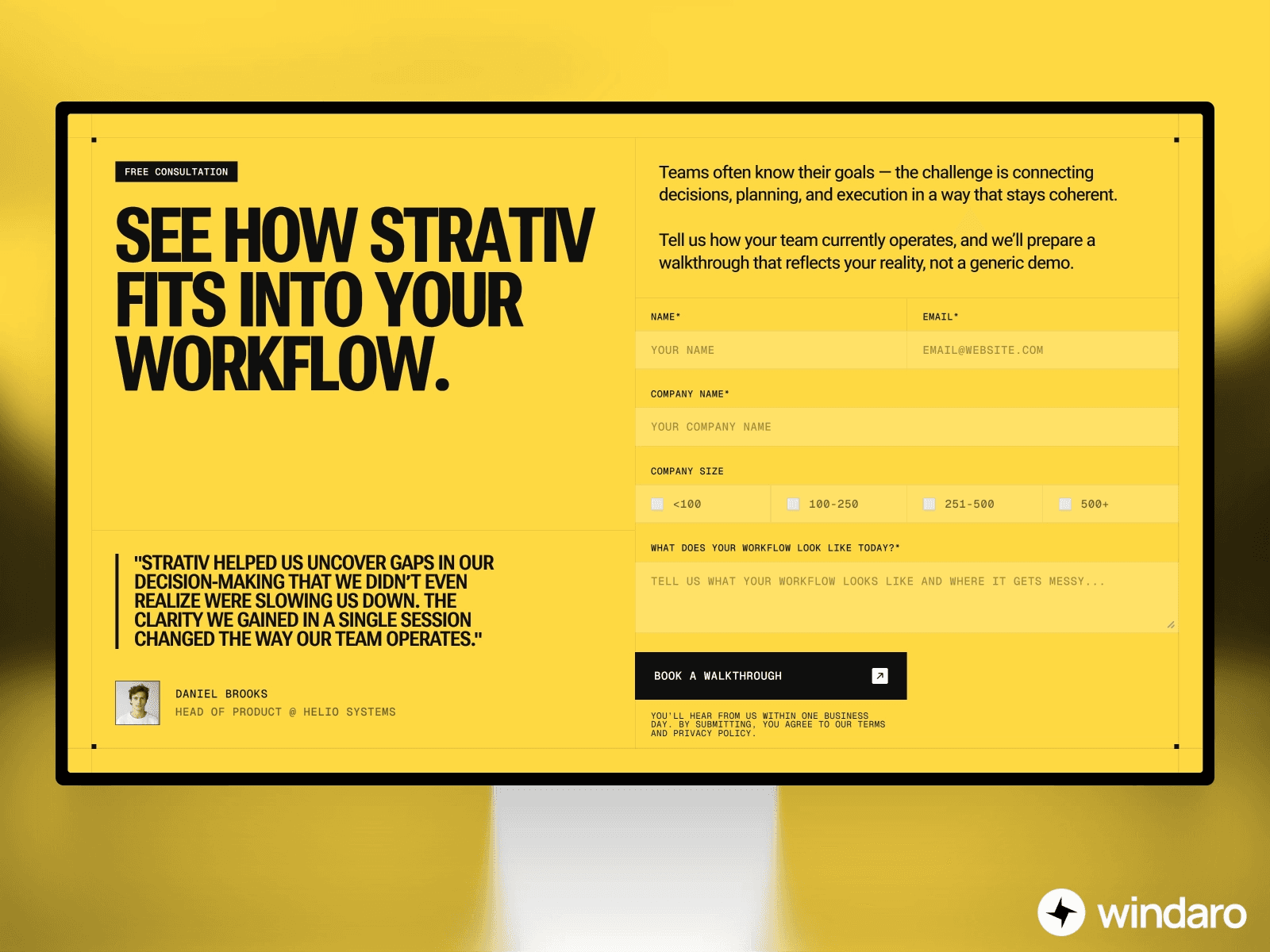
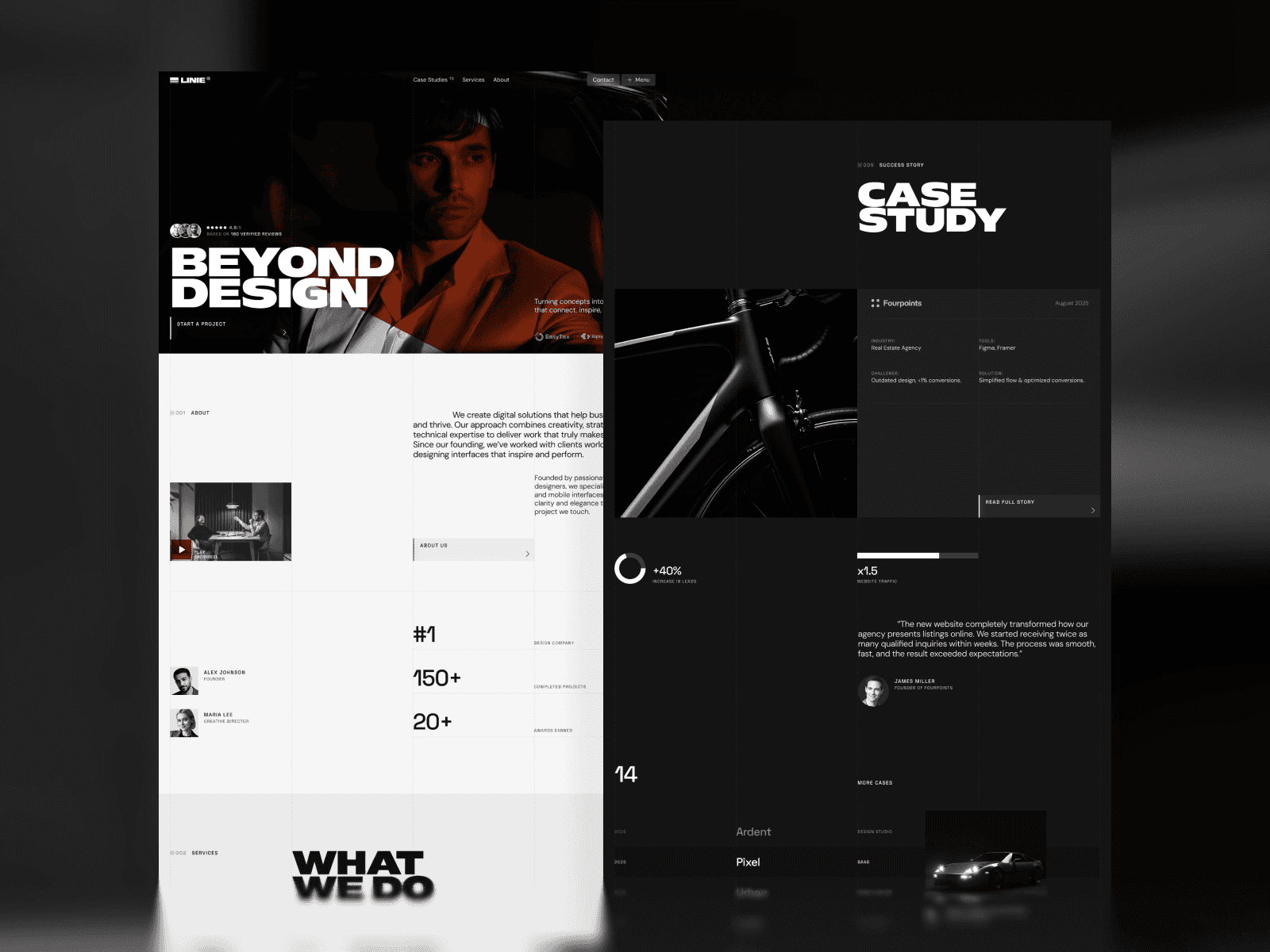
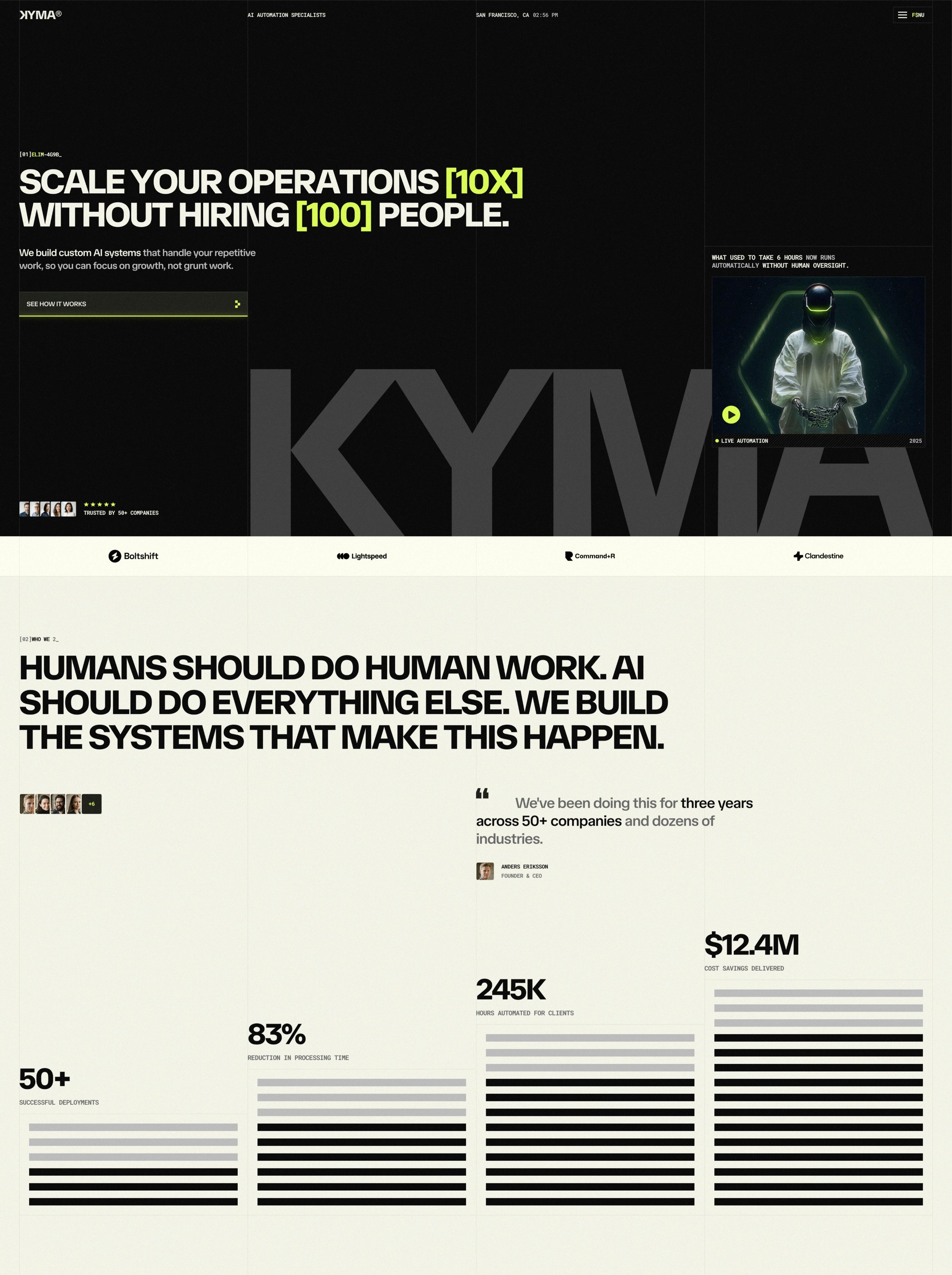
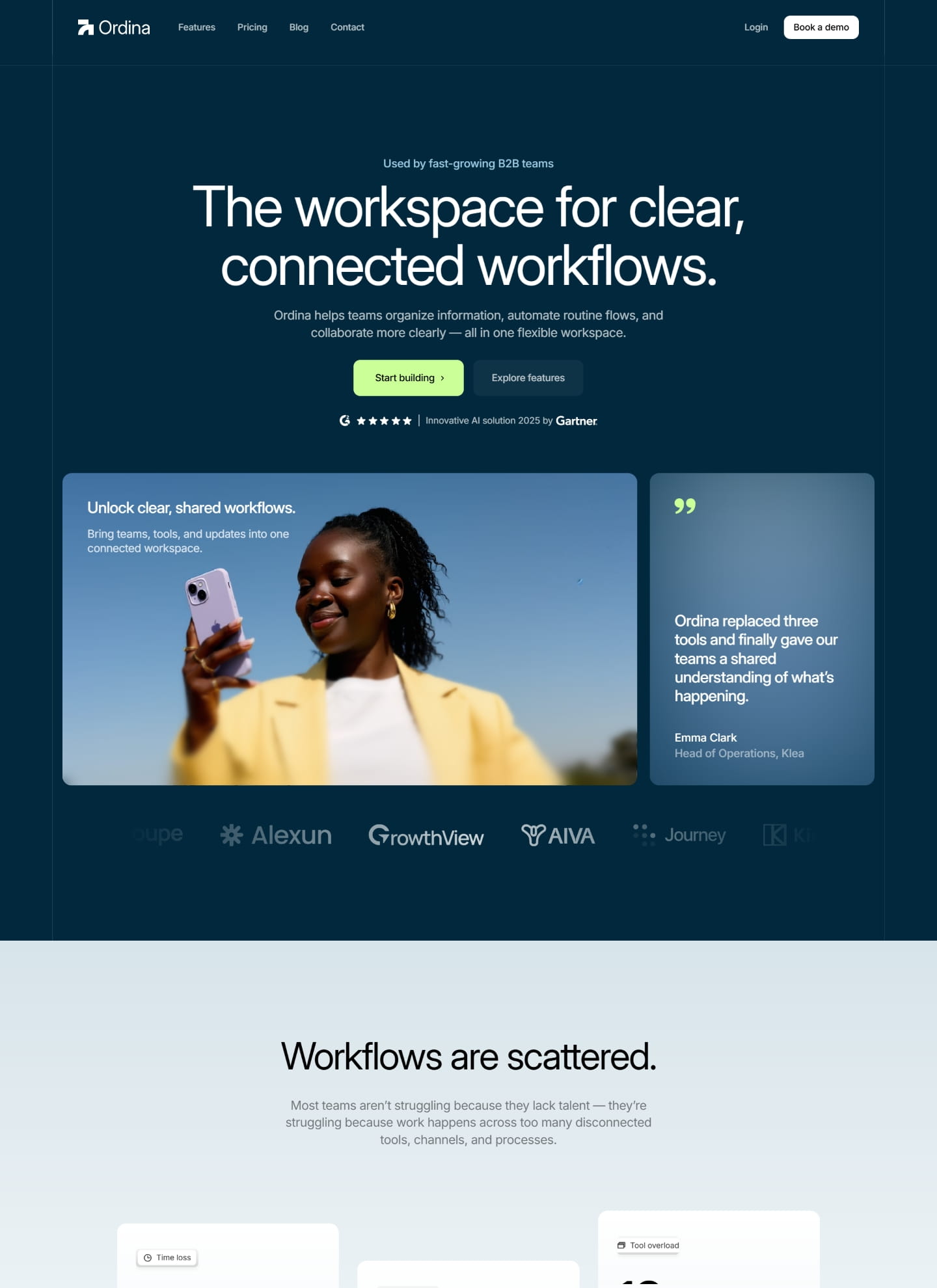
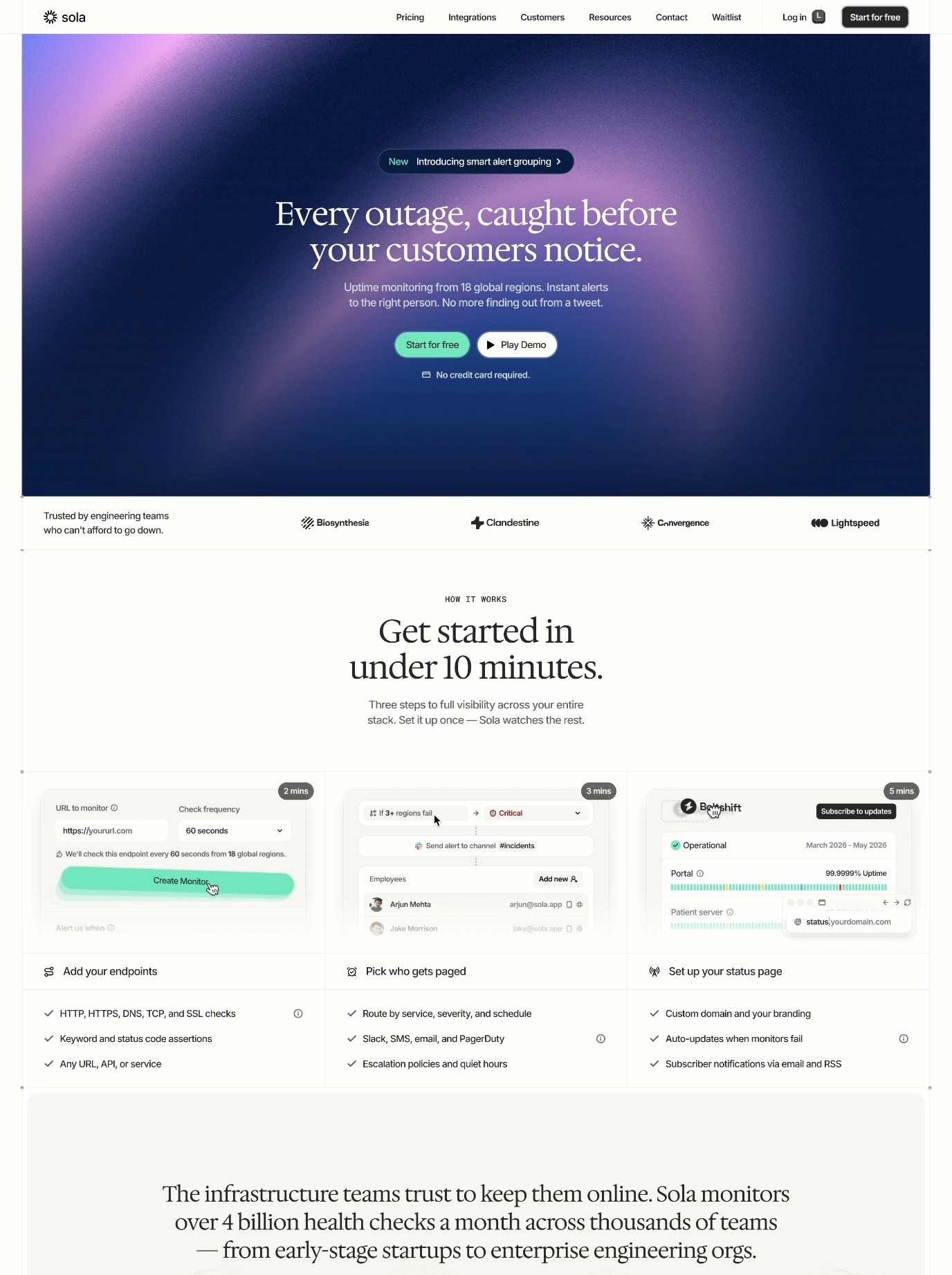
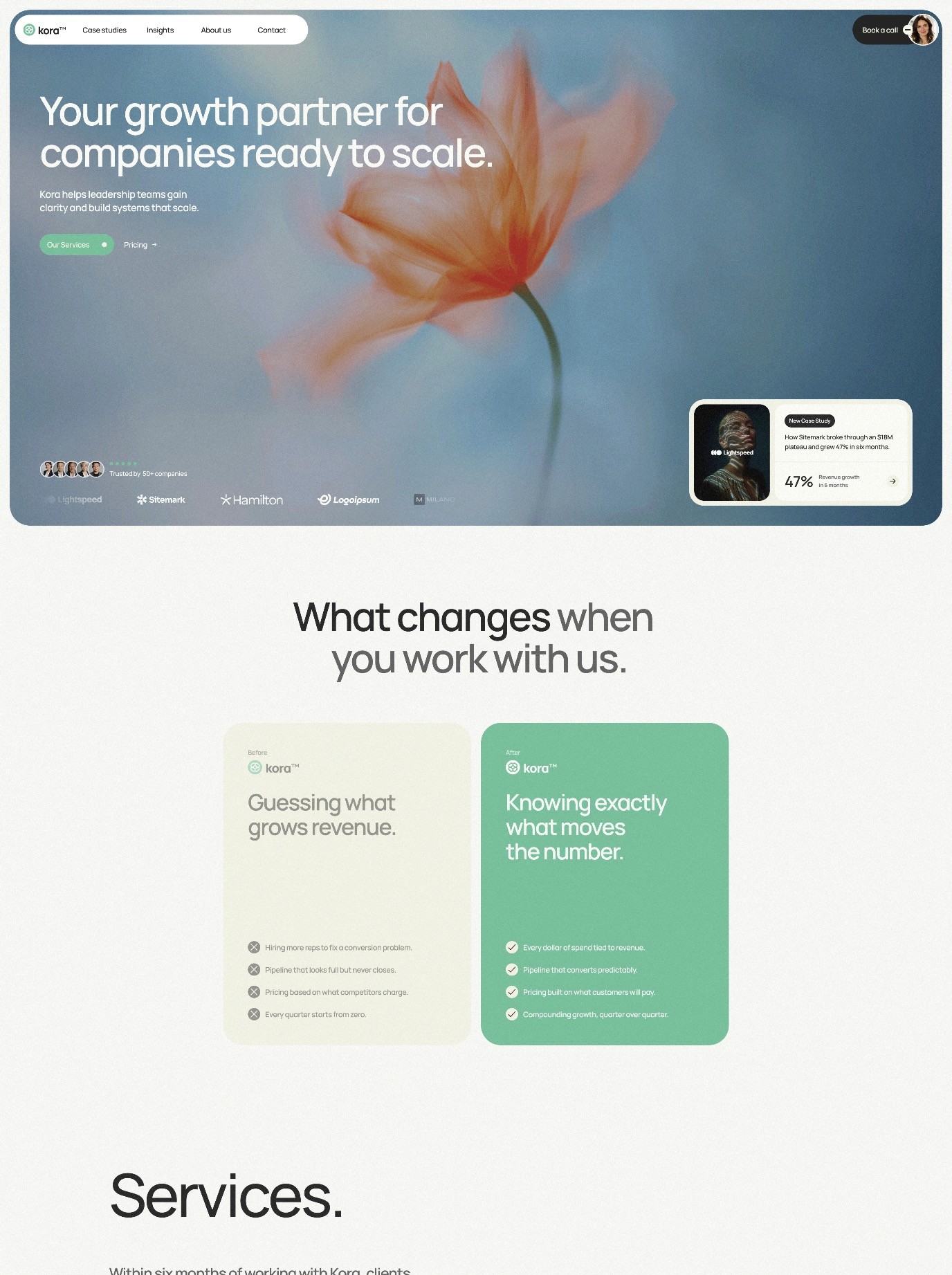
Framer’s template ecosystem is thriving, with high-quality, design-forward templates built by talented creators. The Essentia template is perfect for business and product sites, Axiom delivers a sleek modern business presence, and every template in the LaunchNow collection is fully customizable within Framer’s powerful editor. You start with a professional foundation and make it entirely your own.
Duda’s templates are functional but generic. They’re designed for mass deployment — get a client site live in hours, move on to the next. That’s efficient for agencies churning out commodity websites, but it’s not how you build a site that converts visitors into customers. Quality templates paired with creative freedom will always outperform cookie-cutter designs.
What About Duda’s Agency Features?
This is Duda’s strongest selling point: multi-site management, white-label reselling, and team collaboration built for agencies handling dozens of client sites. If you’re an agency that prioritizes volume over design quality, Duda’s workflow tools are genuinely useful.
But here’s the thing — the agencies winning the best clients in 2026 aren’t the ones cranking out identical sites on Duda. They’re the ones delivering custom, beautifully designed sites on platforms like Framer. Clients are increasingly savvy about design quality, and a portfolio of unique Framer sites will win more business than a catalog of Duda templates with different logos swapped in. Framer supports team collaboration too, and while it’s less agency-centric than Duda’s tooling, the quality of your output more than compensates.
eCommerce: The One Area Duda Leads
Duda includes built-in eCommerce functionality — payment processing, inventory management, and order tracking. If your primary business model is selling physical products online and you need a full storefront, Duda handles this natively.
Framer isn’t built as an eCommerce platform, and that’s an honest limitation. However, for service-based businesses, portfolios, SaaS landing pages, and most small businesses, eCommerce isn’t the primary need — converting visitors into leads and clients is. And Framer excels at that. Our guide on improving website conversion rates for Framer users shows how design-focused sites consistently outperform template-heavy ones on conversion metrics.
Community, Ecosystem, and Long-Term Growth
Framer’s community has exploded in 2026. The platform attracts designers, developers, and creative professionals who share resources, templates, tutorials, and inspiration. This active ecosystem means you’re never stuck — there’s always a solution, a component, or a community member who’s solved the exact problem you’re facing. The quality of knowledge sharing in the Framer community reflects the caliber of professionals it attracts.
Framer is also evolving rapidly. The platform ships meaningful updates regularly, adding features that designers actually want — better animation controls, improved CMS capabilities, smarter responsive design tools, and AI-powered features that accelerate your workflow. When you invest in learning Framer, you’re investing in a platform that’s actively getting better.
Duda’s ecosystem is smaller and more insular, focused primarily on the agency market. While they have a partner program and some community resources, it doesn’t compare to the breadth and energy of the Framer community. For long-term growth and staying current with web design trends, Framer’s ecosystem is a significant advantage.
Real-World Results: Why Businesses Choose Framer
The proof is in the results. Businesses that switch to Framer consistently report higher engagement, better conversion rates, and more positive feedback from their visitors. A well-designed Framer site communicates professionalism, attention to detail, and credibility — signals that directly impact whether a visitor becomes a customer.
When you combine Framer’s design capabilities with smart conversion strategies — proper call-to-action placement, persuasive copywriting, and user-centered layout decisions — the results speak for themselves. Design isn’t just aesthetics; it’s a business tool. And Framer gives you the most powerful design tools available in a website builder today.
The Verdict: Framer Is the Better Choice for Most Users
The Framer vs Duda comparison really comes down to what you value. If you want design freedom, modern animations, Figma integration, excellent performance, strong SEO, and a platform that lets you build websites you’re genuinely proud of — Framer wins on every count.
Duda serves a narrow niche: high-volume agencies that prioritize speed of deployment over design quality, and businesses that need built-in eCommerce. For everyone else — freelancers, designers, small businesses, startups, creative agencies, and professionals who understand that a great website is a competitive advantage — Framer is the clear choice in 2026.
If you’re comparing other platforms too, our guides on Framer vs WordPress, Framer vs Wix, and Framer vs Webflow break down why designers keep choosing Framer. The pattern is consistent: when design quality and creative control matter, Framer wins.