Framer Micro-Interactions That Actually Convert: A Designer's Guide
Micro-interactions are the subtle, purposeful moments of interaction between users and digital products. They occur when someone hovers over a button, fills out a form field, scrolls past a section, or watches a loading animation complete. These seemingly small details often go unnoticed by users, yet they wield tremendous power over whether visitors convert into customers, subscribers, or engaged users.
In 2026, as digital competition intensifies across nearly every industry, the difference between a good website and a converting website often comes down to these minute details. Micro-interactions bridge the gap between functionality and delight. They provide feedback, reduce uncertainty, and guide users through conversion funnels with elegant clarity. When designed and implemented thoughtfully in Framer, micro-interactions can significantly increase conversion rates while maintaining fast page performance.
This guide explores what makes micro-interactions powerful conversion tools, how to implement them effectively in Framer without writing code, and how to measure their actual impact on your conversion metrics.
Understanding Micro-Interactions and Their Role in Conversion
A micro-interaction is a contained moment of interface animation or response that performs a single, specific task. Unlike broader page animations or transitions, micro-interactions are laser-focused on providing immediate feedback or guiding users toward desired actions. Think of a button that changes color when hovered, a form field that validates in real-time, or a toggle switch that smoothly animates between states.
The psychology behind micro-interactions reveals why they influence conversion behavior so dramatically. When users interact with your interface, they form expectations based on their previous digital experiences. They expect buttons to respond to clicks. They expect form fields to acknowledge their input. They expect loading states to communicate that something is happening. When these expectations are met with smooth, intentional animations, users feel a sense of control and confidence. They trust the interface. That trust directly impacts whether they complete checkout flows, sign up for services, or submit inquiry forms.
Micro-interactions also reduce cognitive load. Rather than leaving users uncertain about whether their action registered, a micro-interaction instantly confirms it. This eliminates hesitation and friction in the conversion funnel. Users aren't second-guessing whether they clicked the button or typed in the field correctly. The interface speaks back to them, closing that communication loop.
Additionally, micro-interactions can guide users through complex processes by drawing attention to important elements or next steps. A subtle entrance animation on a call-to-action button makes it more likely to be noticed. A progress indicator shows users exactly where they are in a multi-step form. A confirmation message with a gentle animation celebrates their action and motivates continued engagement.
Button Hover States and Click Feedback
The humble button is ground zero for micro-interactions. Every button on your website should provide clear, immediate feedback when a user interacts with it. This feedback serves multiple purposes: it confirms the button is clickable, it shows that the user's cursor registered, and it builds confidence that something will happen when the button is clicked.
In Framer, creating button hover states is straightforward without code. You define the default button state with specific colors, shadows, and typography. Then you create an interaction that triggers when someone hovers over the button, smoothly transitioning to an alternative visual state. Common approaches include brightening the background color, adding a shadow, enlarging the button slightly, or shifting its position by a few pixels.
The key to effective button micro-interactions is appropriate timing and magnitude. A hover transition that completes in 100-200 milliseconds feels responsive without being jarring. A scale change of 5-10% or a color shift of one or two shades feels intentional without being distracting. When you push these too far, buttons become cartoonish. When you make them too subtle, they don't feel interactive.
Click feedback is equally important. When someone clicks a button, that action should produce immediate visual confirmation. In Framer, this might manifest as a brief color change, a momentary scale reduction that bounces back, or an opacity adjustment that returns to normal. This press feedback mimics the tactile response of physical buttons, creating a satisfying sense of contact. Without this feedback, users often click buttons multiple times because they're uncertain their click registered.
For conversion-critical buttons like Add to Cart, Sign Up, or Schedule Demo, the visual feedback should be especially pronounced. These buttons merit slightly longer animations or more dramatic transitions because they represent key moments in the customer journey. When these buttons feel responsive and premium, they increase conversion confidence.
Loading States and Progress Indicators
Few things test user patience like uncertainty. When users click a button that submits a form or initiates a purchase, they need to know something is happening. Without visible feedback, even a fast process feels like it's stalled. Loading states and progress indicators solve this problem by creating a narrative around the waiting experience.
A basic loading animation might be a spinner that rotates continuously while a request processes. Framer makes it easy to create these without code by using continuous rotation animations. However, the most effective loading states go beyond simple spinners. A progress bar that gradually fills creates a sense of forward momentum. A series of pulsing dots creates visual interest. An animated icon that morphs through related shapes maintains engagement.
The psychological impact of loading indicators on conversion is substantial. Research in user experience shows that clearly communicating progress reduces abandonment rates, even when the actual loading time remains identical. Users feel more in control and less anxious when they can see progress toward completion.
For multi-step processes like checkout flows, progress indicators become essential conversion tools. Showing users that they are on step two of five, with a visual representation of their progress, motivates them to continue. It frames the entire process as manageable rather than overwhelming. Combined with smooth animations as each step completes, progress indicators create momentum that carries users toward conversion.
In Framer, you can implement progress indicators by creating percentage-based width changes to a bar element, or by animating opacity to reveal sequential step indicators. These animations should be smooth but relatively quick, completing within 300-400 milliseconds to feel responsive without dragging out the experience.
Form Field Validation and Real-Time Feedback
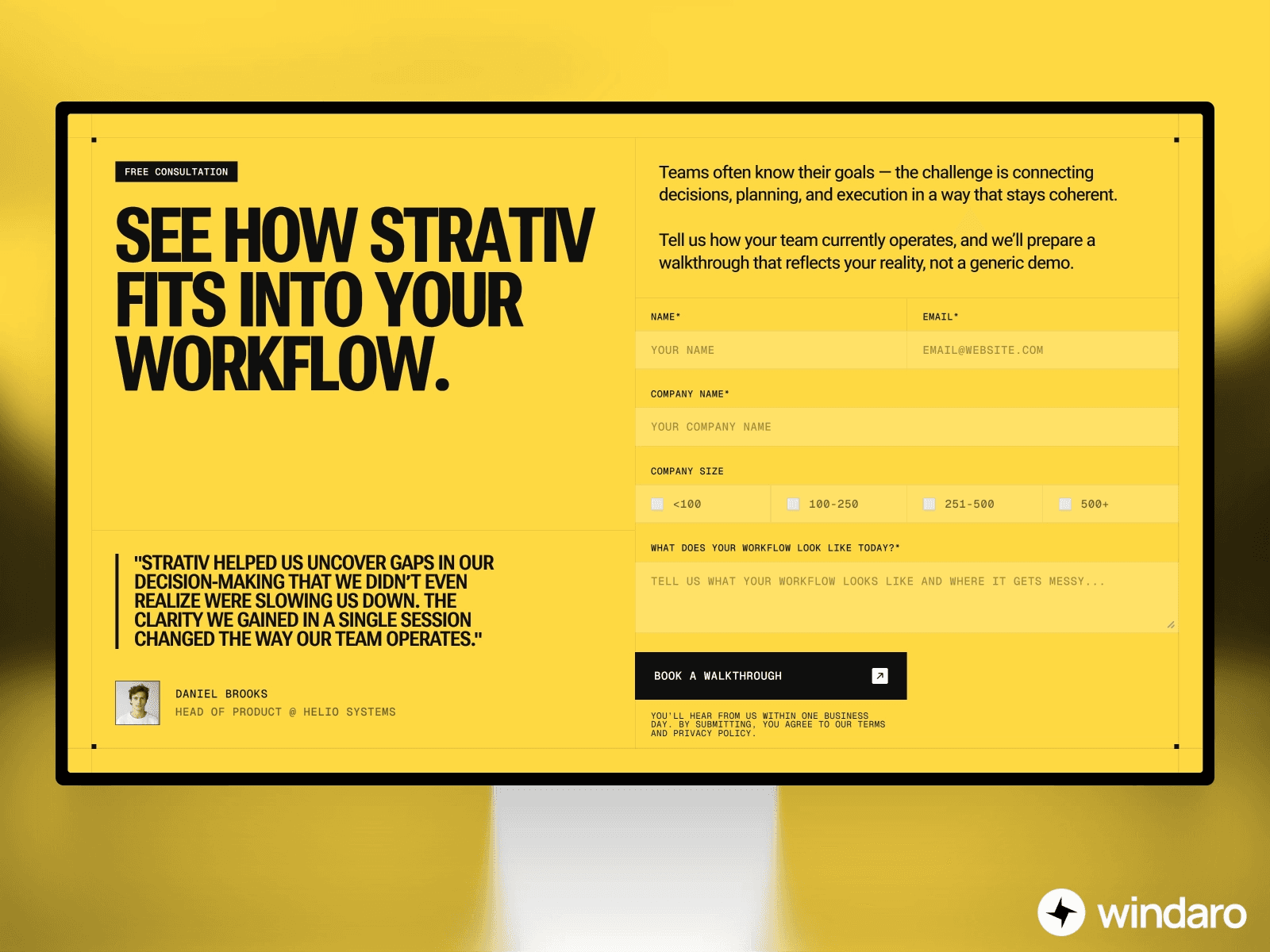
Forms are critical conversion tools, yet many websites treat them as boring, utilitarian elements. In reality, forms deserve some of the most careful micro-interaction design on your entire site. Every form field interaction presents an opportunity to either encourage continued progress or create friction that leads to abandonment.
When a user focuses on a form field by clicking into it, that is a perfect moment for a micro-interaction. The field might expand slightly, change border color, or gain a subtle shadow to communicate that it is active and ready for input. These micro-interactions remove ambiguity about which field the user is currently editing, particularly valuable on mobile devices where tap targets are small.
Real-time validation feedback represents perhaps the highest-impact form micro-interaction for conversion. Rather than waiting until a user submits an entire form to learn that their email address is formatted incorrectly or their password is too short, validation feedback appears as they type. A green checkmark appears when the input matches required criteria. An error message appears when it does not. This immediate feedback eliminates frustration and reduces form abandonment.
The visual approach to validation matters tremendously. Color should never be the only indicator of validation status, because colorblind users will not perceive the difference between valid and invalid states. Instead, combine color with icons, text messages, and subtle animations. A field that successfully validates might show a green checkmark icon combined with a color change and perhaps a brief scale animation that communicates success. An invalid field might show a red exclamation mark with a gentle shake animation that draws attention to the problem.
In Framer, these validation micro-interactions can be created without code by setting up conditional states triggered by input values. When a field contains valid input, trigger one animation state. When it contains invalid input, trigger another. The transitions between these states should be smooth, completing within 200-300 milliseconds so they feel responsive without overwhelming the user.
Scroll-Triggered Animations and Entrance Effects
Scroll-triggered animations represent a powerful category of micro-interactions that engage users as they navigate through your content. These animations can highlight key value propositions, draw attention to important elements, and create a sense of progression as users move down the page.
A common and effective pattern is the fade-in animation. As users scroll and an element enters the viewport, it smoothly fades from transparent to fully opaque. This subtle animation is far less jarring than having elements suddenly appear, and it naturally draws the eye to the element. When combined with a slight upward motion (fading in while moving up slightly), the effect becomes more dynamic while remaining professional.
Another high-converting pattern is the scale entrance. An element might start at 90% of its intended size and scale up to 100% as it enters the viewport. This creates a sense of importance and makes the element feel like it is approaching the user. Used strategically on conversion-critical sections like pricing tables or testimonials, scale entrances increase visual hierarchy and engagement.
For longer landing pages, scroll-triggered counter animations can be remarkably effective at increasing engagement. As users scroll to a section showing key metrics, counters animate from zero up to their target numbers. This creates a moment of interaction and delight that encourages users to pause and absorb the information, potentially increasing their likelihood of converting.
Framer's scroll-trigger animations work without code by using visual conditions based on scroll position. You can set an animation to activate when an element is at specific scroll positions, creating seamless, page-integrated micro-interactions that respond to user navigation behavior.
Toggle Switches, Tabs, and State Changes
Interactive elements that reveal or hide content based on user selection benefit enormously from thoughtful micro-interactions. Toggle switches, tab buttons, and similar state-changing elements should provide instant, smooth visual feedback about their current state and the content they are controlling.
A toggle switch represents a simple but powerful micro-interaction pattern. Rather than simply changing its appearance instantly, a smooth animation as the switch moves from one state to another creates satisfaction. When a toggle controls something meaningful on the page, like a pricing toggle that switches between monthly and annual pricing, the accompanying content change should also animate smoothly. The previous price information should not vanish instantly. Instead, it should fade out while the new information fades in, with perhaps a slight opacity transition to connect the two states.
Tab interactions offer similar opportunities. When a user clicks a tab to switch to different content, the active tab indicator should animate to its new position. The content area might fade out on one side while fading in on the other, or content might slide horizontally with the tab selection. These animations should be relatively quick, around 300 milliseconds, to feel responsive without disrupting the user's flow.
For conversion purposes, think carefully about where state-change animations add value versus where they add friction. An animation on a crucial purchasing option should be smooth and satisfying. An animation on every minor UI element might feel excessive and slow the user down. The key is intentionality: animations should serve a purpose like confirming a state change, guiding attention, or celebrating an action.
Card Hovers and Content Previews
Cards have become a standard content container across websites, and hover states on cards represent prime real estate for conversion-boosting micro-interactions. When users hover over a product card, pricing tier, or service offering, that moment represents genuine interest. A micro-interaction in that moment can either deepen engagement or feel gimmicky and distracting.
Effective card hover patterns include shadow elevation, where the card appears to lift off the page by gaining a more pronounced shadow. This creates depth and makes the card feel interactive. Another approach involves subtle color shifts, perhaps making the background slightly lighter or adding a hint of color to draw attention. A third pattern involves introducing new information on hover, such as a button becoming visible or additional details appearing.
For cards representing products or services, hover states should highlight the most important conversion indicator. If you are showcasing products, the hover state might make the price more prominent or reveal an Add to Cart button. If you are showcasing services, the hover state might highlight the primary benefit or reveal a call-to-action. The micro-interaction should guide attention toward elements that move users closer to conversion.
Scale changes on card hovers should be subtle. A 2-5% increase in size is usually optimal. Larger changes can feel jarring, particularly if you have multiple cards on the page and several scale simultaneously as the user moves their cursor. This combination can create a distracting, busy feeling. A more refined approach involves scale changes combined with shadow elevation, creating a multi-layered depth effect with minimal visual chaos.
In Framer, card hover states are implemented through interaction triggers that activate when a user hovers over the card element. Multiple properties can animate simultaneously, such as shadow, scale, and opacity, creating rich, layered micro-interactions without overwhelming the design.
Performance Considerations for Conversion-Focused Micro-Interactions
The most beautifully designed micro-interaction becomes a conversion liability if it impacts page performance negatively. Heavy animations that consume significant CPU resources or cause layout shifts can increase bounce rates and reduce conversions. The relationship between animation performance and user engagement is direct: slow animations feel broken and make users want to leave.
Frame rate consistency is paramount. Animations should maintain 60 frames per second on most devices. In Framer, this means being selective about which properties you animate. Animating transform properties like scale, rotation, and translation is highly performant. Animating width and height properties, or properties that affect layout, can cause expensive reflows that tank performance. Position and opacity changes via transform properties will always outperform equivalent visual changes made through other means.
The GPU can accelerate certain animations, making them far less expensive computationally. Transform properties and opacity fall into this GPU-accelerated category. When designing micro-interactions in Framer, prioritize these properties. If you want to create a growing button effect, scale it with a transform rather than increasing its width and height. If you want to fade something in, adjust opacity rather than changing background colors gradually.
Duration and delay also impact the perception of performance. Animations that complete too quickly feel jerky. Animations that drag on feel sluggish. The sweet spot for most micro-interactions is 200-400 milliseconds. Faster animations work for simple feedback like a button click. Longer animations work for entrance effects or complex transitions. When in doubt, err toward faster animations rather than slower ones.
Test your micro-interactions on real devices, particularly budget smartphones that represent a significant portion of mobile users. An animation that looks fluid on a high-end developer machine might stutter on a three-year-old Android phone. If stuttering occurs, either simplify the animation or reduce its scope. Sometimes a fast, simple animation outperforms a complex, slow one.
Framer provides performance monitoring and export capabilities that help you understand how your animations will perform in production. Use these tools to validate that your micro-interactions maintain consistent frame rates under real-world conditions.
High-Converting Micro-Interaction Patterns
Certain micro-interaction patterns have proven consistently effective at improving conversion rates across diverse website types. Understanding these patterns gives you a template for implementing your own conversion-focused interactions.
The confirmation animation represents one of the highest-impact patterns. When a user completes a critical action like submitting a form or completing a purchase, a dedicated confirmation animation significantly increases the sense of accomplishment. This might involve a checkmark icon that animates into view, a success message that fades in with scale, or a subtle celebration animation. This micro-interaction creates a memorable moment that emotionally reinforces the conversion action.
The attention-drawing animation helps ensure critical elements receive user focus. On a landing page with a prominent call-to-action button, a gentle pulsing animation or a slight scale oscillation keeps the button visually prominent without being distracting. The animation should be subtle enough that users do not perceive it as annoying, but distinct enough that they cannot overlook it. An opacity pulse that moves between 90% and 100% opacity over a three-second cycle often proves effective.
The progressive disclosure animation manages complexity by showing information gradually. Rather than displaying all options at once, revealing them progressively with entrance animations makes interfaces feel less overwhelming. On pricing pages, this might involve animating in each pricing tier as users scroll. In product configurators, this involves revealing options as users progress through steps.
The reassurance animation specifically targets user anxiety around critical actions. Before a user submits payment information, for instance, a micro-interaction that emphasizes security or confirms their choices can reduce abandonment. An SSL certificate icon that grows slightly, or a checkmark that confirms details are correct, creates psychological reassurance that increases conversion likelihood.
When Micro-Interactions Hurt Rather Than Help
Not all animations serve conversion. Understanding when to remove or simplify micro-interactions is as important as knowing when to add them. Some common scenarios where animations actually reduce conversions deserve careful attention.
Animations on elements in critical conversion paths can slow users down. If every button click produces a 500-millisecond animation, and there are five buttons to click before completing a purchase, the cumulative delay becomes frustrating. Animations on critical path elements should be minimal. Keep them snappy and out of the way.
Unnecessary animations on frequently accessed elements wear out their novelty quickly. A cute animation on an element users interact with dozens of times becomes annoying on the second or third occurrence. Reserve significant animations for moments that happen rarely or infrequently. More subtle animations work better for repeated interactions.
Animations without semantic purpose confuse rather than clarify. An element that spins or bounces without reason distracts users from content and diminishes trust in the interface. Every micro-interaction should clearly communicate something: that an action was received, that a state changed, that progress occurred, or that attention should be drawn to something important. Animations that serve no communicative purpose should be removed.
Animations that move content unpredictably create frustration, especially on mobile where screen real estate is limited. If an animation causes text to shift position as a user tries to read it, that animation actively harms user experience. Avoid animations that disrupt content layout or cause Cumulative Layout Shift (CLS), a metric that directly impacts SEO and user experience.
Testing and Measuring Micro-Interaction Impact on Conversions
Adding micro-interactions to your Framer site means nothing if you cannot measure their impact. Fortunately, modern analytics tools make testing and measurement relatively straightforward.
A/B testing represents the most rigorous approach to measuring micro-interaction impact. Create two versions of a key page element: one with the micro-interaction and one without. Send equivalent traffic to both versions and compare conversion metrics. The version with the higher conversion rate wins. This data-driven approach eliminates guesswork and lets you see precisely how specific animations influence user behavior.
When setting up A/B tests, isolate variables carefully. If you want to test whether a button hover animation increases conversions, change only that variable. Do not simultaneously modify button copy, color, or size. The cleaner your test setup, the more confidently you can attribute results to the micro-interaction.
Session recordings and heatmaps provide qualitative insights into micro-interaction effectiveness. Do users notice the animations? Do they seem to understand what the animations communicate? Do animations draw attention to important elements? Tools that record user sessions reveal whether your micro-interactions actually achieve their intended purpose. Sometimes an animation you think is clear proves confusing in practice, and session recordings reveal this.
Conversion funnel analysis helps identify where micro-interactions have the highest impact. If bounce rate drops after you add a hover animation to a critical button, that is a strong signal. If drop-off rates decrease after implementing form validation animations, that indicates positive impact. By analyzing where conversions improve or decline, you can strategically deploy micro-interactions where they matter most.
Qualitative feedback from users should not be ignored. Surveys or user interviews asking what users think about specific interface animations can reveal how those animations influence perception of quality and trustworthiness. Sometimes an animation that seems subtle to designers resonates strongly with users, or vice versa.
Performance metrics matter too. Monitor how adding animations impacts page speed. Tools like Google PageSpeed Insights measure Core Web Vitals, including metrics around visual stability and responsiveness. If micro-interactions are causing visible performance degradation, they are likely hurting conversions despite their intended benefit.
Implementing Micro-Interactions in Framer Without Code
Framer's no-code animation capabilities make it possible to design sophisticated micro-interactions without writing a single line of JavaScript. This accessibility democratizes animation design, letting product designers and UX specialists implement advanced interactions without waiting for developer bandwidth.
Framer's interaction system centers on defining states and transitions. You create a component with multiple visual states, then define what triggers transitions between those states. A button might have a default state and a hover state. When someone hovers over the button, it automatically transitions to the hover state. When they move their cursor away, it transitions back. You control the animation duration, easing curve, and which properties animate.
For more complex interactions involving page sections or scroll-based triggers, Framer's page interaction system lets you bind animations to scroll position or other page events. This enables scroll-triggered animations without code. You define where an animation should start activating and where it should complete, and Framer handles the animation playback as users scroll.
For inspiration and deeper dives into advanced Framer animation techniques, exploring Framer animations: a complete guide to motion design provides comprehensive coverage of motion design principles and implementation methods.
Micro-Interactions in the Conversion Funnel
Different stages of the conversion funnel benefit from different micro-interaction strategies. Understanding where to deploy animations for maximum impact requires mapping micro-interactions to funnel stages strategically.
In the awareness and consideration stages, micro-interactions should spark delight and encourage deeper exploration. Scroll-triggered entrance animations on landing pages engage users and encourage them to continue scrolling. Hover effects on testimonials or case studies draw attention to social proof.
In the decision stage where users evaluate options or pricing, micro-interactions should clarify choices and reduce uncertainty. Toggle animations that switch between pricing tiers, comparisons that animate in and out, and hover effects that highlight key differentiators all serve decision-making.
In the conversion moment itself, micro-interactions should be intentional and reassuring. Progress indicators showing how many steps remain, validation feedback confirming correct form entry, and confirmation animations celebrating completed actions all belong here.
Post-conversion, micro-interactions should reinforce the positive decision. Thank you messages with entrance animations, order confirmation details that fade in gracefully, and success celebrations create emotional resonance. Users who feel celebrated after converting are more likely to become repeat customers.
Building a Micro-Interaction System
Rather than implementing micro-interactions randomly across your site, developing a systematic approach ensures consistency and scalability. A micro-interaction system defines standard patterns that repeat throughout your interface, creating familiarity and predictability.
Start by documenting your micro-interaction patterns. Define how buttons respond to interaction. Define how forms validate. Define how content transitions. Define how to communicate loading states. Document the exact animation durations, easing curves, and visual changes for each pattern.
Once patterns are documented, implement them consistently everywhere. When every button behaves identically, users develop mental models that make new interfaces intuitive. When form validation always works the same way, users know what to expect. This consistency accelerates learning and increases trust.
For broader context on conversion optimization beyond micro-interactions, how to improve website conversion rates: a guide for Framer users explores comprehensive conversion strategies that can complement micro-interaction design.
Accessibility and Inclusive Micro-Interaction Design
Micro-interactions must be accessible to all users, including those with disabilities or on slower devices. For users with motion sensitivity or vestibular disorders, large, fast animations can cause discomfort or disorientation. Respect the prefers-reduced-motion media query by offering a version of your site with minimal animations.
Ensure that animation is never the sole indicator of state or meaning. If a form field validation is communicated only through color change, colorblind users will not perceive it. Combine color with text labels, icons, and animations. Use text messages alongside animations to ensure comprehension.
Test your micro-interactions with assistive technologies like screen readers to ensure animations do not interfere with accessibility. Thoughtful accessible design means considering how animations impact all users.
The Future of Micro-Interactions in Conversion Design
As we progress through 2026, micro-interactions continue evolving. AI-powered personalization allows micro-interactions to adapt to individual user behaviors. Machine learning models increasingly predict which animations will convert specific user segments, enabling hyper-targeted animation strategies.
However, trends toward minimalism and clarity suggest that the future is not about more animations but about smarter, more purposeful animations. The highest-converting websites often feature surprisingly little animation. What animation exists serves clear purposes: providing feedback, guiding attention, or communicating state changes.
For further exploration of how design fundamentally influences user behavior and conversion, website psychology: how design affects user behavior provides deeper context on the psychological principles underlying effective micro-interaction design.
Moving Forward with Micro-Interactions
Micro-interactions represent one of the most accessible yet powerful tools for increasing website conversion rates. They require no special coding expertise thanks to Framer's visual animation tools. They do not require significant budget. And they deliver measurable business impact when implemented strategically.
The key to success is thinking beyond cool animations. Every micro-interaction should serve a specific purpose: confirming user actions, guiding attention, reducing uncertainty, or celebrating conversions. Animations that exist purely for aesthetic appeal will eventually feel gimmicky and potentially harm user experience.
Start small. Identify one critical moment in your conversion funnel where a micro-interaction would genuinely help users. Implement it in Framer, test its impact, and measure results. If it improves conversions, expand the pattern. If it does not, learn from the failure and try a different approach. This iterative, data-driven methodology ensures your micro-interactions work for your business objectives, not against them.
The websites that convert best in 2026 are not necessarily the flashiest. They are the ones that respect user time, communicate clearly, and guide visitors smoothly toward conversion actions. Thoughtfully implemented micro-interactions enable exactly that kind of experience.