White Label Framer: How Agencies Are Scaling Client Projects in 2026
The web design industry has undergone a significant transformation in recent years. What once required months of custom development and substantial budgets can now be delivered in weeks by agencies leveraging modern no-code platforms. Among the tools reshaping how agencies operate, Framer has emerged as a game-changer for white label web design services.
White labeling has become the standard business model for forward-thinking agencies in 2026. Rather than building everything from scratch, agencies use white label tools to deliver branded solutions under their own name, improving margins, accelerating timelines, and allowing them to take on more clients without proportionally increasing their team size. For web design agencies, this strategy translates directly to sustainable growth and competitive advantage.
This article explores how agencies are using Framer as a white label platform, the business models that work best, and the practical systems needed to scale client projects efficiently.
Understanding White Label in Web Design
White labeling in the context of web design means using a platform or service to deliver client work while maintaining complete branding control. The end client receives a website designed and built using Framer, but they believe it was entirely custom-built by their agency. From the client's perspective, they're working with a specialized design firm, not a company using a no-code tool.
This business model isn't deceptive—it's transparent and professional. Agencies clearly understand they're using platforms and tools, just as a construction company uses prefabricated materials without disclosing every supplier. What matters to the client is the final result: a high-quality, functional website delivered on time and on budget.
The white label approach has several critical advantages. First, it dramatically reduces production time. A Framer-based website that would take three months to code custom can be designed, customized, and launched in two to three weeks. Second, it improves profitability. Agencies maintain their service fees while reducing internal labor costs. Third, it enables better resource allocation. Designers can focus on strategy and customization rather than repetitive coding tasks.
In 2026, the most successful agencies aren't those with the biggest development teams—they're the ones who've optimized their workflows and chosen the right tools. White labeling with Framer represents exactly this mindset.
Why Framer Is Ideal for White Label Services
Framer stands out among no-code platforms for several reasons that make it particularly suitable for agency white label work. Understanding these advantages helps explain why agencies continue adopting the platform at scale.
Design Systems and Reusability
Building a sustainable white label business requires repeatable processes. Framer's component system, design tokens, and styling capabilities allow agencies to create robust design systems. Once established, these systems dramatically accelerate project timelines for subsequent clients in the same industry vertical.
For example, an agency might develop a comprehensive design system for SaaS companies, including component libraries for pricing tables, feature comparisons, testimonial sections, and CTAs. When the next SaaS client comes in, instead of starting from scratch, the team builds from this proven system. This multiplies productivity and ensures consistency across client projects.
No Code Ceiling Flexibility
Framer exists in a sweet spot where it handles 80 percent of web design work excellently but doesn't pretend to be something it's not. For the 20 percent that requires custom development—payment processing, complex integrations, specialized functionality—Framer plays well with external solutions and can be integrated with custom code when needed. This realistic positioning makes it ideal for agencies that need flexibility without overcomplication.
Client Handoff and Maintenance
A critical consideration for white label services is what happens after launch. Does the client need to maintain the site? Can they update content? Framer's CMS capabilities and visual editor make it accessible for clients who want to manage content without requiring technical skills. For clients who prefer full handoff, agencies can train them or offer retainer-based maintenance, creating recurring revenue streams.
Building White Label Workflows with Framer Templates
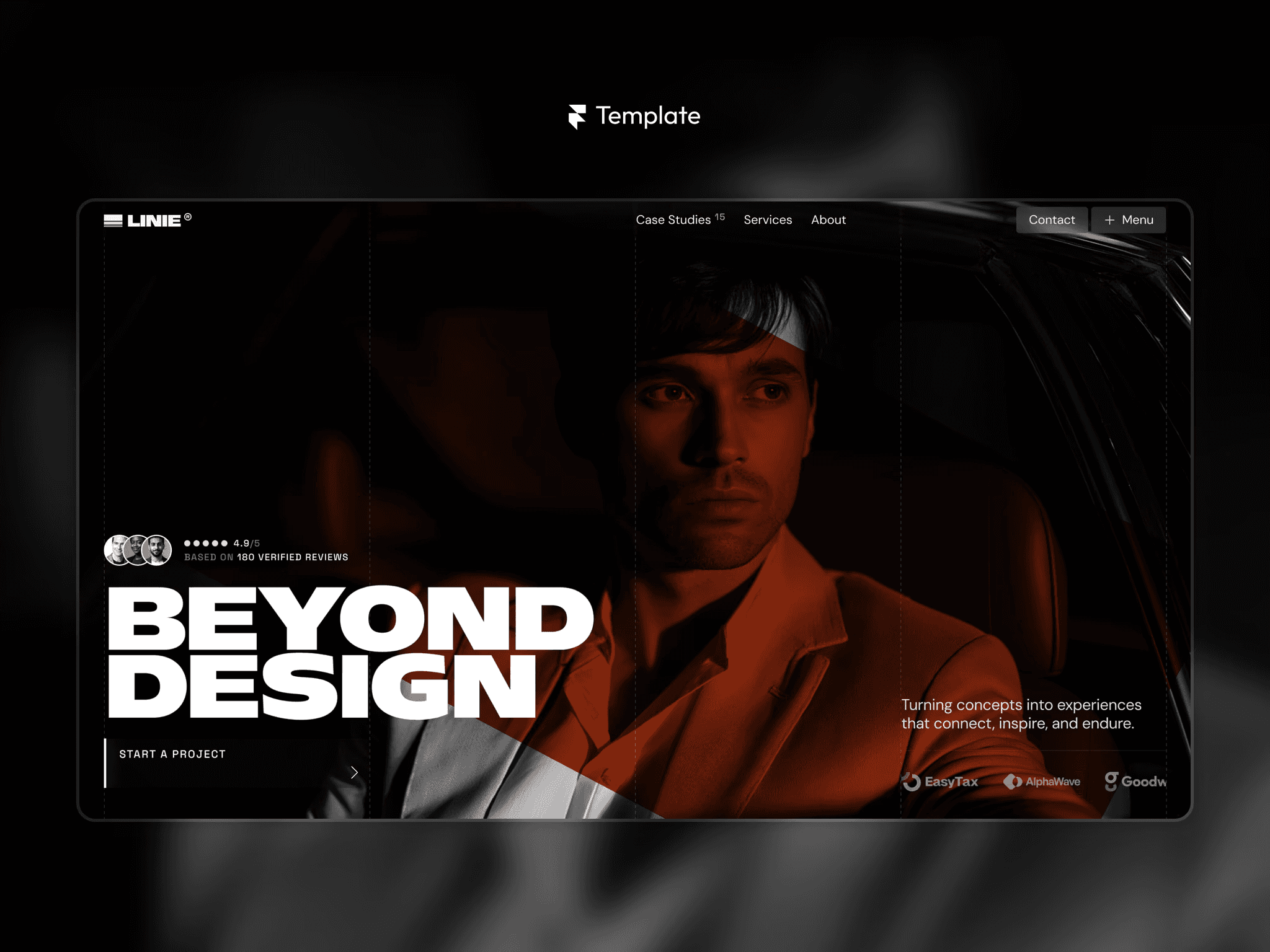
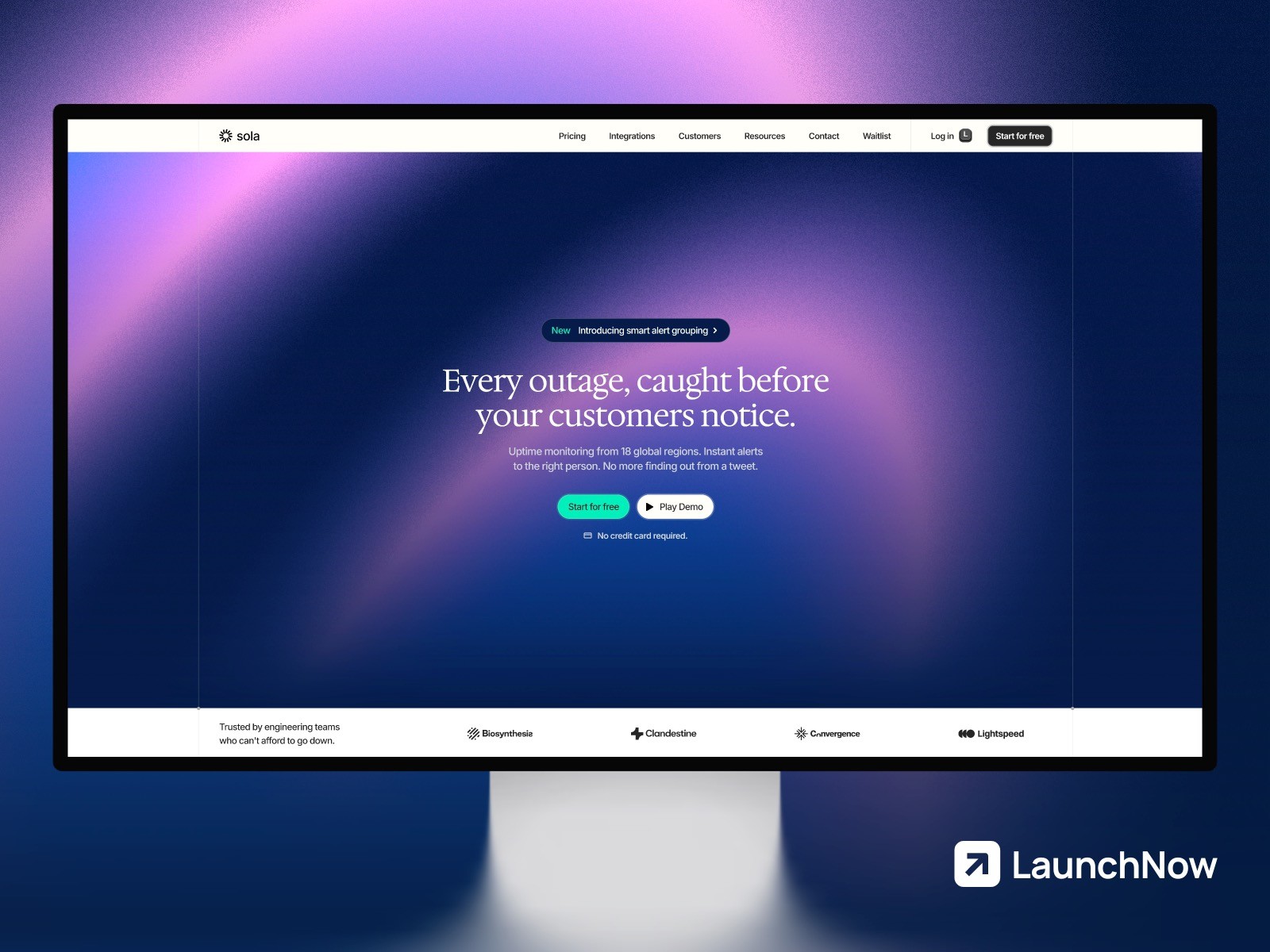
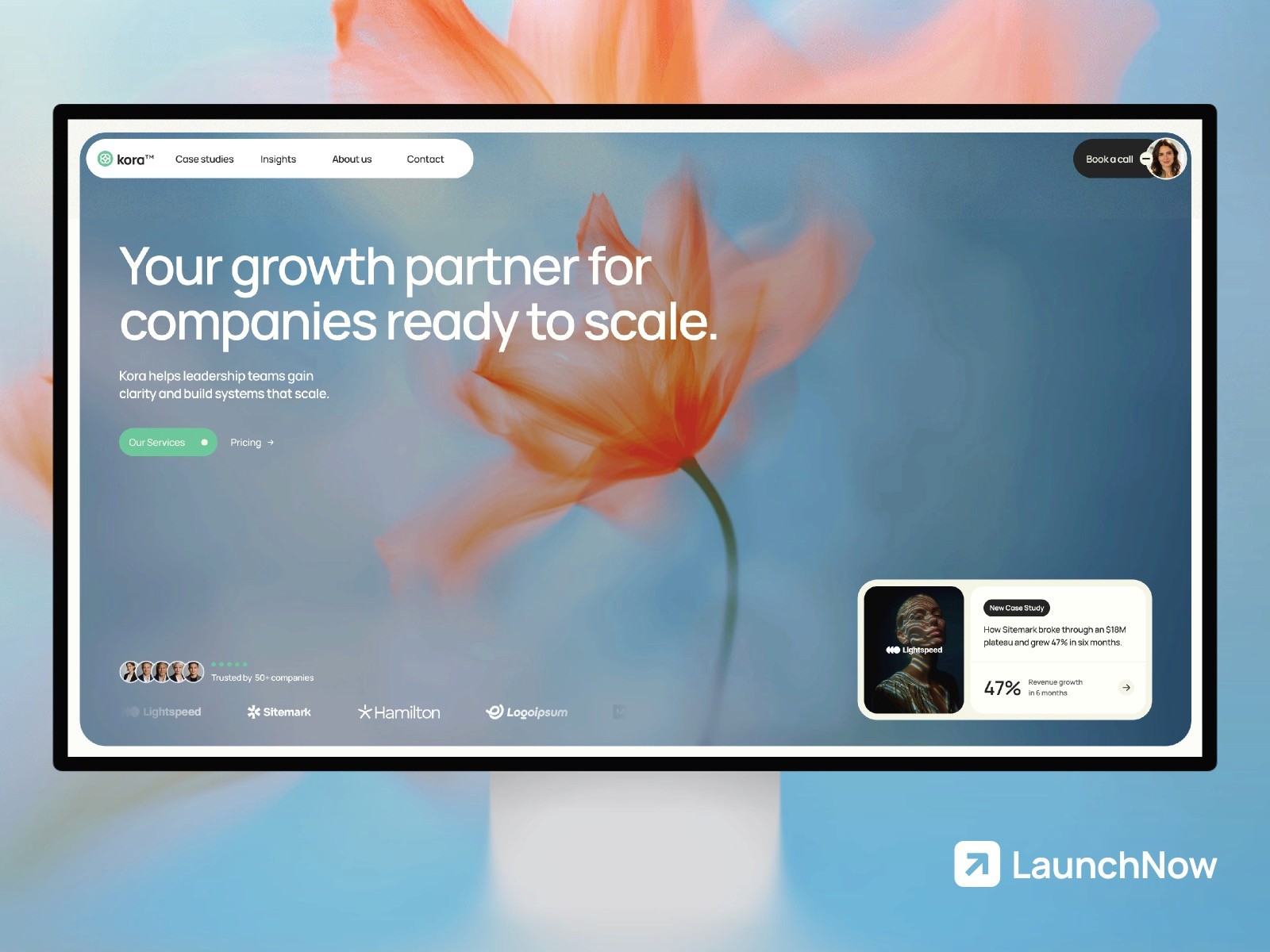
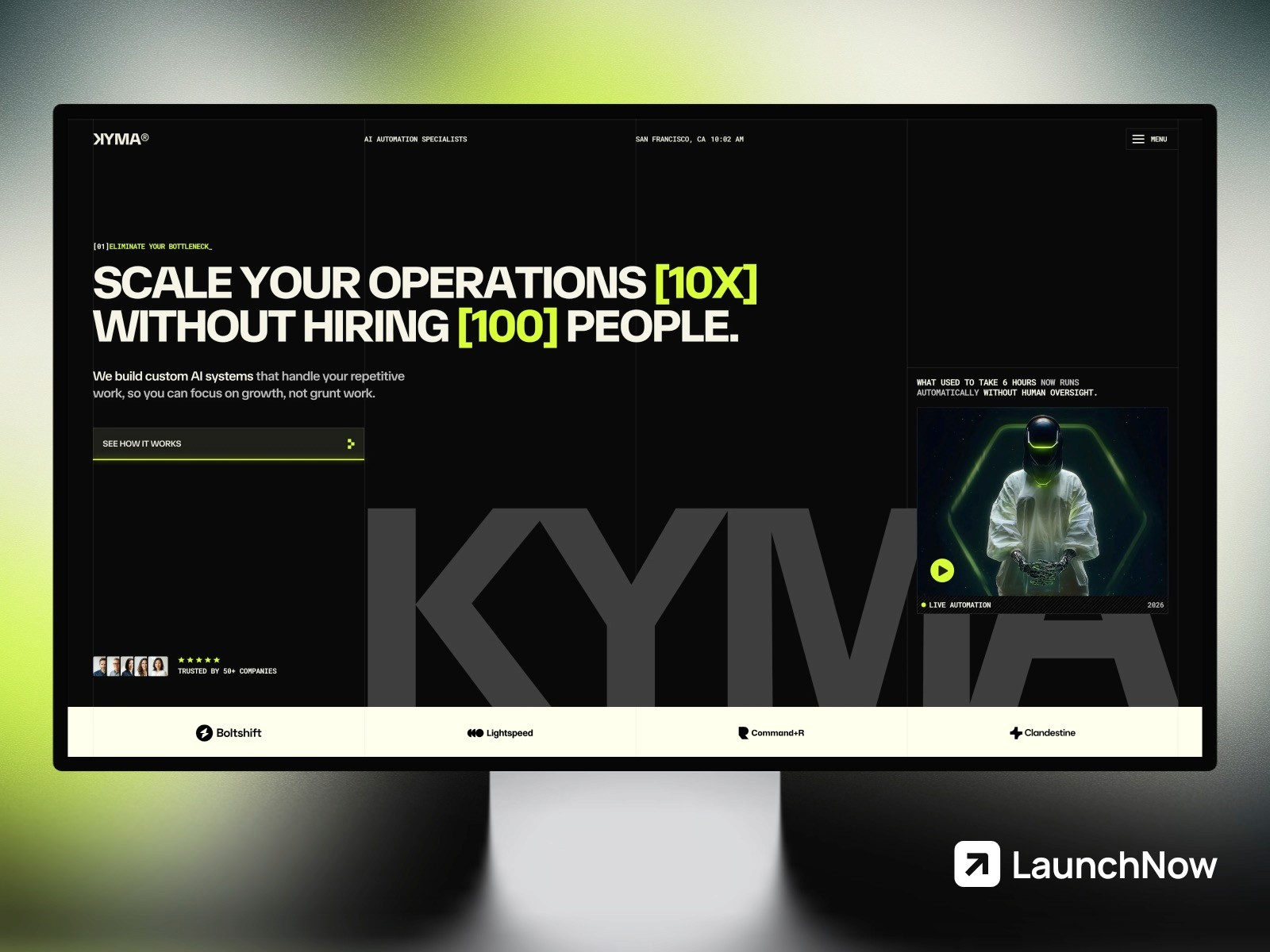
The foundation of any scalable white label operation is the template strategy. Rather than starting every project blank, agencies develop template libraries that serve as starting points for client work. Framer templates for freelancers provide a work-smarter-not-harder foundation, and the same principle applies at agency scale.
A well-structured template system includes templates for common project types: corporate websites, landing pages, SaaS homepages, e-commerce sites, and portfolio sites. Each template is pre-designed with the agency's preferred component library, design patterns, and technical setup. When a new client project begins, the team selects the most relevant template and customizes it for the specific client brand and messaging.
The customization process is where the real value and creativity happen. Customizing a Framer template from purchase to launch is a core skill for modern agencies. The process typically involves replacing placeholder content with client-specific text and images, adjusting colors and typography to match brand guidelines, modifying layouts to reflect unique value propositions, and adding client-specific functionality or integrations.
This template-based approach has concrete business benefits. Project timelines compress dramatically—what might take six weeks of custom design now takes one to two weeks. Costs decrease proportionally. Quality increases because templates are already tested and refined. And most importantly, agencies can take on significantly more clients without adding headcount.
Pricing Strategies for White Label Services
Agencies using Framer for white label work employ several effective pricing models, each with distinct advantages depending on the target market and business goals.
Per-Project Pricing
The most straightforward model charges clients a fixed fee per project. Using Framer's efficiency, agencies can offer competitive pricing that's still profitable. For example, a corporate website that would have traditionally cost $15,000 to $20,000 in custom development might be priced at $8,000 to $12,000 using the white label Framer approach. The client receives excellent value, and the agency maintains healthy margins because production costs are significantly lower.
Per-project pricing works well for agencies with stable, repeatable project types. The predictability allows for resource planning and team allocation. Agencies can often estimate timelines within a narrow range because similar projects follow similar workflows.
Retainer and Ongoing Services
Beyond the initial launch, recurring revenue models offer better business stability. Agencies offer monthly retainers for website maintenance, content updates, feature additions, and performance monitoring. These retainers are highly profitable because the marginal cost of maintaining an existing site is minimal compared to the retainer fee.
For SaaS and other companies that frequently need website updates, retainers are the preferred model. The agency becomes a trusted ongoing partner, deepening the relationship and creating lifetime customer value far exceeding the initial project cost.
Productized Services
Some agencies develop productized offerings where specific website types are standardized and priced accordingly. For instance, an agency might offer a "Startup Launch Website" package for a fixed price: a professional website built on Framer, delivered within 30 days, with three rounds of revisions. This clarity attracts clients who value simplicity and budget certainty, and it streamlines the agency's delivery process to maximize efficiency.
Productized services represent the highest maturity level for white label agencies. They eliminate custom scoping, reduce sales cycle time, and create assembly-line efficiency in delivery.
Building Repeatable Design Systems for Scale
The difference between an agency that stays small and one that scales is often the presence of robust systems and design standards. In the Framer context, this means developing and maintaining a comprehensive design system that every project uses.
A mature agency design system in Framer includes component libraries (buttons, forms, cards, navigation patterns), color palettes and typography systems, spacing and layout guidelines, animation and interaction standards, and documented best practices for specific industry verticals. This system becomes institutional knowledge—the way the agency builds websites.
For new team members, the design system accelerates onboarding dramatically. Instead of learning individual preferences and standards through osmosis, they immediately reference the system. This reduces design inconsistencies and speeds up project delivery.
The design system also becomes a competitive advantage. When the agency pitches new clients, they can showcase the quality and sophistication of previous work. All those projects, despite being white label solutions, demonstrate the agency's capability and taste. Clients see beautiful websites built with Framer and feel confident they're hiring a legitimate design agency.
Client Management and Project Handoff
White label service delivery depends entirely on smooth client management and clear communication. Agencies that excel at these processes build loyal client bases and generate referrals. Those that miss these elements struggle despite having superior tools.
Setting Expectations
The critical first step is transparently explaining what clients can expect. The agency should be clear about the project timeline, the revision process, the number of design rounds included, and the final deliverables. Best practices for handing off a website focus on clear communication and training. Creating a client onboarding document that walks through the project phases, communication cadence, and deliverables prevents misunderstandings.
Some agencies create a visual project timeline so clients understand exactly when they'll see deliverables, when decisions are needed, and when the site goes live. This transparency reduces scope creep and keeps projects on track.
Collaboration Tools and Workflow
Agencies managing multiple projects need organization systems. Project management tools like Asana, Monday.com, or Notion help track project status, client feedback, and team tasks. Design review processes should be standardized—perhaps a weekly video call with the client to review progress and gather feedback, with changes documented and prioritized.
Version control and approval workflows prevent chaos. Agencies might use a system where design changes require client approval before implementation, or where multiple team members review work before presenting to the client. These processes seem bureaucratic but actually accelerate projects by preventing rework and confusion.
Training and Handoff
When a Framer site launches, some clients need training to manage it independently. Agencies might conduct a handoff session where they walk clients through the CMS, how to update content, how to add new pages, and how to manage basic settings. Recording this training for future reference also helps.
Other clients prefer complete management by the agency, which becomes a retainer relationship. Either way, the handoff process should be documented and standardized so different team members can deliver it consistently.
Finding and Onboarding White Label Clients
White label services require a consistent pipeline of clients. Agencies sourcing these clients employ several strategies that work well in 2026.
Vertical Specialization
Rather than positioning as a general agency, successful white label operations often focus on specific industries: SaaS, e-commerce, professional services, nonprofits, or local businesses. Specialization allows agencies to develop industry-specific expertise, deeper template libraries, and targeted marketing. When a SaaS founder searches for a web designer, they're more likely to choose an agency that demonstrates deep SaaS experience than a generalist.
Inbound Marketing and Content
Agencies that publish content about web design, their process, and industry trends attract inbound leads. Blog articles, case studies, and design inspiration libraries position the agency as knowledgeable and capable. This content ranks in search engines, bringing qualified prospects organically.
Case studies deserve special attention. Detailed case studies showing before-and-after project transformations, the strategy employed, and the business results achieved convince prospects that the agency delivers real value. When these are tied to the client's specific industry, conversion rates improve significantly.
Partnerships and Referral Networks
Many white label clients come through referrals from business consultants, brand agencies, or marketing agencies. A brand agency, for example, might design a company's new brand identity but lack in-house web design capability. They refer the web design work to an agency they trust. Agencies build these partnership networks systematically, meeting with complementary service providers and establishing referral relationships with clear commission or mutual understanding.
Sales and Discovery Process
The sales process for white label work typically moves quickly because there's less complexity than custom development projects. An initial discovery call clarifies the client's goals, budget, and timeline. If there's alignment, a proposal follows outlining the approach, deliverables, timeline, and investment. The sales cycle from initial contact to signed agreement might be one to two weeks.
Tools and Integrations Supporting Agency Workflows
Framer operates within an ecosystem of complementary tools that agencies integrate to optimize their workflows. These integrations directly impact project efficiency and client satisfaction.
Project Management and Collaboration
Tools like Asana, Monday.com, or Linear integrate with Framer projects, allowing agencies to track work status, assign tasks, and manage client feedback centrally. When a client submits feedback, it automatically creates tasks for the design team. This integration reduces communication fragmentation and ensures nothing falls through the cracks.
Analytics and Performance Monitoring
Agencies often integrate Google Analytics, Hotjar, or similar tools into their white label sites. This data helps both the agency and the client understand user behavior and optimize performance. For retainer clients, this monitoring becomes part of the monthly service—identifying opportunities for improvement and acting on them.
CMS and Content Management
Framer's built-in CMS covers many needs, but some agencies integrate additional tools like Contentful or Strapi for complex content requirements. Integration tools like Zapier connect Framer to other services—for instance, automatically creating new pages in Framer when a product is added to Shopify.
Scaling from Freelancer to Agency with Framer
Many agencies that now serve dozens of clients started as solo freelancers. Understanding how to scale from freelancer to agency using Framer as the foundation illuminates the platform's power.
The Freelancer Foundation
A solo designer or developer using Framer can typically deliver one to two projects monthly while maintaining quality. At this scale, projects are completely custom, templates aren't systematized, and each project follows a unique workflow. Margins are reasonable if the designer maintains high rates, but it's a time-for-money business with limited growth ceiling.
Systematizing and Templating
The first step toward agency scaling is recognizing which projects share common patterns. Rather than redesigning every homepage, navigation, or pricing page from scratch, the freelancer begins developing templates. These templates aren't polished products—they're reusable starting points that compress timelines. Suddenly, projects that took four weeks take two weeks, and the freelancer can handle more clients without working more hours.
Hiring and Team Building
As demand grows, the freelancer hires another designer or developer. The systematization that made freelance growth possible now becomes critical for team coordination. Without documented processes, multiple people will approach projects differently, causing inconsistency and inefficiency. With systems and templates in place, new hires quickly become productive.
Process Optimization and Specialization
As the agency grows, further specialization becomes possible. Rather than one person handling discovery, design, development, and client management, the agency might split these responsibilities. One person specializes in client discovery and project management. Designers focus on design. Developers or Framer specialists focus on implementation. This division of labor increases overall productivity and allows specialists to develop deeper expertise.
Revenue Model Evolution
A freelancer might work on a per-project basis. As an agency, the business model typically evolves toward retainers and productized services that provide recurring revenue and better business stability. Understanding Framer pricing helps agencies choose the right plan for their scale. An agency with 20 active client retainers has far more predictable revenue than one dependent on sporadic project engagements.
Building Sustainable White Label Operations
Creating a successful white label agency with Framer requires more than just knowing the tool. The most sustainable operations combine technical excellence with business discipline.
First, maintain relentless focus on the customer experience. Even though clients don't know they're using Framer, they absolutely know whether they received a great product delivered smoothly or a frustrating experience. The white label advantage is the efficiency behind the scenes, not a license to provide less value. The best agencies use the time they save with Framer to invest more in strategy, customization, and client success.
Second, invest continuously in your design system and template library. The compound benefit of these investments grows over time. A design system that started with five components might eventually include fifty, each one tested, refined, and documented. This library becomes proprietary competitive advantage that's difficult for competitors to replicate.
Third, build a culture of continuous improvement. Regularly review completed projects, gather client feedback, and identify process bottlenecks. What took two weeks on the last project—could it take one week with better template design or workflow optimization? These marginal improvements compound into dramatic productivity gains over time.
Fourth, maintain transparency and integrity with clients. Honesty about what you can and can't do, clear communication about timelines and expectations, and delivering on promises builds lasting client relationships. Repeat business and referrals from satisfied clients are the most reliable growth engine for white label agencies.
The white label approach with Framer represents a fundamental shift in how modern agencies operate. Rather than competing on custom development capabilities and large team size, agencies compete on process efficiency, design excellence, and client service quality. In 2026, this model is no longer a novel approach—it's the standard that separates successful, growing agencies from those struggling to scale.