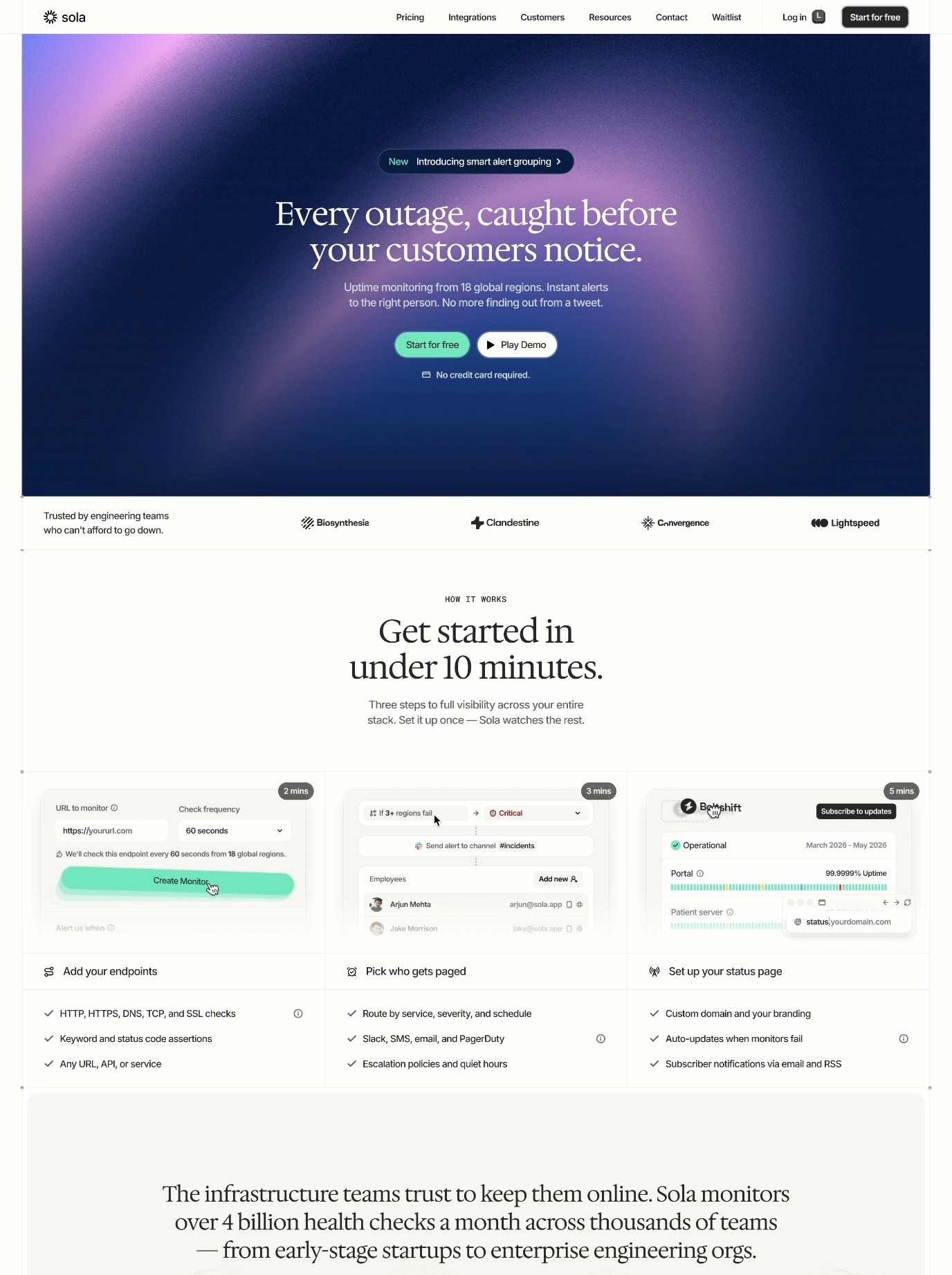
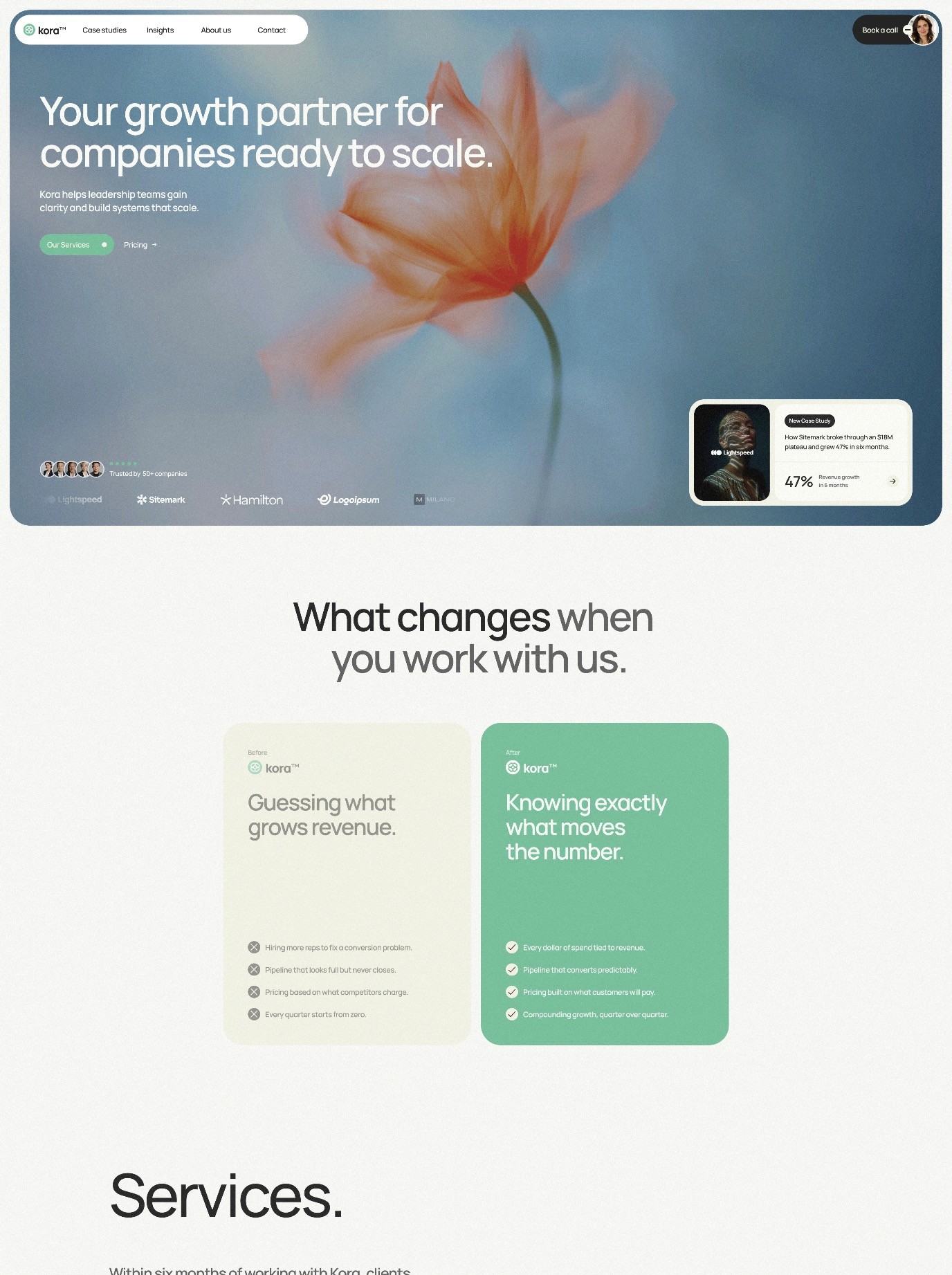
Interactive Website Elements That Boost SaaS Sign-Ups in 2026
The SaaS landscape has transformed dramatically. What once worked—a static hero section, a bulleted feature list, and a call-to-action button—no longer captures attention or converts visitors into customers. In 2026, the most successful SaaS platforms are those that create interactive, engaging experiences that demonstrate value before the sign-up moment arrives.
Static websites have become a competitive disadvantage. When potential customers land on a SaaS site, they're not just reading about your product—they're comparing it mentally against competitors, evaluating whether it solves their problems, and deciding if it's worth their time to sign up. Interactive elements transform this passive experience into an active exploration, allowing prospects to engage with your product's core functionality directly on your landing page.
This shift isn't merely aesthetic. The data is clear: SaaS companies implementing interactive elements report conversion rate improvements ranging from 25% to 70%, depending on the specific implementation and audience. The reason is straightforward—interactive elements reduce friction, build confidence, and create memorable experiences that static content simply cannot match.
Why Static Websites Are Losing the Battle in 2026
The internet has trained users to expect interactivity. Scrolling through a static list of features feels archaic when you could instead manipulate a pricing slider and watch your costs update in real time. The problem with static websites isn't what they show—it's what they fail to allow visitors to do.
Consider the traditional SaaS landing page flow. A prospect arrives, reads some headline text, scrolls through benefits, sees a pricing table, and decides whether to click the sign-up button. At every step, they're making decisions based on incomplete information. They don't know if the features described will actually work for their use case. They can't visualize how the product would integrate into their workflow. They're essentially making a leap of faith.
Interactive websites eliminate this guesswork. By letting visitors test features, configure pricing, and explore capabilities directly on your landing page, you remove the primary barrier to sign-up: uncertainty. When someone has already experienced your product working with their specific parameters, the decision to sign up becomes far less risky in their mind.
There's also a psychological component. Interactive elements signal that a company is innovative and modern. A SaaS platform that invests in interactive tools appears more sophisticated and trustworthy than one relying on static text and images. In 2026, when competent competitors are just a click away, your website's interactivity serves as a signal of your company's overall quality and commitment to user experience.
Interactive Pricing Calculators as Conversion Engines
Pricing remains one of the most critical factors in conversion decisions. Yet traditional pricing tables often hide the real cost. Customers don't just want to see your listed prices—they want to understand what your product will cost for their specific situation. This is where interactive pricing calculators become transformative.
A well-designed pricing calculator allows visitors to input relevant variables—number of users, monthly usage volume, feature tier preferences, or contract length—and see their custom price update in real time. This interaction serves multiple purposes simultaneously. First, it gives prospects the information they need to make an informed decision. Second, it keeps them engaged on your page longer, increasing the likelihood they'll convert. Third, it captures valuable data about their needs, which can inform your follow-up communications.
The most effective pricing calculators use smooth animations and visual feedback to make the interaction feel natural and responsive. When a slider moves and the price updates immediately without any delay or jarring transitions, it creates a sense of control and clarity. Users appreciate being able to experiment with different scenarios and see the financial impact instantly.
Many SaaS companies have also discovered the power of pricing calculators that include estimated ROI or time-to-value metrics. Rather than just showing the monthly cost, these calculators might display how quickly the product pays for itself or how many hours it saves per week. This psychological shift from "cost" to "investment" dramatically improves conversion rates.
Building these calculators in modern design tools is now straightforward. The key is ensuring they're performant and don't slow down your page load times, which we'll discuss further in the performance section.
Live Product Demos Embedded on Landing Pages
One of the most powerful additions to SaaS landing pages in recent years has been the ability to embed interactive product demos directly on the page. Rather than requiring visitors to watch a pre-recorded video or sign up for a demo call, they can now experience the product functioning in real time within their browser.
These embedded demos might include a working interface where visitors can navigate through the core workflow, input data to see how the product processes it, or explore different product states and configurations. The key difference from a video is that viewers have agency—they can interact rather than simply observe.
The psychological impact of interactive demos is substantial. When someone has actually used your product, even for just a few minutes, they're exponentially more likely to sign up. They've already experienced the value proposition firsthand. They understand the interface. They've likely noticed specific features that solve their problems. The demo transforms a prospect into someone who has already started using your product in their mind.
Building these demos presents technical challenges around performance and security, since they typically involve running actual product instances or sandbox environments. However, many SaaS companies have found the conversion lift justifies the investment. Some approaches involve lightweight interactive prototypes rather than full product instances, which provide 80% of the experience with significantly lower complexity.
Interactive Feature Comparison Tools
Feature comparison pages have existed for years, but most remain static tables or lists. Interactive comparison tools take this concept further by allowing visitors to customize comparisons based on their priorities, filter features by category, or highlight the differences most relevant to their use case.
A visitor might arrive at a comparison page wondering how your platform stacks up against three competitors. Rather than scanning a table with dozens of features, they can select "most important features" based on their industry or role. The page then highlights those specific comparisons, filtering out noise and focusing on what matters to them.
Some platforms have implemented comparison tools that let visitors create "feature checklists" of capabilities they need, then show which platforms support each one. This transforms comparison from passive reading into active evaluation. By the time someone completes the checklist, they've often realized which platform best suits their needs—and you want that to be yours.
The conversion impact comes from removing decision friction. When you make it easy for prospects to find information relevant to their specific situation, they're more likely to complete their evaluation and move toward sign-up.
Animated Data Visualizations That Tell Your Story
Static charts and graphs fail to engage. Animated data visualizations, on the other hand, capture attention and communicate complex information in memorable ways. In 2026, the most effective SaaS landing pages use animation not as decoration, but as a storytelling tool that demonstrates value and builds understanding.
Consider a project management tool showing how teams collaborate. Rather than displaying a screenshot of the interface, an animated visualization could show team members' actions appearing in real time—tasks being completed, comments being added, projects progressing. This animation tells a story about efficiency and collaboration that static images cannot convey.
Or imagine a data analytics platform using an animated chart that shows how insights emerge from raw data. As the animation progresses, raw data points transform into meaningful visualizations and actionable insights. This sequence communicates the platform's core value in a way that's both memorable and persuasive.
The key to effective animated visualizations is that the animation must serve the narrative. Animation purely for visual interest often backfires, as it can feel frivolous or slow down the page experience. But animation that clarifies, demonstrates, or tells your product's story becomes a powerful conversion tool.
These visualizations work especially well for metrics-driven products—anything involving data, analytics, performance tracking, or optimization. When prospects can see results visualized in motion, they better understand what success looks like with your platform.
Personalized CTAs Based on User Behavior
Not all visitors are the same, yet most websites use identical calls-to-action for everyone. Personalized CTAs that adapt based on how visitors are behaving on your site can dramatically improve conversion rates.
A visitor who has spent three minutes exploring your pricing page has different needs than someone who just arrived and viewed only your hero section. The former has clear interest and might respond well to a "Start Your Free Trial" CTA, while the latter might benefit more from "See How It Works." Advanced analytics and behavioral tracking allow you to customize messages, button text, and even form fields based on user actions.
Personalization extends beyond just CTAs. The entire page experience can adapt. A visitor from a specific industry might see use cases relevant to their sector. Someone visiting from a competitor's site might see comparison information. A returning visitor might see different messaging than a first-time visitor. These adaptations, while sometimes subtle, accumulate into meaningful conversion improvements.
The technology enabling this behavior-based personalization has become accessible even for smaller SaaS teams. Web components, custom code, and conditional rendering make it possible to implement personalized experiences without massive complexity.
ROI Calculators and Value Estimators
Perhaps no interactive tool drives SaaS sign-ups as effectively as an ROI calculator that quantifies the business value of your product. When a prospect can input information about their current situation and see specific numbers around how much time your product saves them or how much money it makes them, the decision to sign up becomes significantly easier.
An effective ROI calculator doesn't make general claims. Instead, it asks specific questions about the prospect's situation—current team size, hours spent on manual tasks, hourly cost of labor, number of customers, average deal size—and uses those inputs to calculate personalized ROI. The results are specific to their business, not generic numbers applying to everyone.
The most persuasive ROI calculators present results in multiple formats. Show the annual savings in dollars. Show the number of hours saved per week. Show the percentage productivity increase. Show the timeline to payoff. By presenting the value from different angles, you dramatically increase the likelihood that at least one metric resonates with the prospect and motivates sign-up.
Building these calculators requires careful attention to the logic and calculations. Overestimating ROI erodes trust and leads to disappointed customers. Conservative, credible estimates drive better long-term results because they set realistic expectations that customers can exceed.
Building Interactive Elements in Framer
The technical implementation of interactive elements has become far more accessible. Design tools like Framer have eliminated the barrier between designers and interactive experiences, allowing teams to build sophisticated interactions without extensive custom code.
Framer's component system allows you to create reusable interactive elements that can be deployed across your entire site. A pricing calculator component, once built, can be dropped into your pricing page and instantly functions. The interaction logic—sliders updating prices, form inputs triggering calculations—can be handled through Framer's visual interaction tools or through custom code overrides for more complex scenarios.
For teams needing advanced functionality, Framer supports custom code that can integrate with your backend systems. This enables scenarios where interactive elements pull real-time data, calculate based on complex business logic, or integrate with your SaaS platform itself to show live information.
Performance optimization is crucial when building in Framer. Interactive elements should use lazy loading techniques, code splitting, and efficient animations to ensure your page doesn't become bloated. Framer's built-in optimization features help, but careful architecture decisions during initial design matter significantly.
The flexibility of Framer means you're not limited to pre-built components. You can create custom interactions tailored to your specific product and audience. This customization often yields better results than generic solutions, since the interactive elements can be precisely designed to match your value proposition and user needs.
Advanced Interaction Techniques and Code Overrides
Beyond the basics, Framer's code override system enables sophisticated interactions that rival custom-built web applications. Code overrides allow developers to write custom JavaScript logic that controls element behavior, making it possible to create complex, interactive experiences without rebuilding everything from scratch.
A practical example: an interactive product feature explorer could use code overrides to dynamically generate content based on user selections, filter feature lists in real time, or integrate with your backend API to show real-time information. The design remains manageable in Framer's visual interface, while the code handles the complex logic.
Animation controllers and gesture detection allow for sophisticated interaction patterns that respond to scrolling, mouse movement, or touch input. A data visualization might animate based on scroll position, revealing information progressively as the visitor scrolls down the page. These responsive animations feel natural and guide attention to the most important information.
The key to effective code overrides is balancing visual design with code logic. The best interactive experiences use Framer's visual tools for layout and basic interactions, while reserving code overrides for scenarios where custom logic provides meaningful value to the user experience.
Measuring Conversion Impact of Interactive Elements
Implementing interactive elements without measuring their impact is a missed opportunity. To understand whether your investments are yielding returns, you need clear metrics and comparison baselines.
Before deploying an interactive element, establish your baseline metrics. What's your current conversion rate to sign-up? How long do visitors spend on the page? What's the bounce rate? Once you have these baseline numbers, implement your interactive element and monitor how these metrics change.
More granular measurement involves tracking interactions with the specific element. How many visitors interact with your pricing calculator? What percentage of people who use the calculator convert versus those who don't? These comparisons often reveal surprising insights about which interactive elements truly drive conversion versus those that are more decorative.
Cohort analysis provides additional insights. Compare the conversion rate of visitors who engaged with interactive elements to those who didn't. Analyze which types of visitors find which elements most valuable. An interactive demo might resonate with technical visitors while a pricing calculator might be more valuable to finance stakeholders.
Multivariate testing allows you to optimize interactive elements. Does a pricing calculator with a dollar slider convert better than one with a user count slider? Does an ROI calculator showing yearly savings perform better than one showing monthly savings? Small variations can yield meaningful differences in conversion outcomes.
Long-term customer tracking provides perhaps the most valuable insights. Do customers acquired through interactive elements become better customers? Do they churn less? Do they have higher lifetime value? If interactive elements attract the right customers, the impact extends far beyond initial sign-up metrics.
Performance Considerations and Best Practices
Interactive elements, when poorly implemented, can slow down your site dramatically. In 2026, when page speed directly impacts conversion rates and search rankings, performance optimization is not optional. Every interactive element you add must be justified by the user experience and conversion benefits it provides.
The primary performance challenge with interactive elements is bundle size. Each interactive component adds code—the logic that makes it interactive, the libraries it depends on, the animations it performs. A page loaded with many interactive elements can easily exceed 1-2 MB of JavaScript, which on slower connections means several seconds of load time before the page becomes fully interactive.
Smart loading strategies help mitigate this challenge. Lazy loading defers the loading of interactive elements until they're needed—when a visitor scrolls to them or explicitly initiates the interaction. This means the above-the-fold content loads instantly, allowing the page to feel responsive while heavy interactive elements load in the background.
Code splitting breaks your JavaScript into smaller chunks that load only when needed. Rather than bundling all interaction logic into one massive file, you can load only the code relevant to the current page section. This technique, supported by modern build tools and most design-to-code platforms, significantly improves performance without sacrificing functionality.
Animation performance requires particular attention. Inefficient animations that trigger constant repaints and layout recalculations can tank page performance. GPU-accelerated animations that use transforms and opacity changes perform far better than animations that modify dimensions or positions. Modern tools like Framer optimize animations by default, but it's worth understanding these principles when building custom interactions.
Regular performance audits should accompany any expansion of interactive elements. Tools like Lighthouse and Web Vitals monitoring reveal whether your interactive elements are impacting page speed negatively. Sometimes the solution is optimization—making the element more efficient. Other times, it's removing elements that provide minimal conversion benefit but significant performance cost.
Personalization at Scale
As your SaaS grows, personalization becomes increasingly important. What works for one user segment might not work for another. Advanced implementations dynamically adjust which interactive elements appear, how they function, and what messaging they display based on visitor characteristics.
Segment-based personalization uses information about the visitor—their industry, company size, job title, or referral source—to customize the experience. A visitor from an enterprise arriving at your site sees different interactive elements than someone from a startup. An engineering manager sees different comparisons than a non-technical founder.
Behavioral personalization tracks how visitors use your site and adapts in real time. If someone has interacted with your ROI calculator, maybe you now show them customer testimonials. If someone has viewed your comparison page three times, a targeted CTA might appear offering a personalized demo. These adaptations make the experience feel tailored and increase conversion probability.
Implementing this scale of personalization requires backend infrastructure that Framer can integrate with through APIs and webhooks. The design tools provide the interface, but your backend systems supply the logic that determines what each visitor sees. This balance between design flexibility and backend power enables personalization that actually moves conversion metrics.
Interactive Elements Across the Customer Journey
Interactive elements aren't just for landing pages. The most sophisticated SaaS platforms use strategic interactions throughout the entire customer journey—from initial awareness through sign-up, onboarding, and beyond.
On awareness-stage content like blog posts and guides, interactive elements might include infographics that visitors can manipulate, self-assessment quizzes that help prospects understand their needs, or interactive case studies showing specific customer scenarios. These elements make educational content more engaging and help prospects see themselves in your solution.
On consideration-stage pages like feature comparisons and pricing, interactive elements shift toward demonstrating value. Pricing calculators, feature explorers, and ROI estimators help prospects evaluate whether your solution is right for them. These elements build confidence in the purchase decision.
Post-sign-up, interactive tutorials and onboarding flows help new customers understand your product. Interactive walkthroughs that guide users through core workflows reduce churn by accelerating time-to-value. These elements use the same principles as marketing interactive elements but in service of customer success rather than conversion.
When you view interactive elements as part of a coordinated journey rather than isolated features, their combined impact exceeds what any single element could achieve. A prospect interacting with a quiz on your blog, then exploring a comparison on your site, then seeing a personalized demo, then completing an ROI calculator arrives at sign-up with high confidence and clear understanding of value.
Common Mistakes to Avoid
As interactive elements have become more accessible, some common pitfalls have emerged. Understanding these mistakes helps you implement interactive features effectively without damaging your conversion rates.
The first mistake is adding interactive elements without clear strategic purpose. If an element looks cool but doesn't drive conversion or engagement, it's not worth the technical debt and performance cost. Every interactive element should serve a specific purpose—reducing friction, demonstrating value, or personalizing the experience. If you can't articulate why it exists, reconsider whether it should.
The second mistake is optimizing for aesthetics over usability. A visually impressive interaction that's confusing or hard to use damages your conversion rates. Interactions should feel intuitive—visitors shouldn't need instructions to understand how to use them. Test with real users to ensure interactions are clear and natural.
The third mistake is ignoring performance implications. Interactive elements that slow your site dramatically are counterproductive. A pricing calculator that takes three seconds to load, a demo that jams up your page with JavaScript, or an animation that causes layout jank actively harms conversion. Always balance interactivity with performance.
The fourth mistake is failing to test variants and measure impact. Assumptions about what will work often prove wrong. Interactive elements that seem obviously valuable sometimes underperform. Elements you didn't expect to help sometimes drive surprising improvements. Data-driven iteration beats assumptions every time.
The fifth mistake is implementing interactions inconsistently across your site. If your pricing page has an interactive calculator but your blog pricing comparison post uses a static table, the inconsistency feels jarring. Consistent interaction patterns throughout your properties create a cohesive, professional experience.
Future Trends in Interactive SaaS Experiences
As we move deeper into 2026, certain trends in interactive website elements are becoming clearer. AI-powered personalization increasingly drives dynamic content creation and visitor segment identification. Rather than manually creating personalized experiences for each segment, AI systems analyze visitor behavior and automatically serve the most relevant content and interactions.
Voice and gesture interactions are becoming more common, particularly as devices with motion sensors and voice assistants proliferate. SaaS landing pages may eventually support voice-activated tours or gesture-based feature exploration, particularly on mobile devices.
WebGL and 3D visualizations are becoming more accessible to non-specialized developers. Rather than just 2D animations, SaaS sites might feature interactive 3D product visualizations that visitors can rotate, zoom, and manipulate. These immersive experiences can be particularly powerful for visualizing complex system architectures or spatial relationships.
Progressive disclosure, where information reveals based on user interaction and behavior, continues to evolve. Rather than overwhelming visitors with all information upfront, sophisticated SaaS sites show only what's immediately relevant, with additional details available based on user interest and behavior.
The frontier of interactive SaaS experiences remains the integration of these elements with actual product data and real-time information. Rather than static pricing calculators, imagine one that pulls real-time pricing from your backend. Rather than a generic ROI calculator, imagine one that connects to the visitor's actual data and provides truly personalized insights. As integrations improve, this level of sophistication becomes increasingly feasible.
Building Your Interactive SaaS Strategy
If you're contemplating adding interactive elements to your SaaS landing pages and marketing sites, start with a clear strategic assessment. Which conversion barriers does your target audience face? What information do they need to confidently sign up? Which interactive elements would best address those barriers?
For most SaaS companies, a pricing calculator or ROI estimator should be the first interactive element, as pricing is a primary conversion barrier. This provides immediate value without requiring extensive technical complexity.
As you develop experience and see results, expand to interactive feature comparisons, embedded product demos, and personalized CTAs. Each addition should be measured and justified by the conversion impact it delivers.
Consider using platforms like Framer that democratize interactive experience development. You don't need to hire specialized interaction designers or maintain custom code for every interactive element. Modern design tools allow you to iterate quickly, test variants, and measure impact without extensive engineering resources.
The companies leading SaaS markets in 2026 understand that static websites are now the disadvantage. By strategically deploying interactive elements that remove friction, demonstrate value, and personalize the experience, you can dramatically improve conversion rates and build stronger relationships with customers before they even sign up.
For deeper guidance on optimizing your SaaS landing pages, explore resources on building high-converting pages in Framer and SaaS landing page templates that work. If you're considering which platform to build with, why startups choose Framer for their first website provides insight into the tools enabling modern interactive experiences. Additionally, improving conversion rates covers complementary strategies that work alongside interactive elements.
The shift toward interactive, engaging SaaS websites isn't a trend that will fade. It's a fundamental change in how prospects evaluate products and make sign-up decisions. By embracing this shift and strategically deploying interactive elements, you position your SaaS for stronger conversion performance and more meaningful engagement with potential customers.