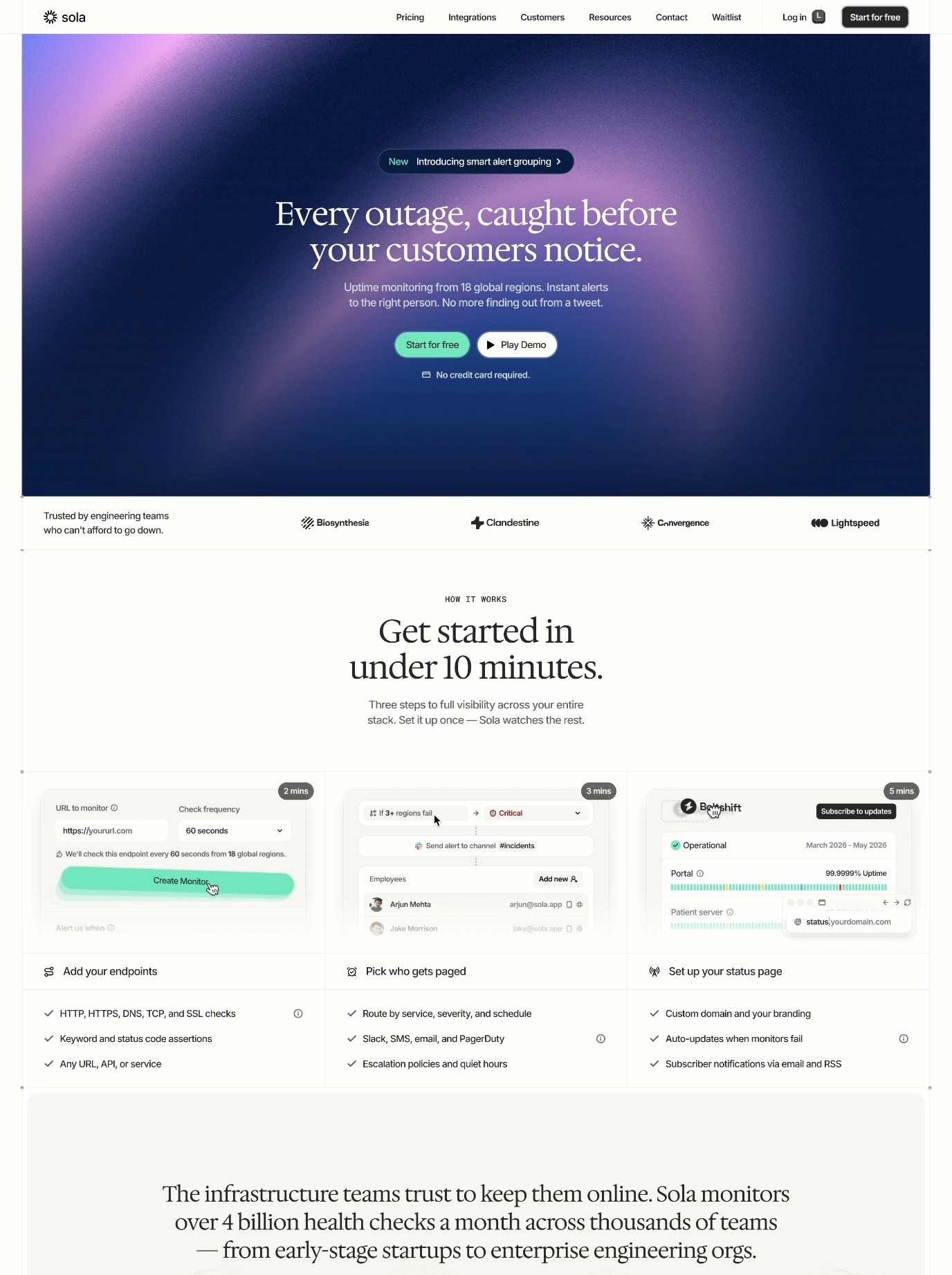
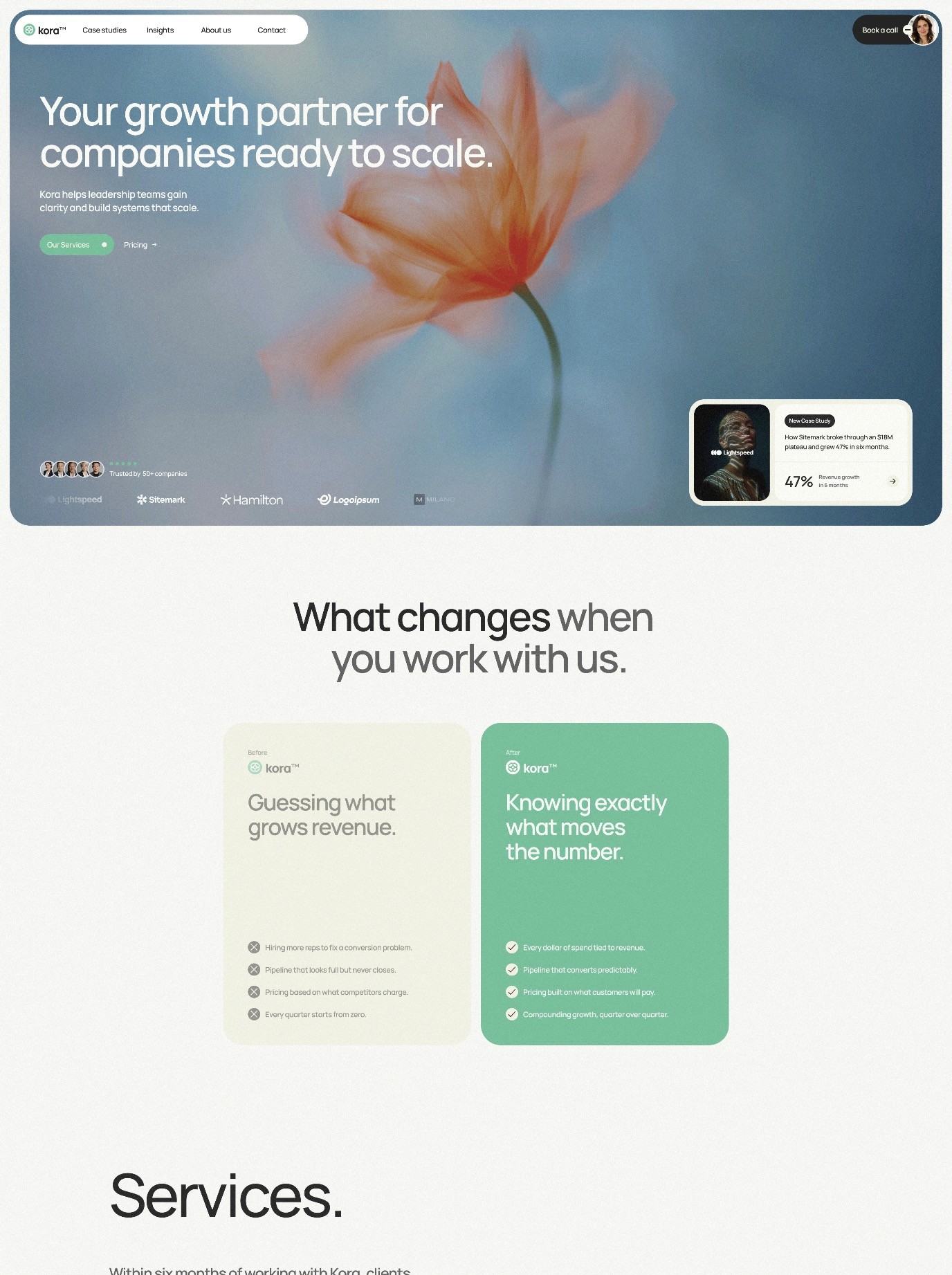
The Startup Website Dilemma: Speed Meets Professionalism
Every startup founder faces the same challenge: you need a website immediately. Your investors expect one. Your potential customers are searching for you. Your competitors already have one. But here's the catch—you don't have a $15,000 budget for a web developer, you don't have a design team, and you certainly don't have six months to wait for a custom build.
This is the startup website dilemma. You need something that looks polished and professional, converts visitors into customers, and doesn't drain your limited resources. You need it done fast, but it has to be right.
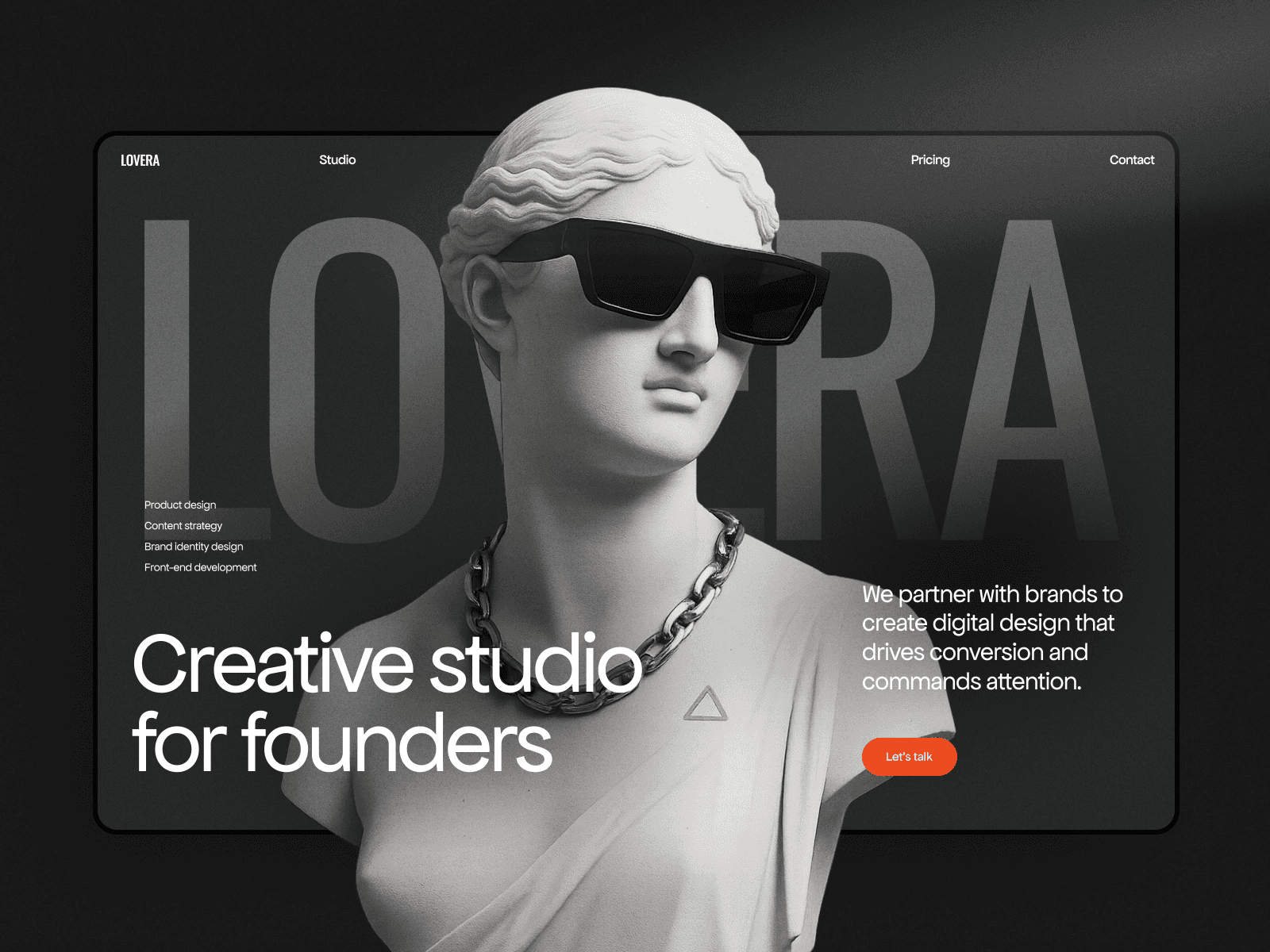
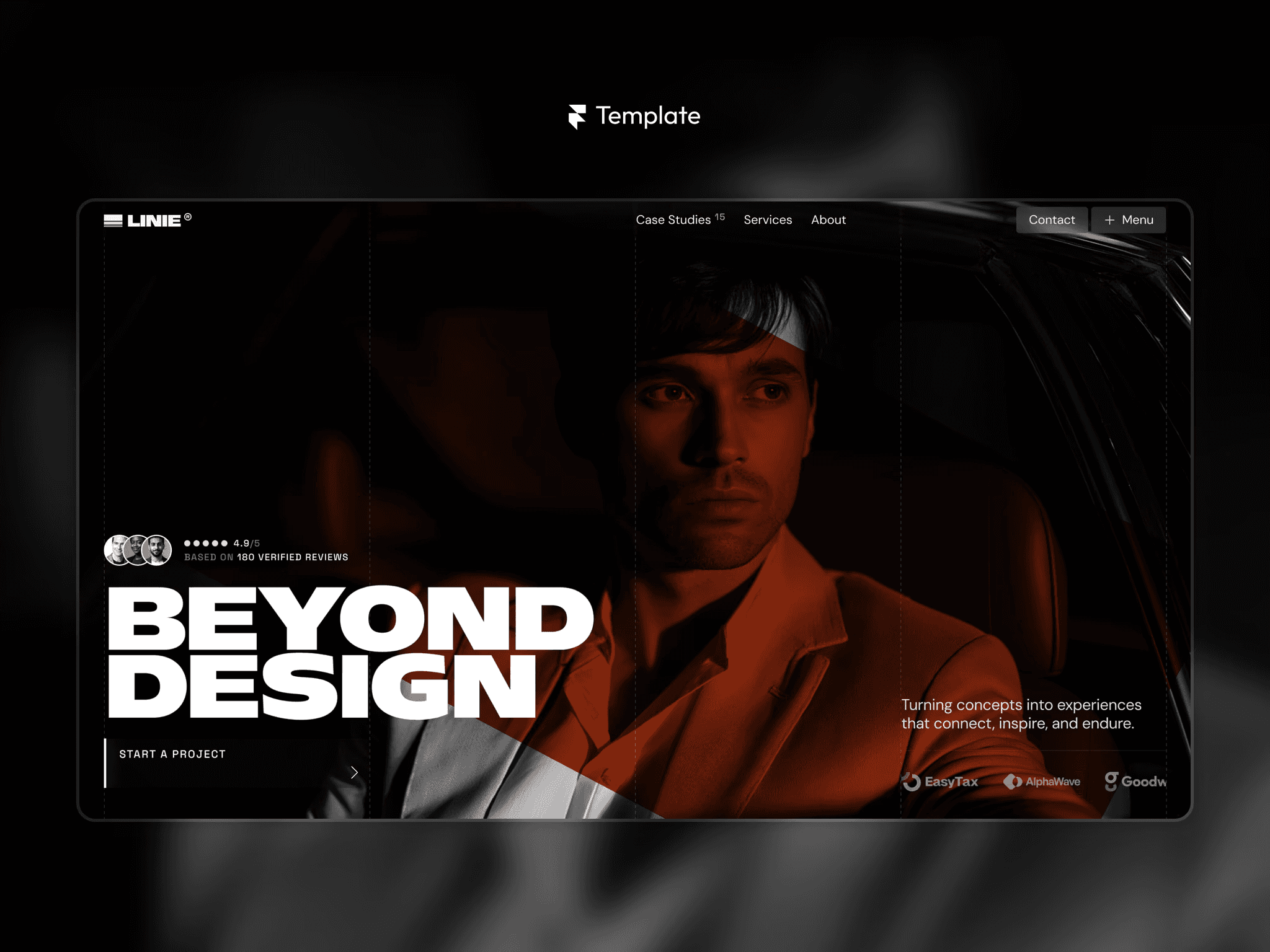
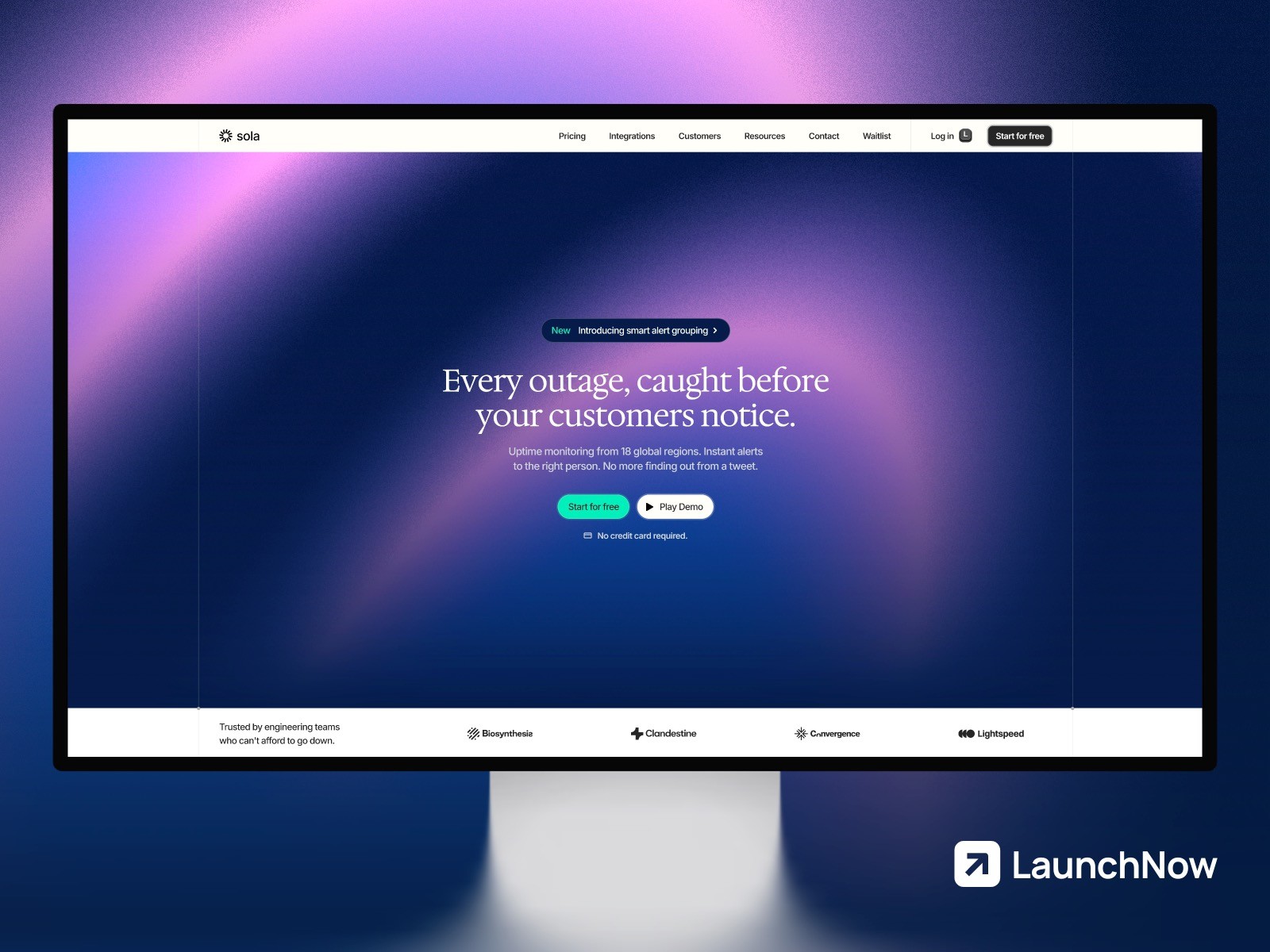
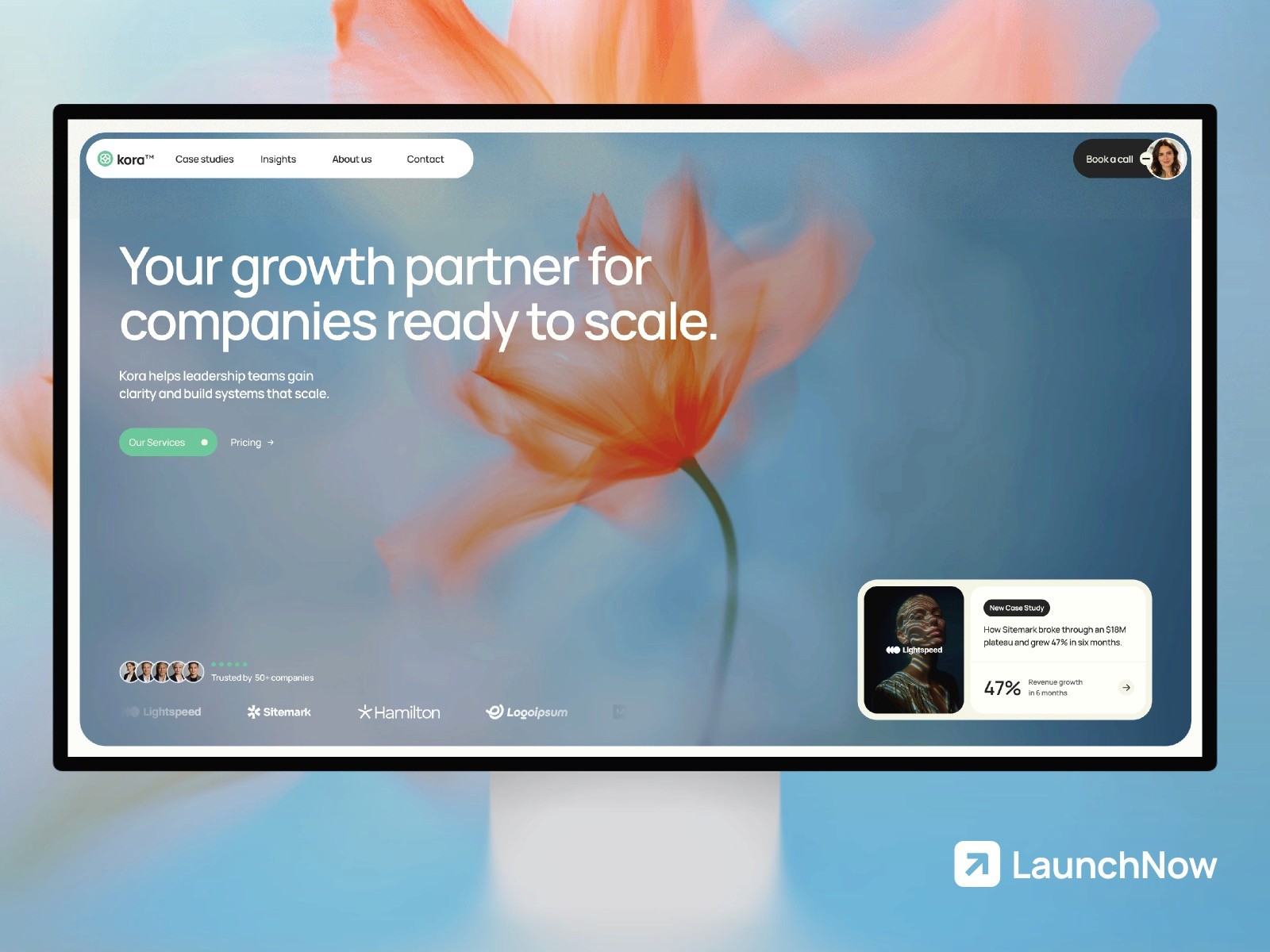
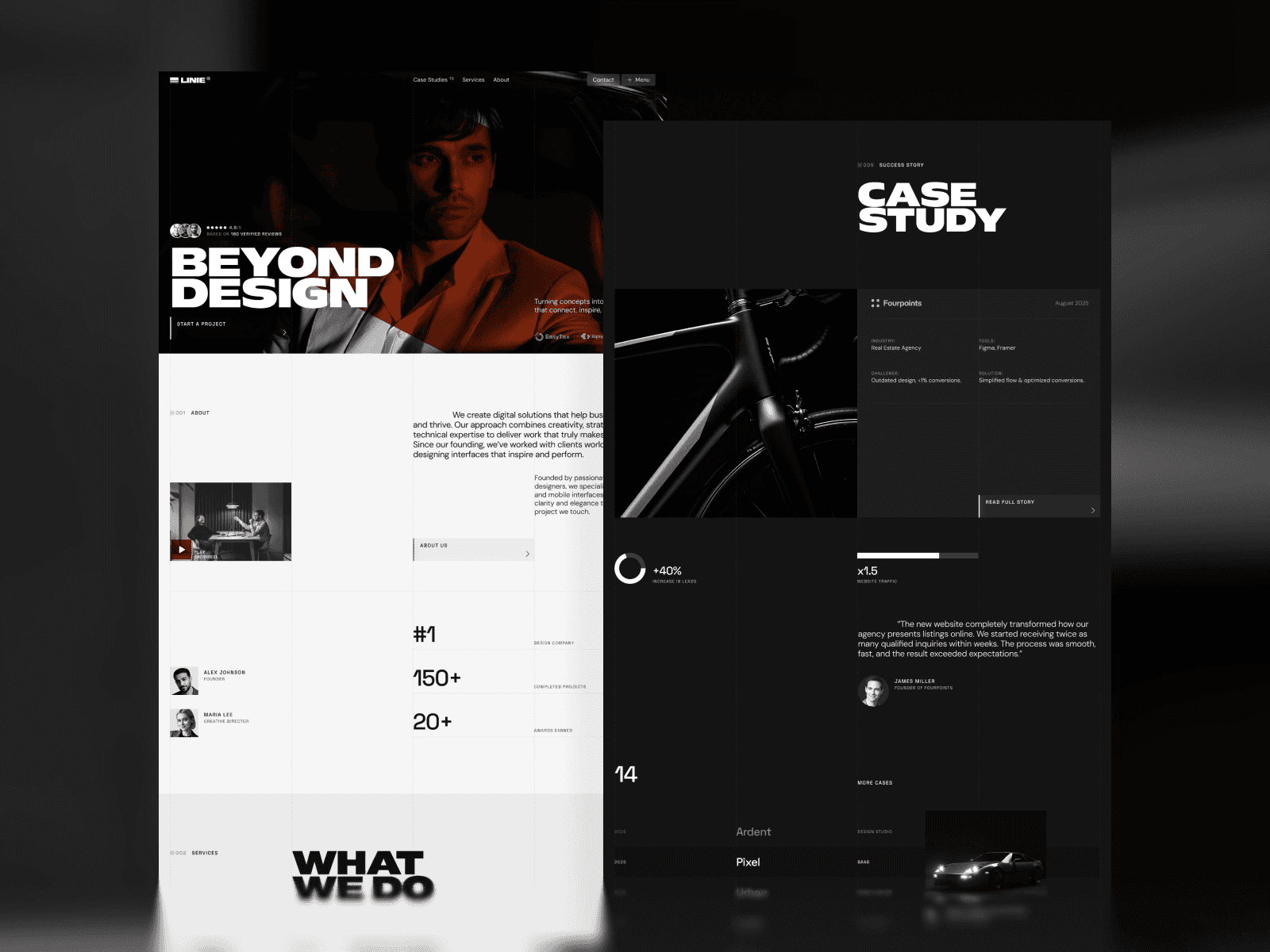
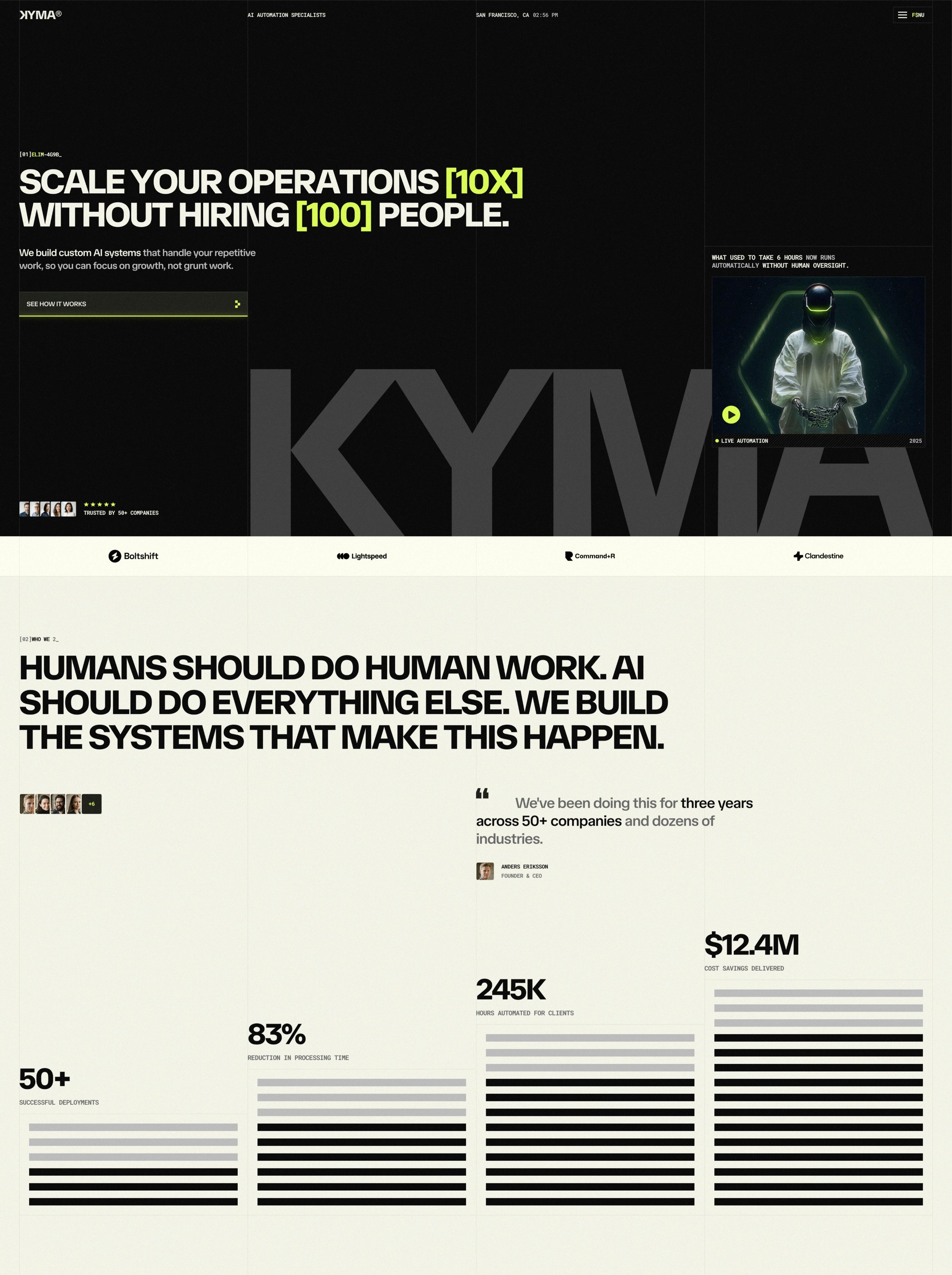
For an increasing number of startups in 2026, the answer is Framer. What was once considered a design tool for agencies has quietly become the go-to platform for early-stage founders who need their first website launched in days, not months. The statistics back this up: startups using Framer for startups solutions report launch times 10x faster than traditional development, with professional results that don't require a technical background.
This article explores why startups are ditching the developer-dependent route and building with Framer instead.
Speed to Market: Why Framer Lets Startups Launch in Days, Not Months
Time is your most valuable asset as a startup founder. Every day your website isn't live is a day you're missing potential customers, delaying investor conversations, and falling behind competitors.
Traditional web development is slow. You hire a developer (or agency), wait for availability, go through design revisions, manage scope creep, and hope the final product matches your vision. The timeline? Usually 8-16 weeks minimum. For a startup, that's an eternity.
Framer flips this script. With Framer startup templates, you can have a live website in 48 hours. Here's how:
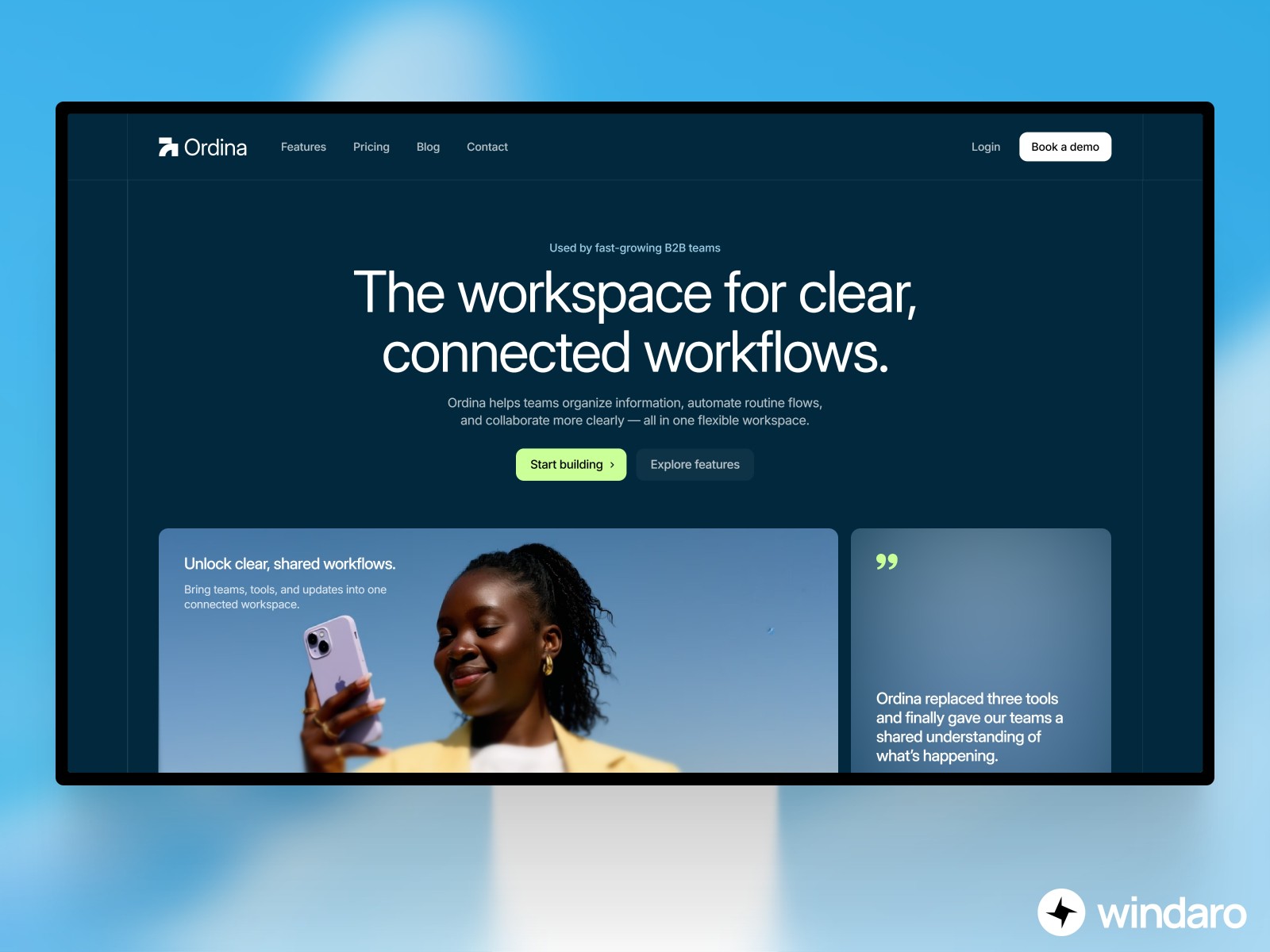
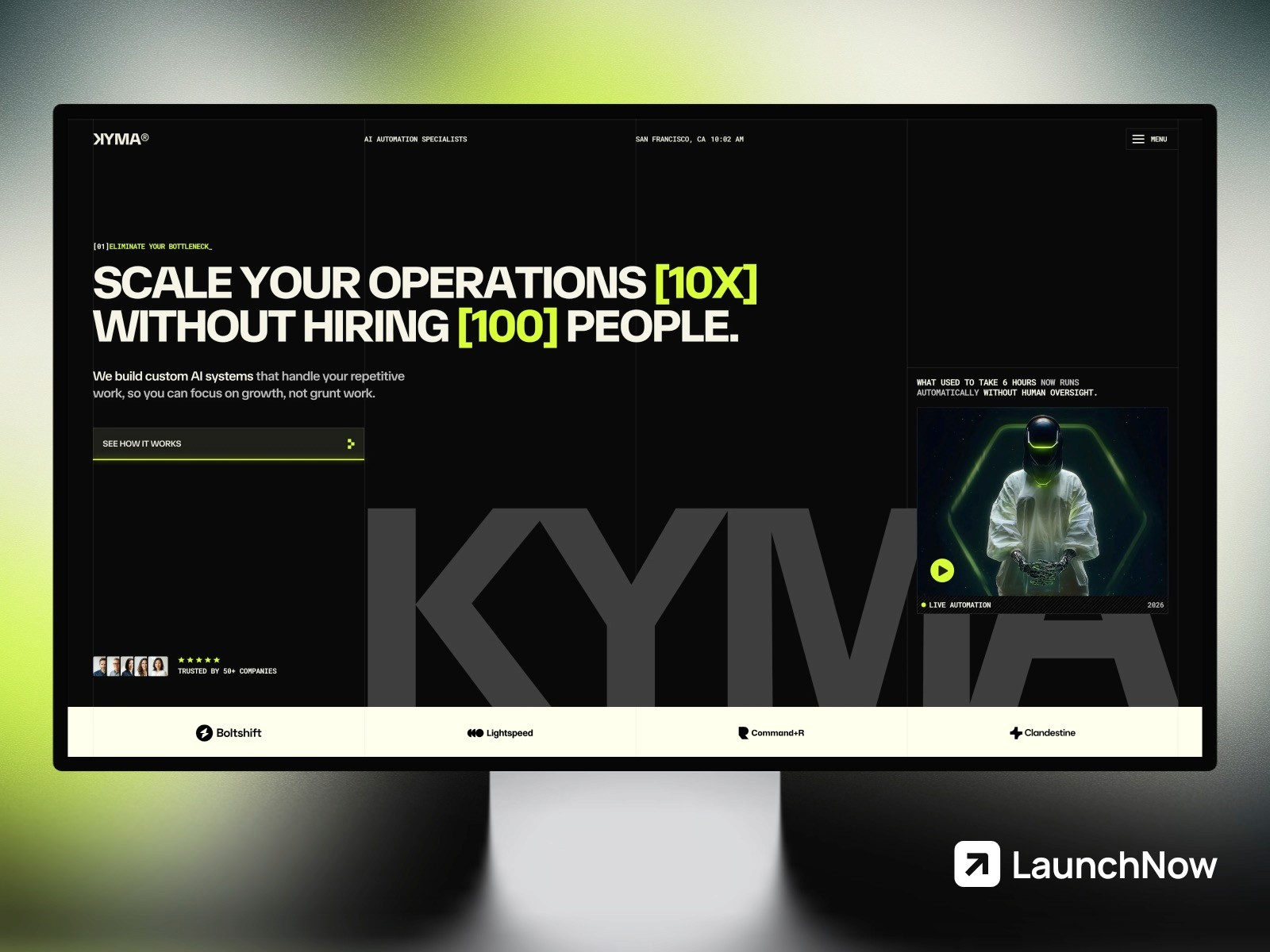
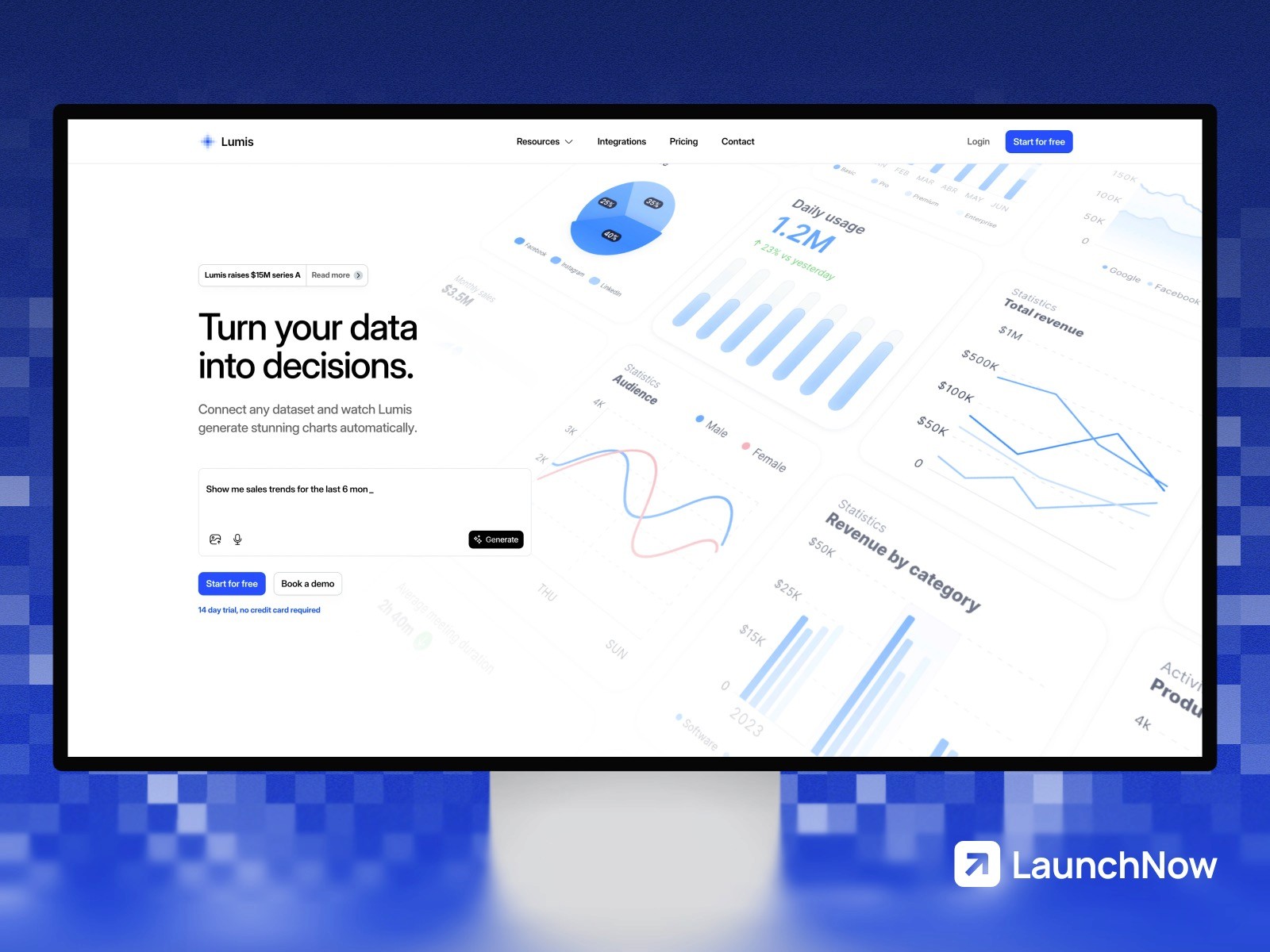
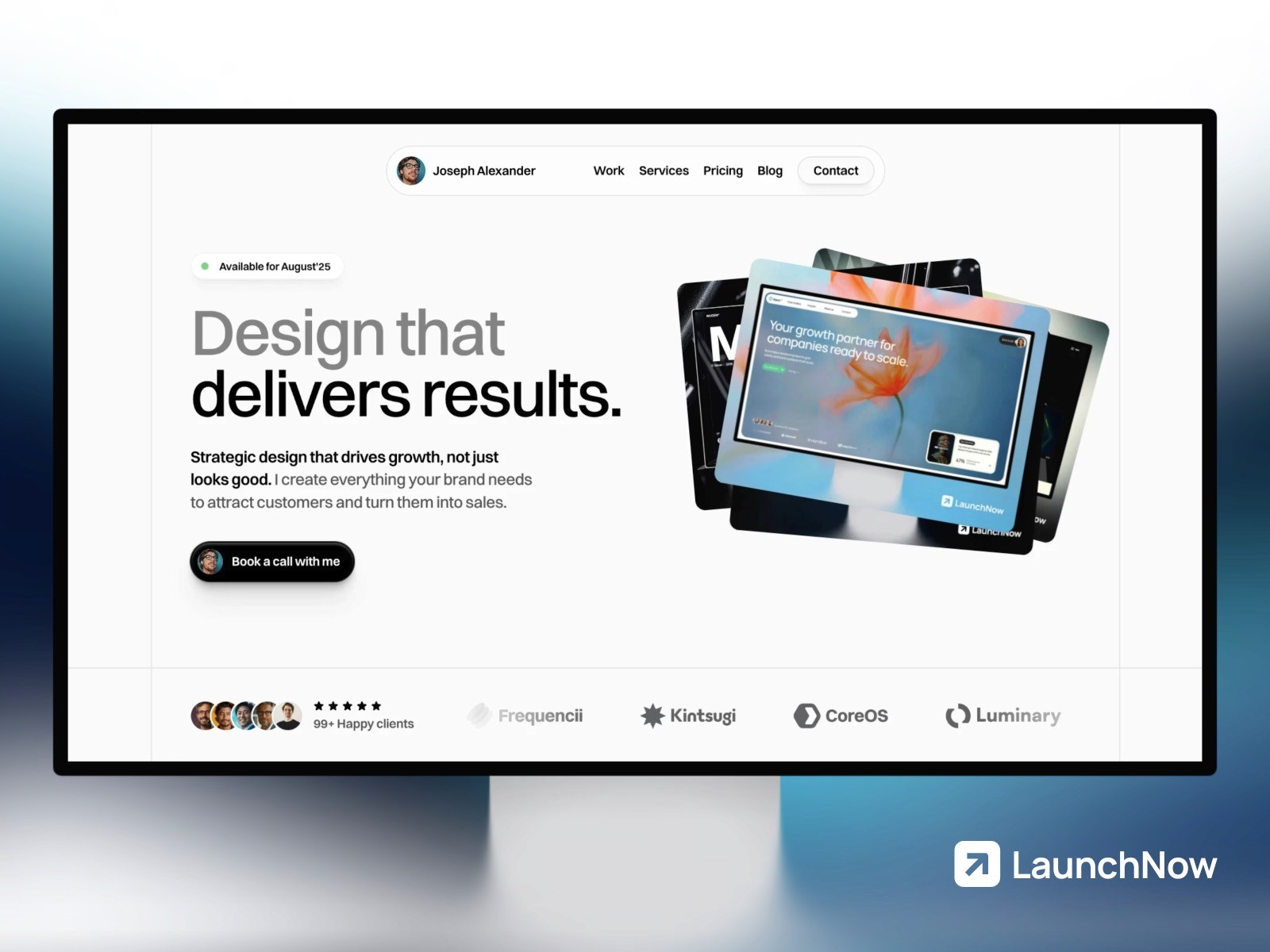
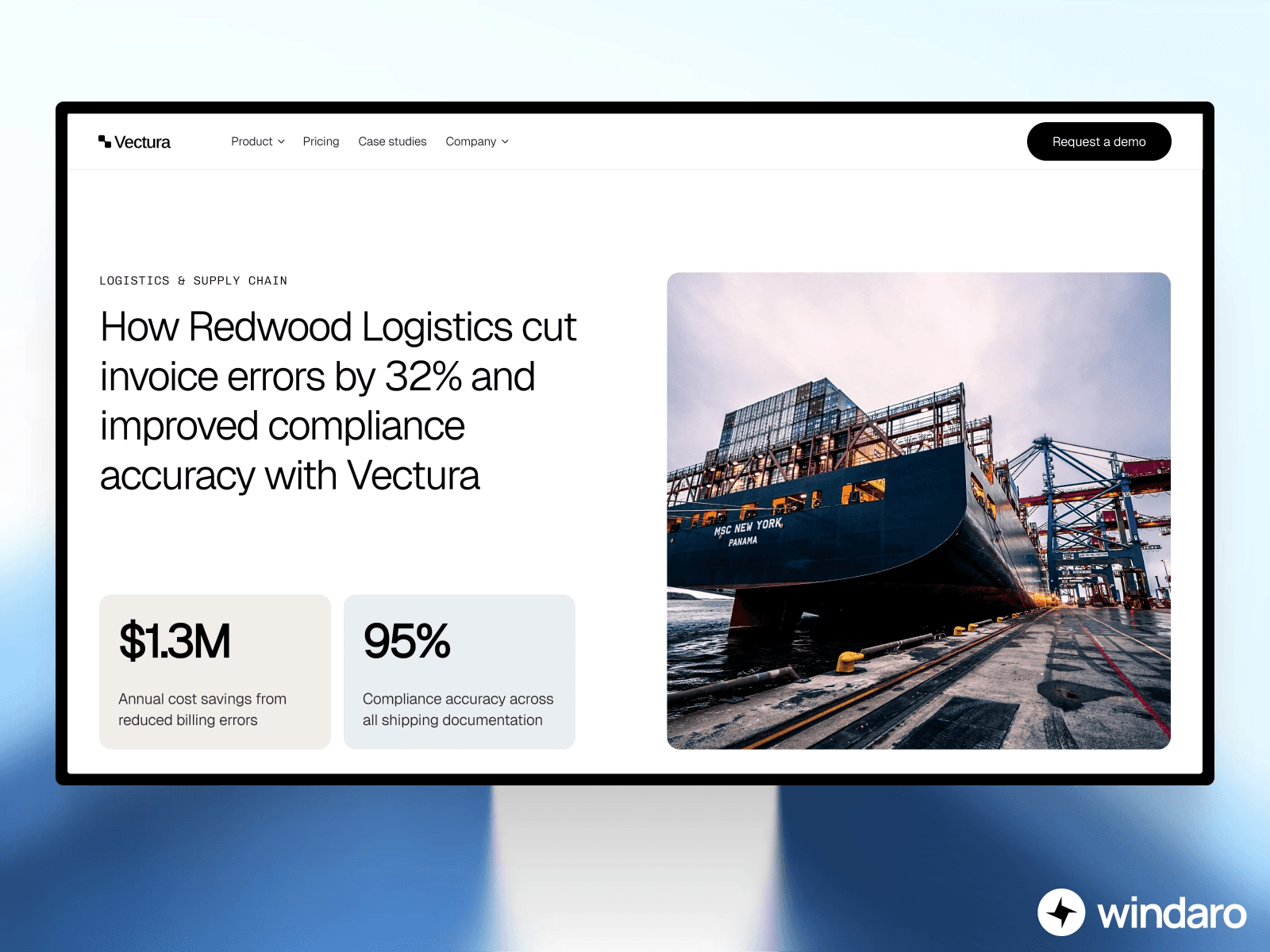
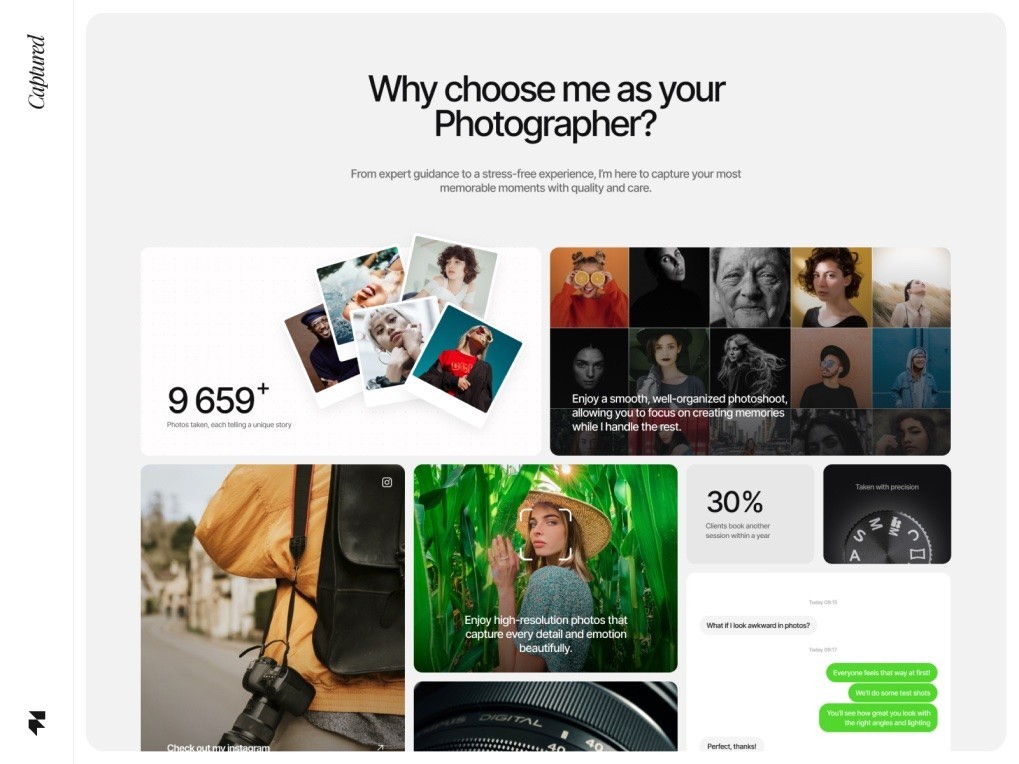
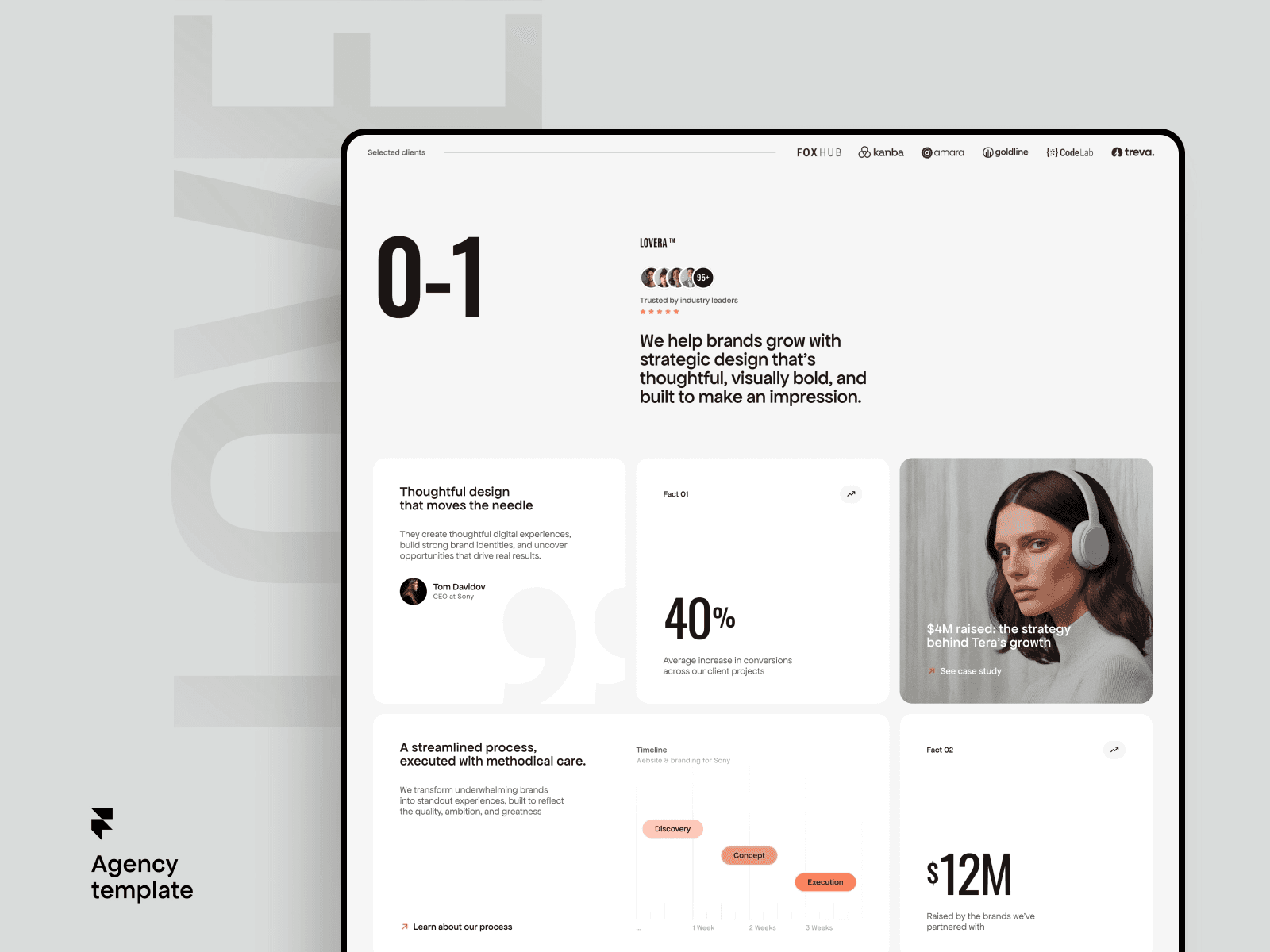
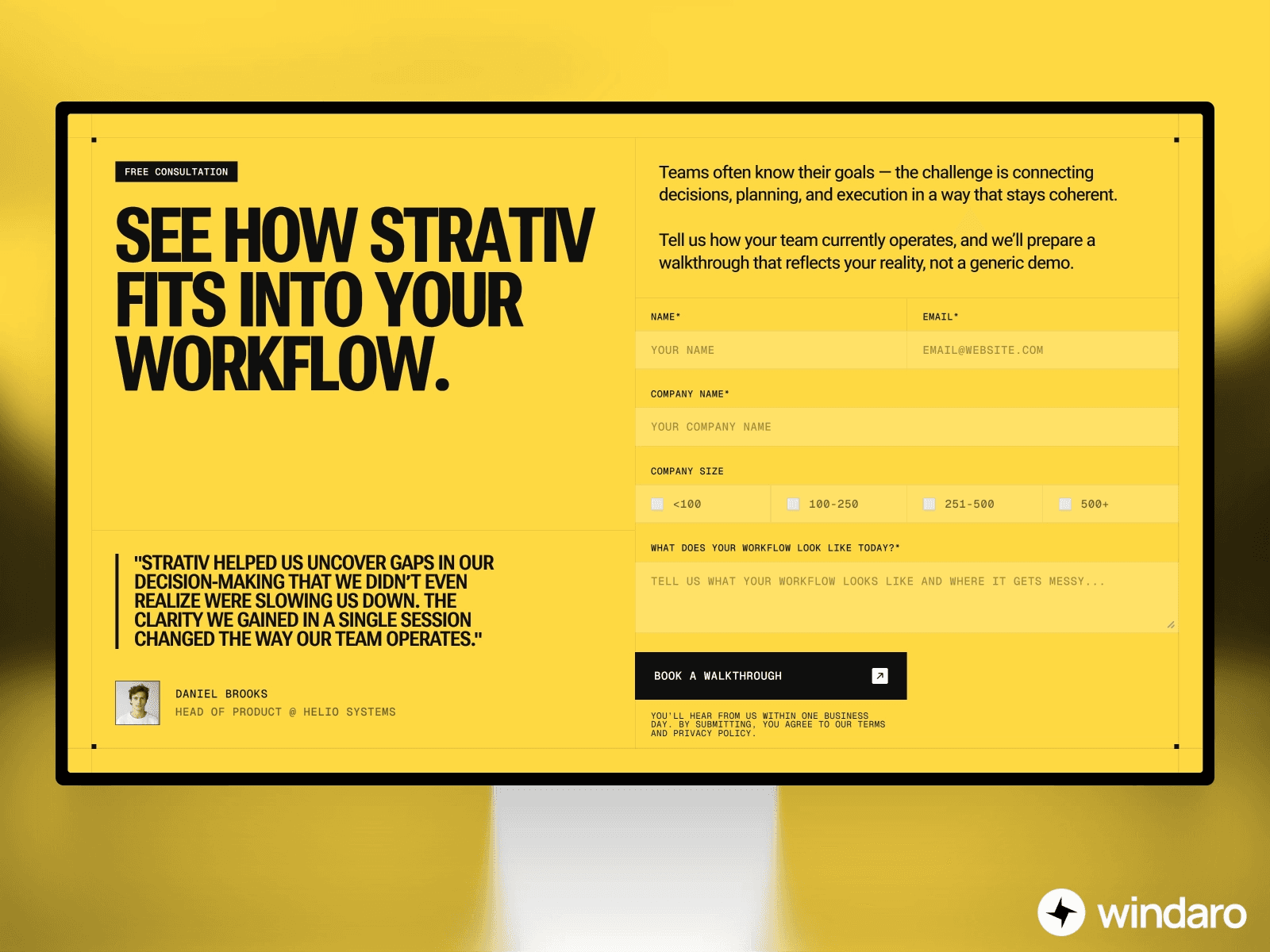
Start with a template: Choose from dozens of startup-optimized templates designed specifically for SaaS, product launches, and service-based businesses.
Customize in the visual editor: No code required. Drag, drop, and design using Framer's intuitive interface.
Deploy instantly: Hit publish and your site is live on a fast CDN with a custom domain.
Update anytime: Made a mistake? Want to add a new section? Changes publish in real-time without downtime.
This "hours, not months" approach isn't just a nice-to-have for startups—it's a competitive advantage. You can validate your product narrative faster, respond to market feedback quickly, and iterate on your messaging without waiting for a developer's next available sprint.
Design Quality Without a Design Team
Professional design used to require hiring a designer. Now, startups are getting professional results without adding headcount.
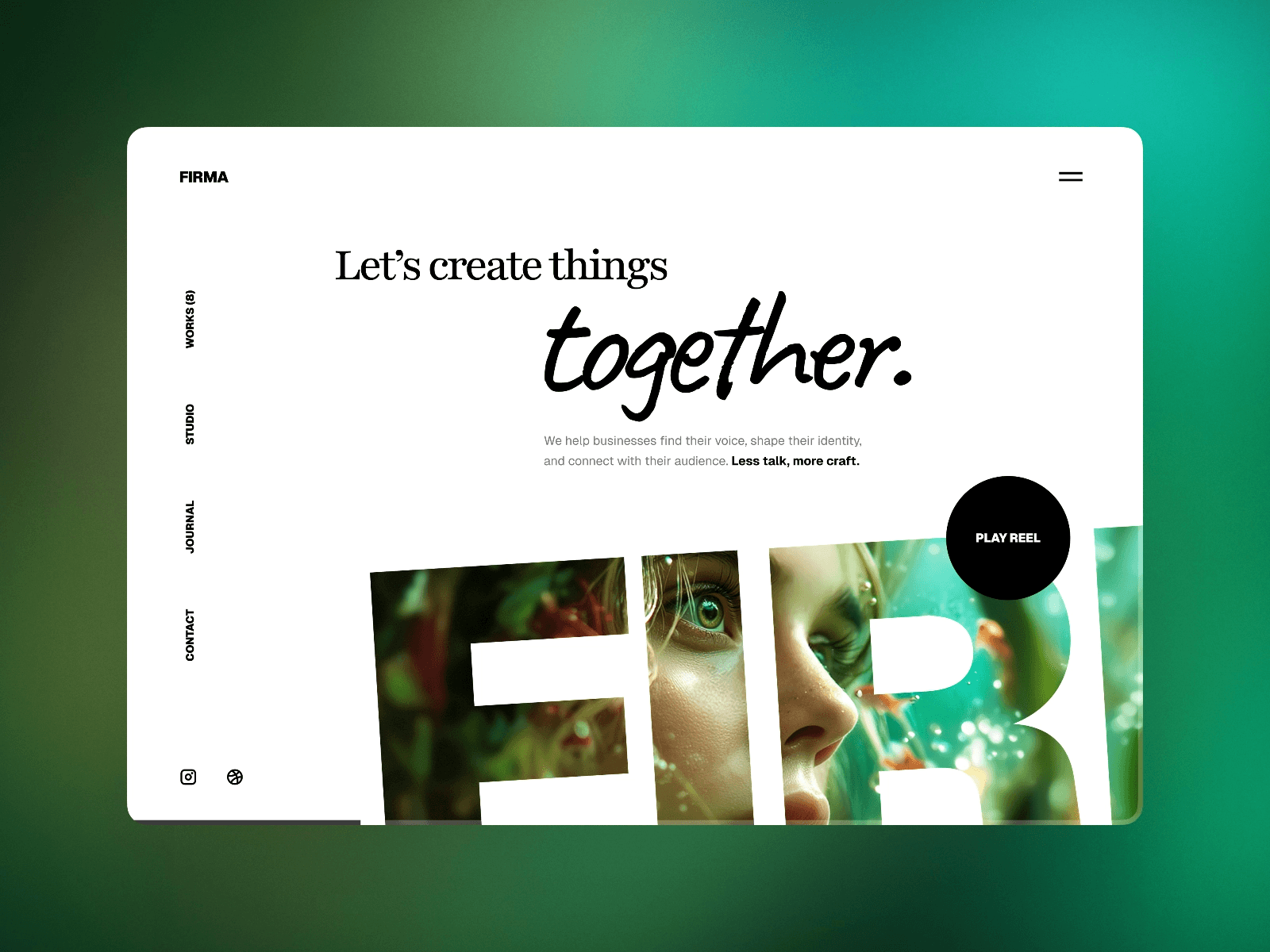
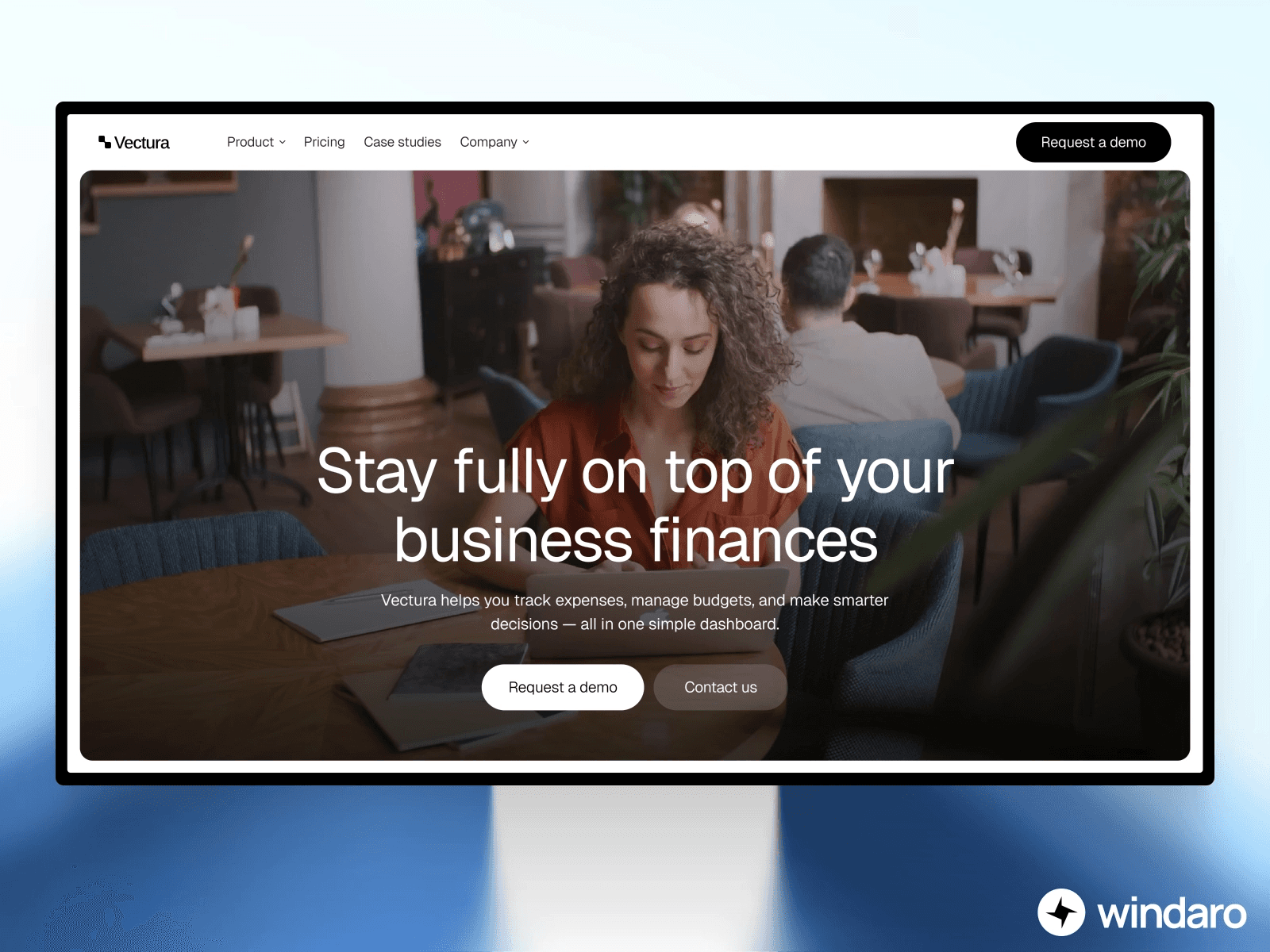
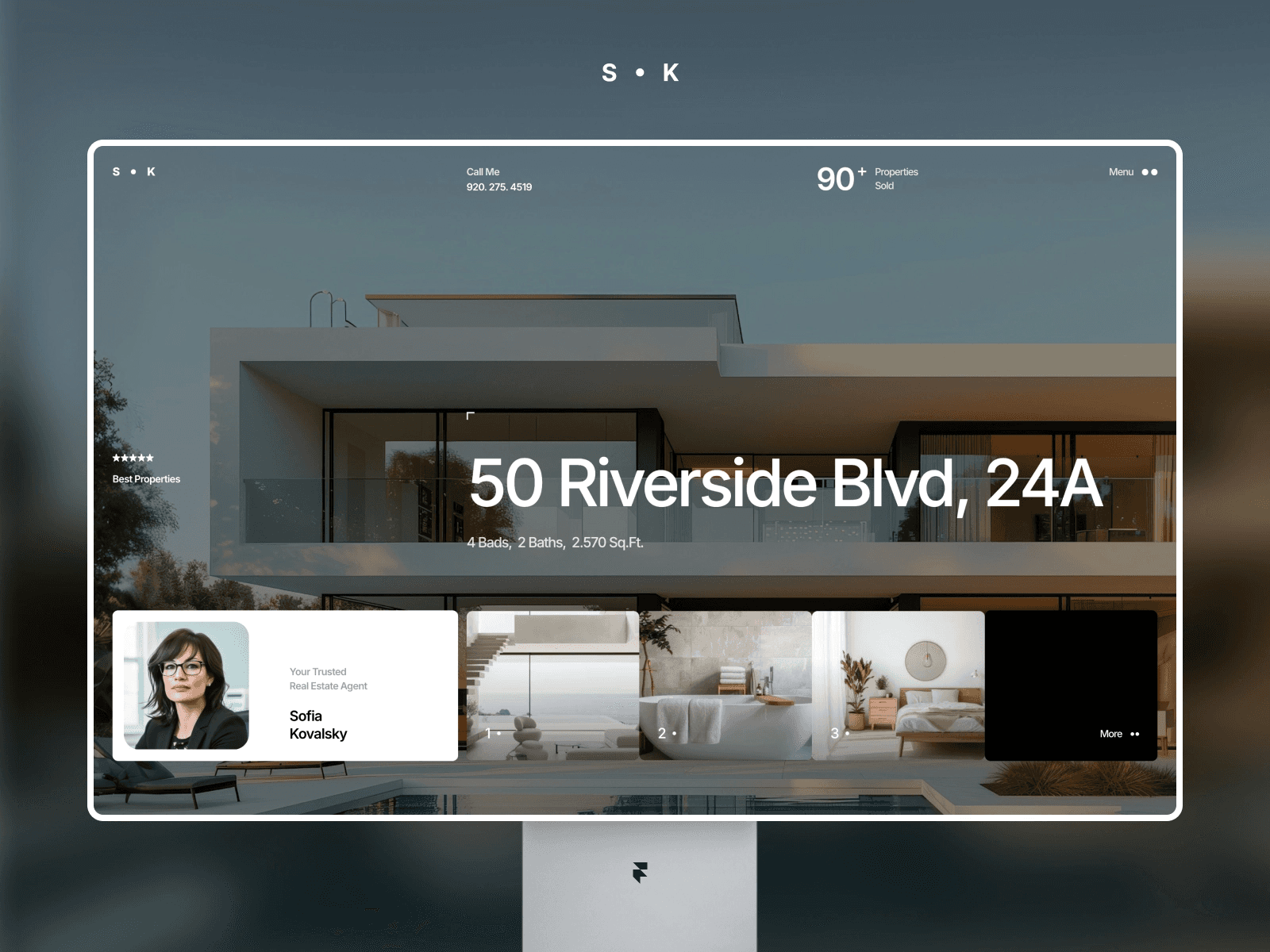
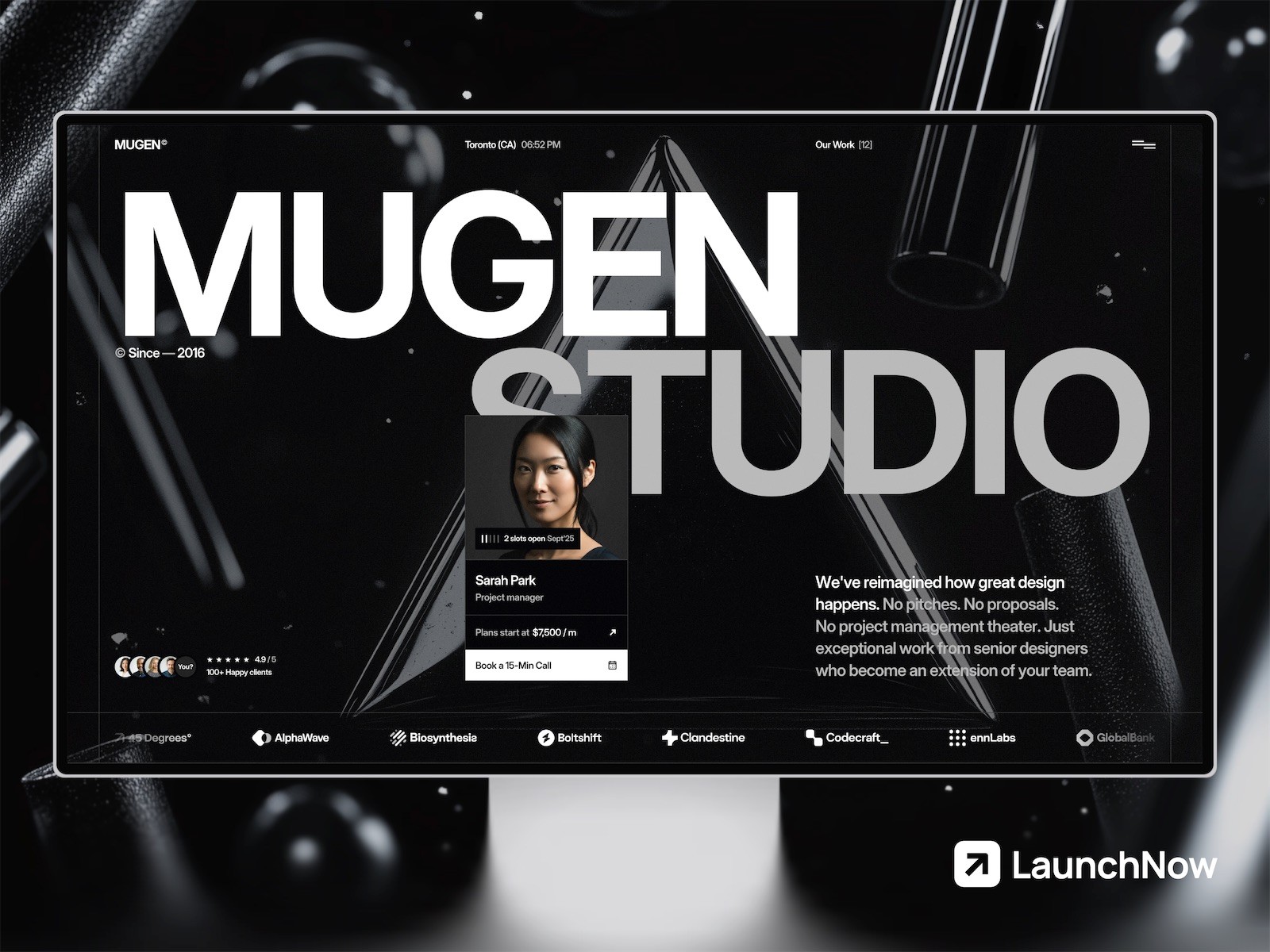
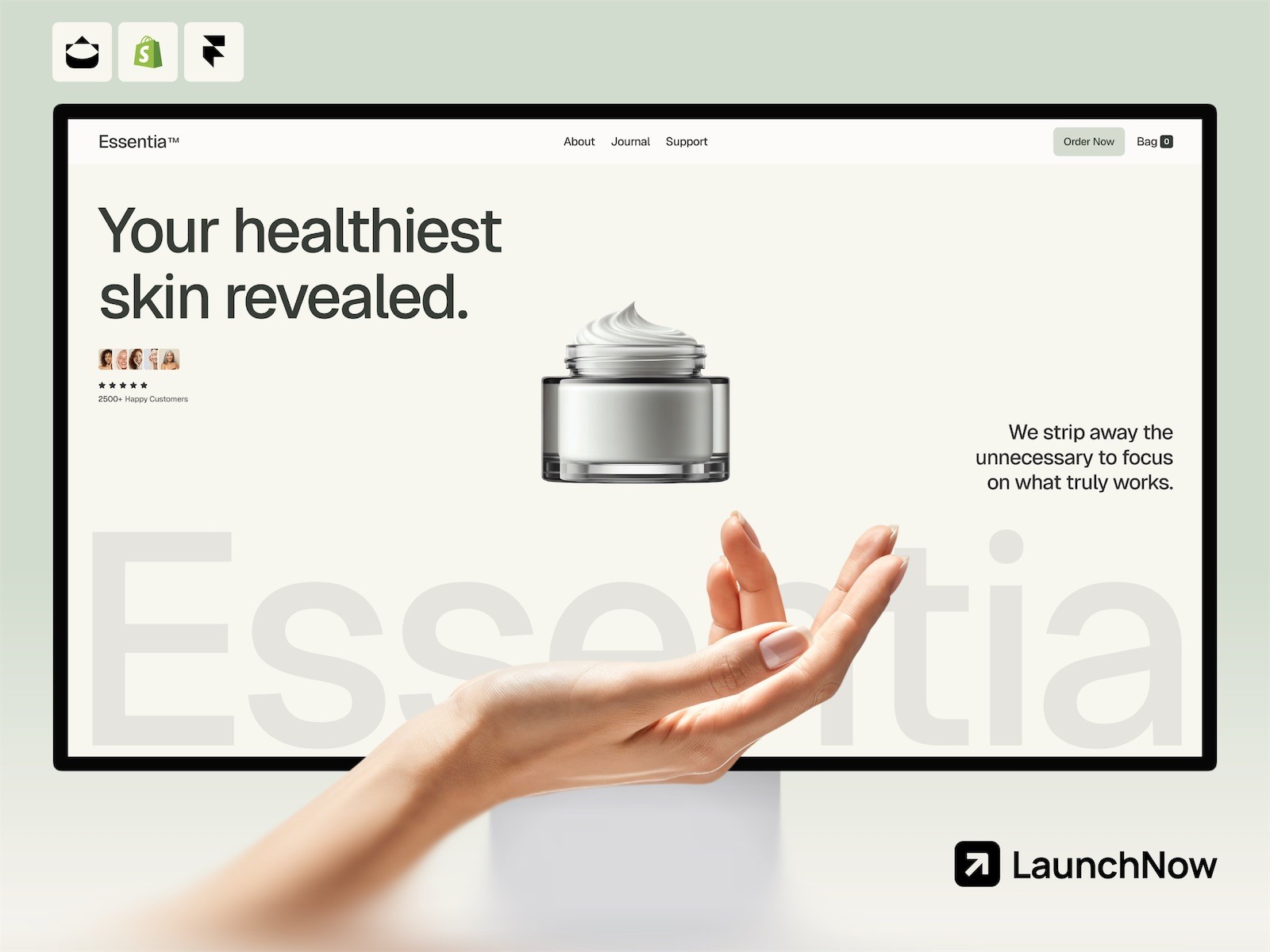
Framer's template library is built by professional designers, not generic templates. Every startup landing page Framer option ships with:
High-quality, customizable components
Responsive design that works perfectly on mobile, tablet, and desktop
Modern typography, color schemes, and spacing standards
Built-in animation and micro-interactions that improve UX
Accessibility best practices baked in
The visual editor means you don't need design skills to customize these templates. Change colors with a color picker. Swap images. Reorder sections. Adjust spacing. Everything updates visually in real-time, and the code stays clean behind the scenes.
For startups that need more guidance on template selection, our guide to choosing the right website template helps you match your business needs to the perfect starting point.
Many startups launching with Framer report that their website is often the most polished part of their product at launch. That sends a powerful signal to customers and investors: you're serious about execution.
Built-In SEO From Day One
One of the biggest mistakes startups make is launching a website that's invisible to search engines. They build, they launch, but Google doesn't know about them.
This is where Framer's approach to build startup website solutions stands out. SEO isn't an afterthought or a module you bolt on later. It's foundational.
Every Framer site ships with:
Semantic HTML: Clean, standards-compliant code that search engines love
Meta tags and structured data: Automatically generated and customizable
Fast performance: Pages load in under 1 second, a major SEO ranking factor
Mobile optimization: Fully responsive design that meets Google's Core Web Vitals
XML sitemap: Automatically generated and submitted to search engines
Open Graph tags: Social sharing looks polished and professional
For early-stage startups, this level of built-in SEO means you're not starting from behind. You're starting with the fundamentals in place, allowing you to focus on content and promotion rather than technical fixes.
For deeper insight into maximizing your site's search visibility, check out our complete Framer SEO guide, which covers everything from keyword optimization to advanced ranking strategies.
Performance That Investors Notice
Investors click around your website during due diligence. They may not admit it, but they're noticing things: Is it fast? Does it feel professional? Are there errors?
A slow website signals poor execution. A fast, responsive website signals competence and attention to detail.
Framer sites consistently hit the metrics investors and users care about:
Lighthouse scores: Framer sites average 90+ on Google's Lighthouse performance audit, putting them in the top percentile
Page speed: Sub-second load times on fast connections, with intelligent lazy-loading for images and heavy components
Uptime: 99.9%+ uptime on Framer's enterprise-grade infrastructure
Security: HTTPS by default, automatic SSL certificates, DDoS protection
These aren't nice-to-have metrics. For SaaS startups especially, performance directly impacts conversion rates. Studies show that every additional second of load time costs you 7% of conversions. With Framer, you're not fighting that battle.
The CMS Advantage: Content Marketing From Launch
Most startup websites are static brochures. Your team launches the site, it goes live, and nothing changes for months.
This is a missed opportunity. Content marketing works. A blog, case studies, a changelog, customer testimonials—these are conversion engines that early-stage startups overlook because traditional static sites make content difficult.
Framer's built-in CMS changes this calculation. You get:
Blog functionality: Publish articles, optimize for SEO, schedule posts
Dynamic content: Create case studies, testimonials, or product showcases that pull from your CMS
Changelog: Let customers see you're shipping improvements
Team bios: Build trust by showing the humans behind your startup
No database required: Everything is hosted, managed, and backed up
Startups that use Framer's CMS report 2-3x more pages indexed by Google and significantly higher organic traffic within 6 months. Content becomes a growth lever instead of an afterthought.
Cost Comparison: Framer vs Hiring a Developer vs Other Platforms
Let's talk money. This is what founders actually care about.
Hiring a Developer or Agency
Initial cost: $8,000–$25,000 minimum
Timeline: 8–16 weeks
Maintenance: $500–$2,000/month for updates and changes
Scaling: Want to add features? Prepare for another bill
Total first-year cost: $14,000–$49,000+
Other Website Builders (WordPress, Wix, Squarespace)
Monthly cost: $15–$50
Design flexibility: Limited; template customization is difficult
Performance: Often slow; bloated with plugins
Scalability: Limited for startups with complex needs
First-year cost: $180–$600, but with compromises on quality
Framer
Free tier: $0 (perfect for MVPs and initial launch)
Pro tier: $12–$20/month (more CMS features, custom domains)
Launch speed: 2–7 days
Design quality: Professional templates + full customization
Performance: Consistently 90+ Lighthouse scores
First-year cost: Free to $240, with professional results
The math is clear. Framer delivers the professionalism and performance of a custom developer site at 1/50th the cost and 1/8th the timeline. For early-stage startups, that's transformative.
Scaling With Framer: From MVP to Growth Stage
Here's a question startups ask: "Will I outgrow Framer?"
The answer is usually no. Framer scales with you.
What starts as a simple landing page can evolve into a full product website, documentation, help center, and customer portal—all on Framer. The platform's capabilities grow as your startup grows:
Early stage: Simple landing page, basic SEO, custom domain
Growth stage: Blog, case studies, customer testimonials, basic integrations
Scale stage: Advanced CMS, API access, custom code sections, white-label capabilities
Many Y Combinator startups, Series A companies, and unicorns use Framer for their primary website. It's not a temporary solution—it's a permanent one that adapts to your needs.
For startups building SaaS products specifically, explore our guide to the best Framer templates for SaaS landing pages in 2026, which covers templates optimized for conversion and growth.
Real Use Cases: What Startups Are Building With Framer
The diversity of startups using Framer is telling. Here are real examples:
SaaS Companies
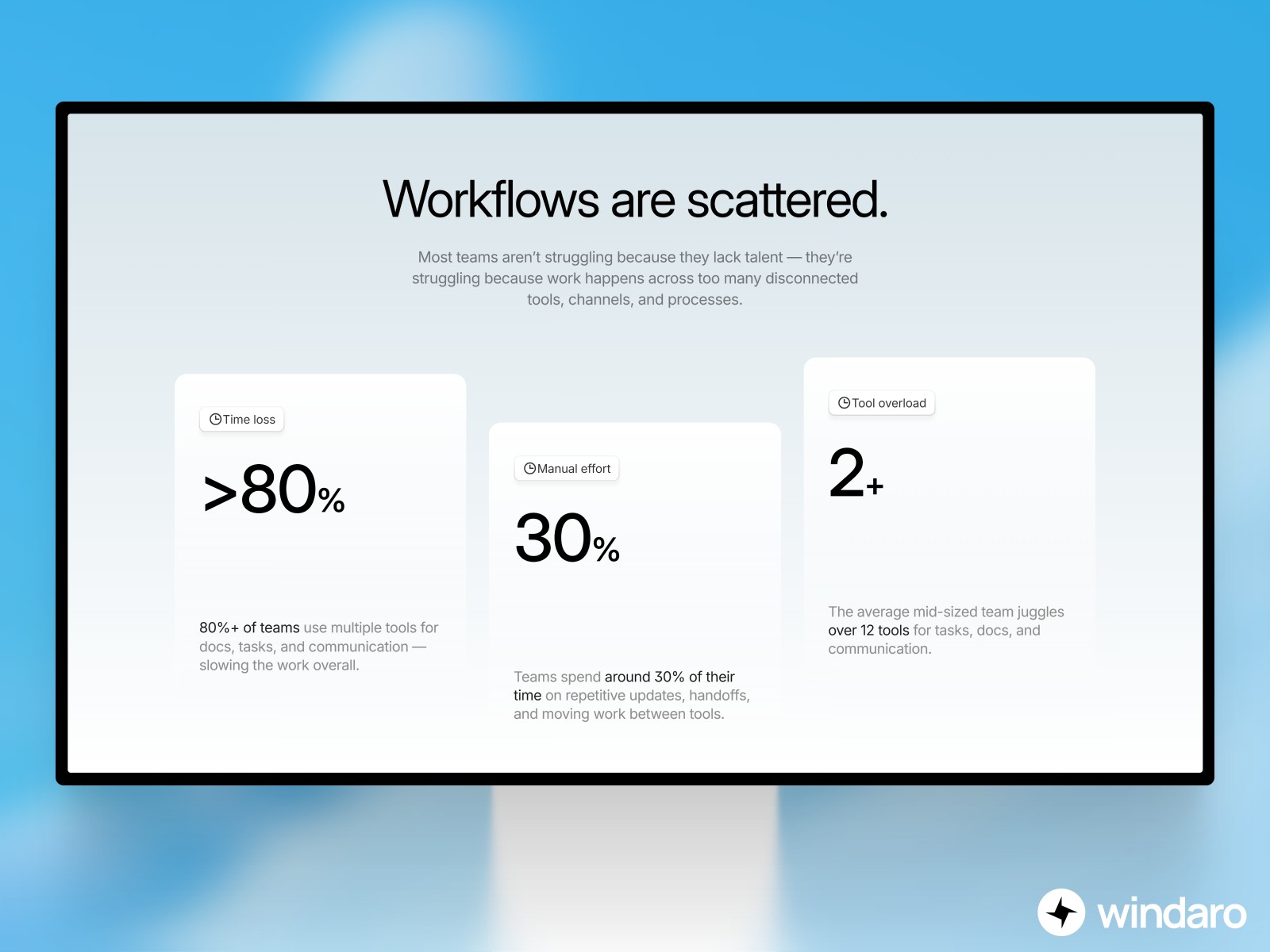
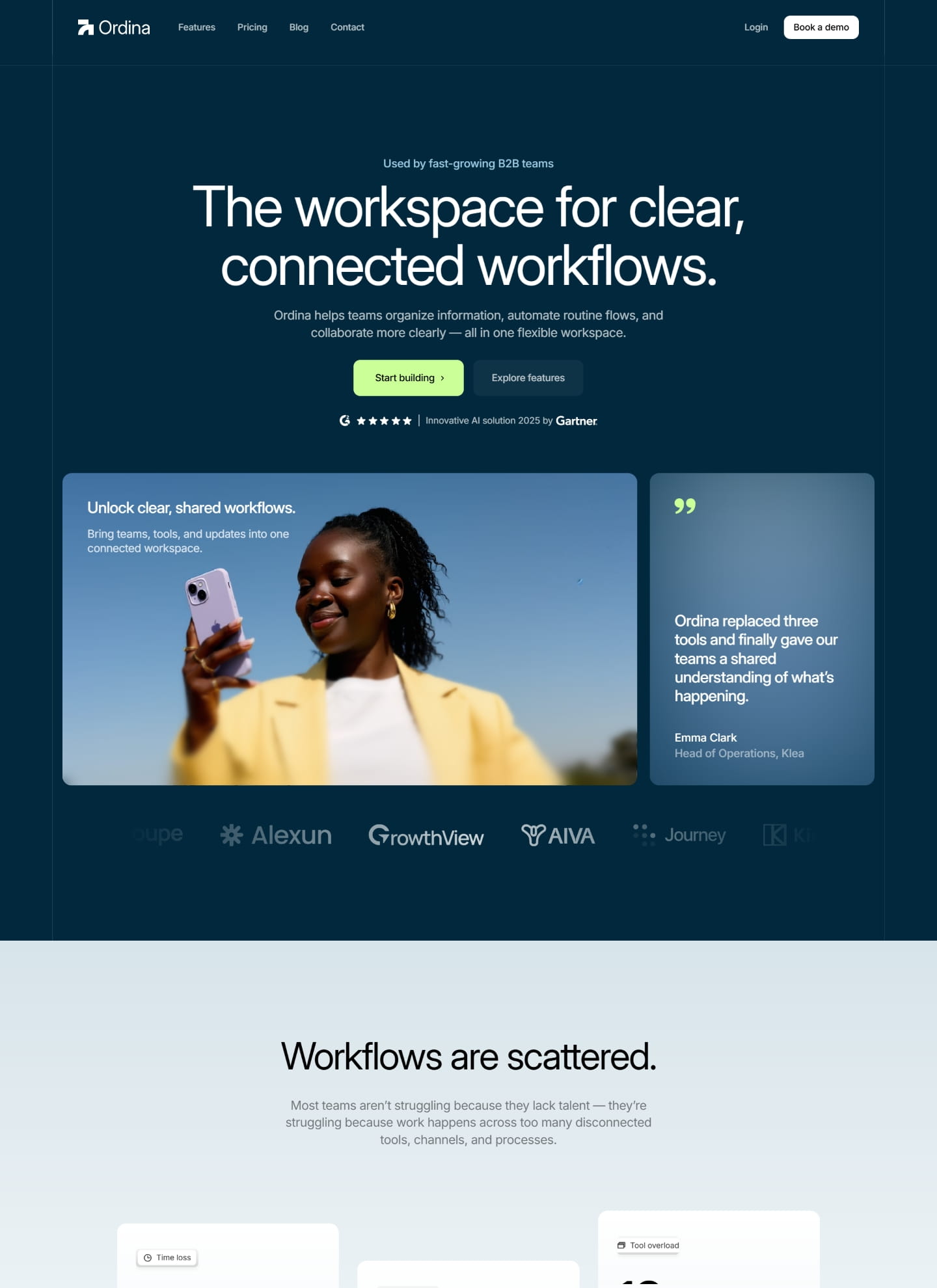
Use case: Framer is ideal for SaaS startups that need polished landing pages with clear value propositions, pricing pages, and integration showcases. The CMS handles blog content for SEO growth.
Marketplace and E-Commerce Startups
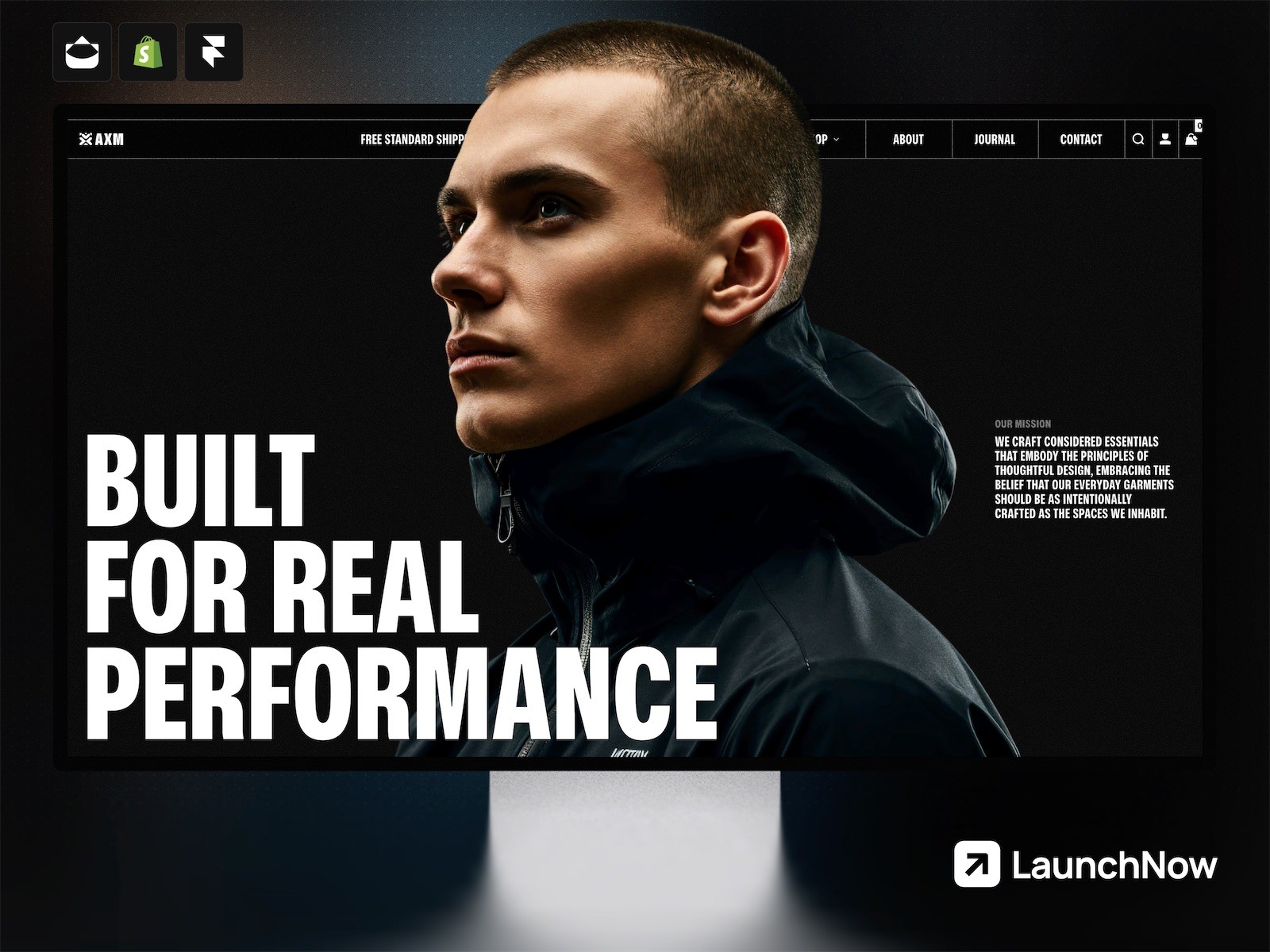
Use case: Product marketplaces use Framer to showcase their product catalog with high-quality imagery and animations that convert browsers into buyers.
Agency and Service-Based Startups
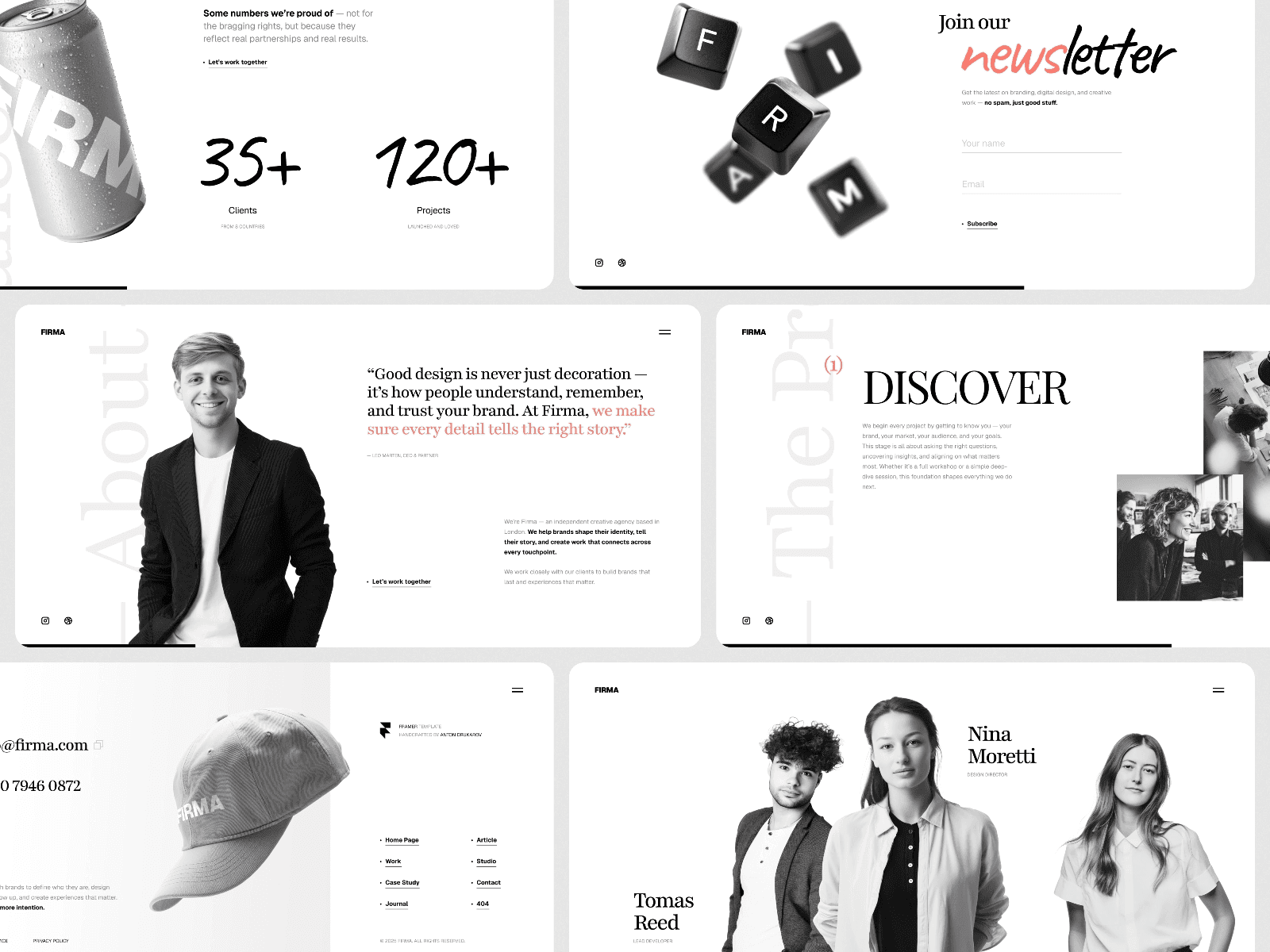
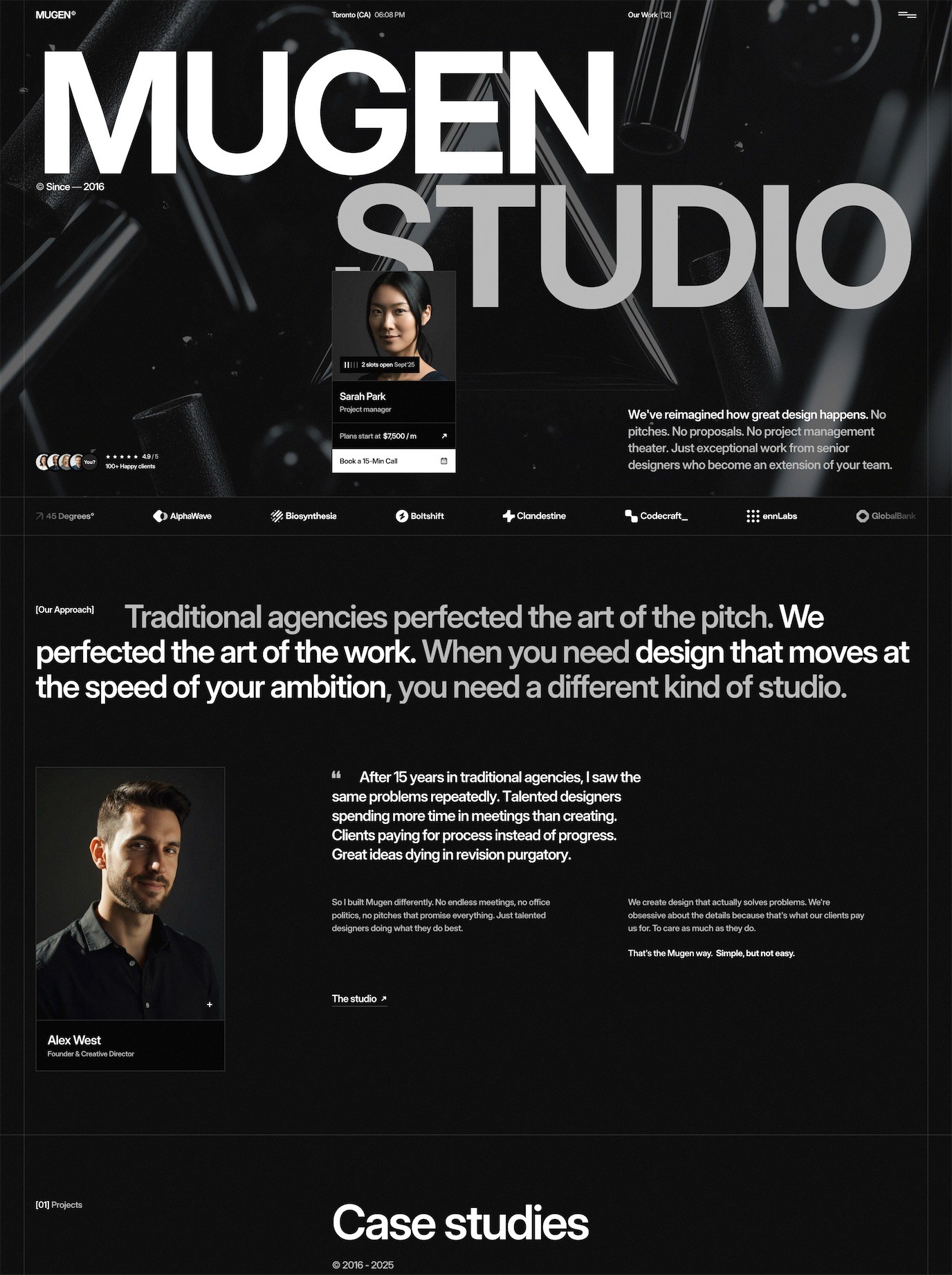
Use case: Agencies use Framer to display their portfolio, case studies, and team. The platform's design quality speaks for itself—a designer's website should be designed beautifully.
Content and Creator Startups
Use case: Creator platforms, newsletters, and content businesses use Framer's CMS and subscription features to monetize content directly.
B2B and Enterprise Software Startups
Use case: Complex product launches with detailed documentation, API references, and developer guides run smoothly on Framer with custom code sections.
What these use cases share: all of these startups needed to launch fast, look professional, and iterate based on market feedback. Framer delivered on all three.
How Templates Accelerate the Startup Launch Process
The template is the secret weapon in startup web design.
A great startup website builder template isn't just a design—it's a strategic framework. It includes sections that convert: hero sections with clear value propositions, features lists, social proof, pricing pages, and CTAs optimized for action.
Framer's startup templates are built on conversion research. Every section exists because it improves the likelihood that a visitor becomes a lead or customer.
Using a template saves time, but it also saves you from design mistakes. You don't accidentally make your CTA button too small. You don't forget social proof. You don't create a mobile experience that frustrates visitors. The template handles these things for you.
If you're comparing quality and cost-effectiveness of different template options, our article on free vs premium templates breaks down what you gain at each tier.
Maximizing Conversions on Your Framer Startup Website
Building with Framer is fast. But what if your site isn't converting? What if you're getting traffic but not leads?
This is where conversion rate optimization (CRO) comes in. Your startup landing page Framer experience can be dramatically improved by focusing on conversion metrics.
Key areas to optimize:
Headline clarity: Does your value proposition fit in 10 words?
CTA visibility: Can users find your call-to-action button without scrolling?
Form friction: Are you asking too many questions?
Social proof: Do you have testimonials, logos, or metrics that build trust?
Page speed: Is your site slow? Visitors are leaving (Framer solves this).
For a deep dive into CRO strategy on Framer, check out our guide on how to improve conversion rates for Framer users.
The Founder's Advantage: When You Build Your Own Site
There's a subtle advantage to building your site yourself that startups often miss: you deeply understand your messaging.
When you hire a developer or designer, you brief them on your startup, but they don't live and breathe it the way you do. When you build it yourself in Framer, every headline, every image, every CTA reflects your authentic voice and vision.
This matters. Customers can sense the difference between a cookie-cutter website and one built with intent. Your site becomes a marketing asset that reflects your startup's values and personality.
Avoiding Startup Website Mistakes With Framer
Common startup website mistakes Framer helps you avoid:
No clear value proposition: Framer's templates force clarity about what you do and why it matters
Slow load times: Performance is built-in, not an optimization project for later
Poor mobile experience: Fully responsive by default
No path to conversion: Templates include CTAs and lead capture flows
No SEO foundation: Built-in SEO best practices mean you start ahead
Inability to iterate: Change copy, images, and structure in minutes, not months
Looking Forward: Framer's Roadmap for Startup Needs
Framer is actively building features that matter to startups. In 2026, we're seeing increased focus on:
Advanced CMS capabilities for complex content workflows
E-commerce integrations for startups selling products
Analytics and visitor tracking for conversion optimization
API access for startups building custom integrations
Community and template marketplace expansion
The trajectory is clear: Framer is becoming the operating system for startup websites, not just a design tool.
Your Website Shouldn't Be What Slows You Down
Building a startup is hard enough. Your website shouldn't be the bottleneck.
The startup founders winning in 2026 are the ones who solved this equation: professional design + fast launch + low cost + easy maintenance = Framer.
You don't need to hire a developer. You don't need to spend $15,000. You don't need to wait three months. You need Framer for startups—a platform that lets you move fast without sacrificing quality.
The best time to launch your startup website was three months ago. The second best time is today. Framer makes "today" possible.
Ready to build your startup website? Start with a free Framer account and choose a template built for your industry. You could have your site live by tomorrow.