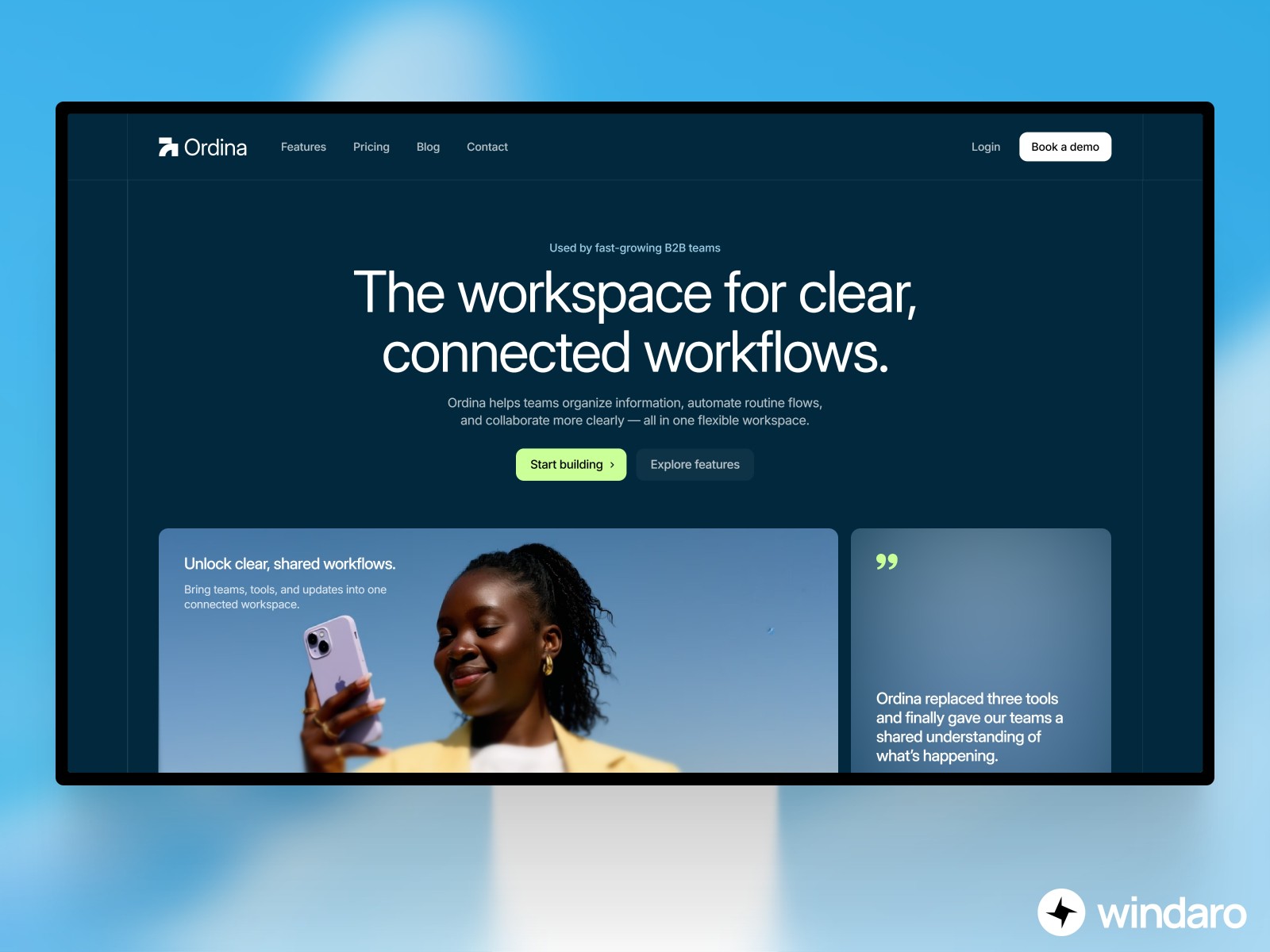
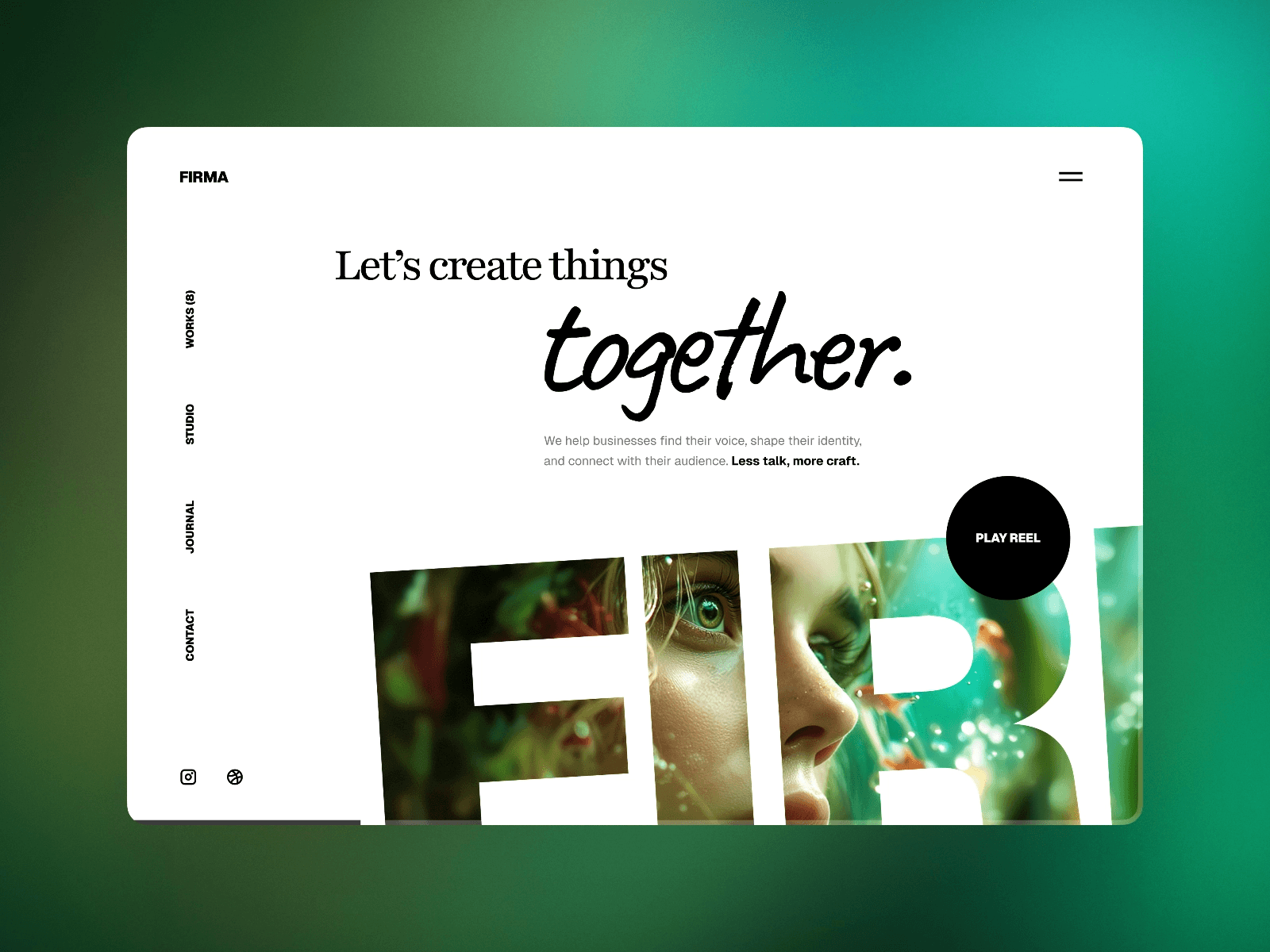
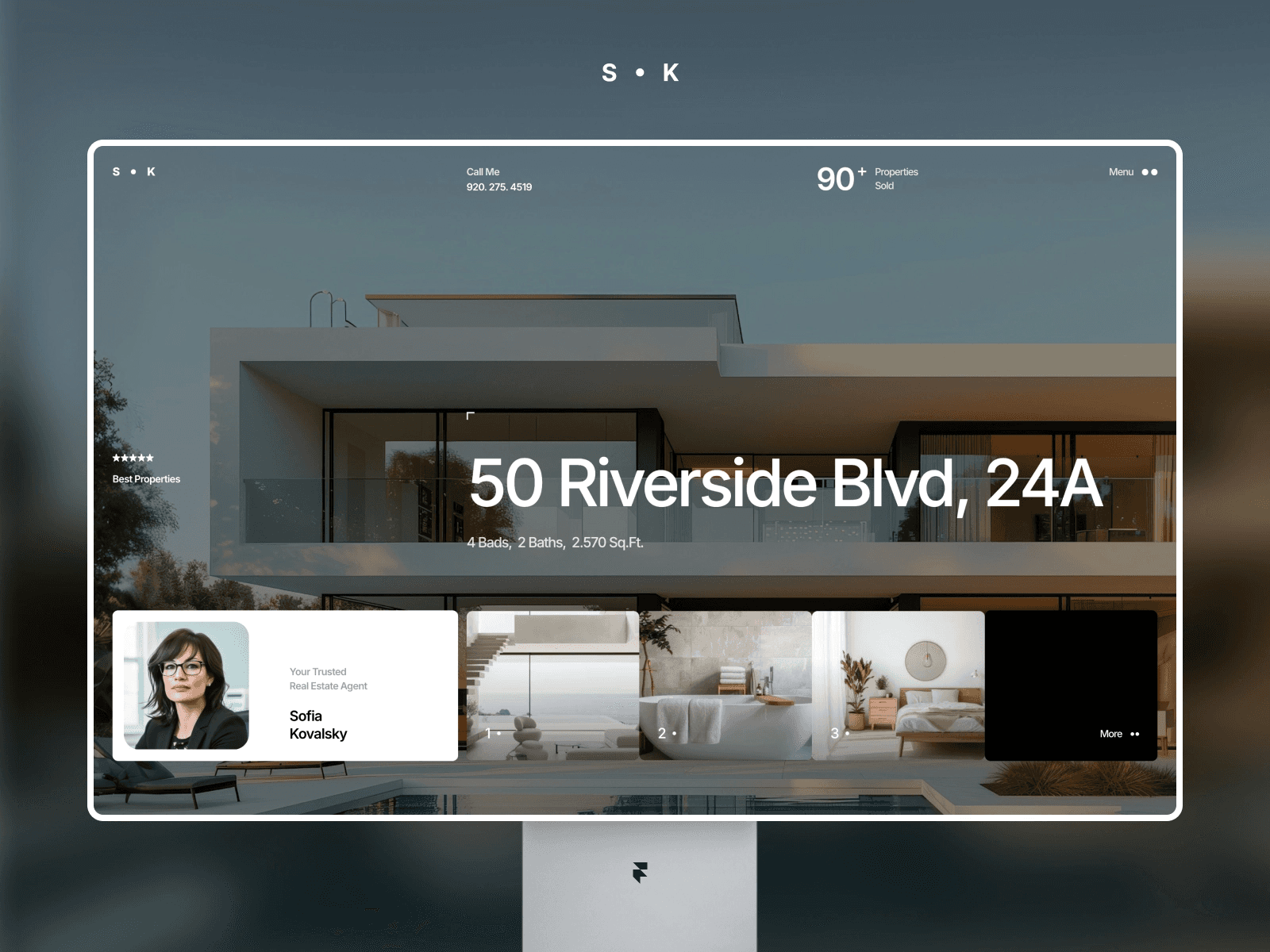
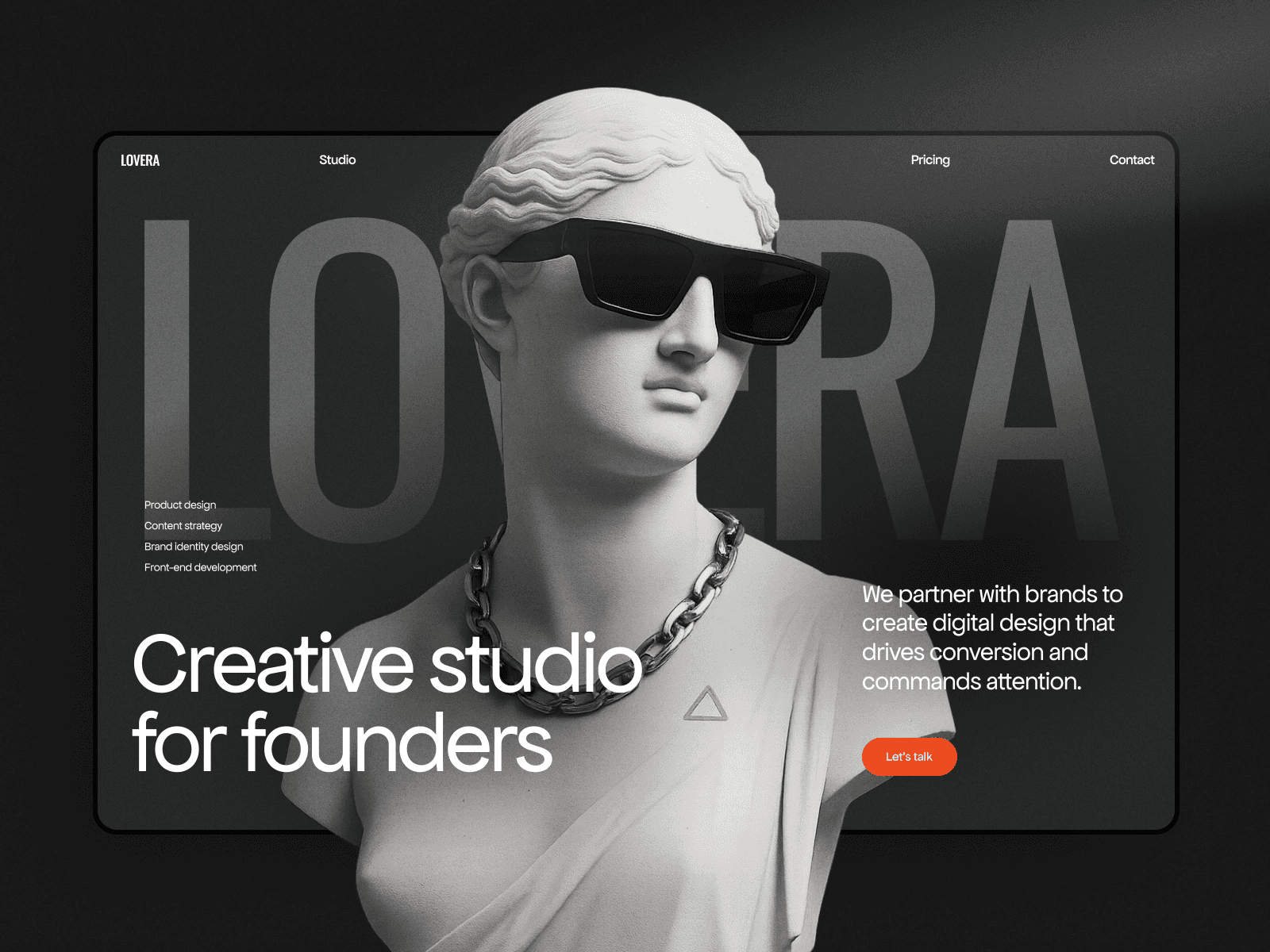
Why Typography Matters More Than Ever in Web Design
Typography has become one of the most critical elements of modern web design. In 2026, as websites compete for user attention and engagement, the role of font selection extends far beyond simply making text readable. The fonts you choose communicate your brand's personality, establish visual hierarchy, guide user attention, and significantly impact how visitors perceive your website's professionalism and trustworthiness.
The human brain processes typography subconsciously. When users land on your website, they form an opinion within milliseconds, and much of that impression comes from how your text is presented. A well-chosen typeface can enhance user experience, improve readability, and create an emotional connection with your audience. Conversely, poor font choices can make even excellent content feel unprofessional or difficult to consume.
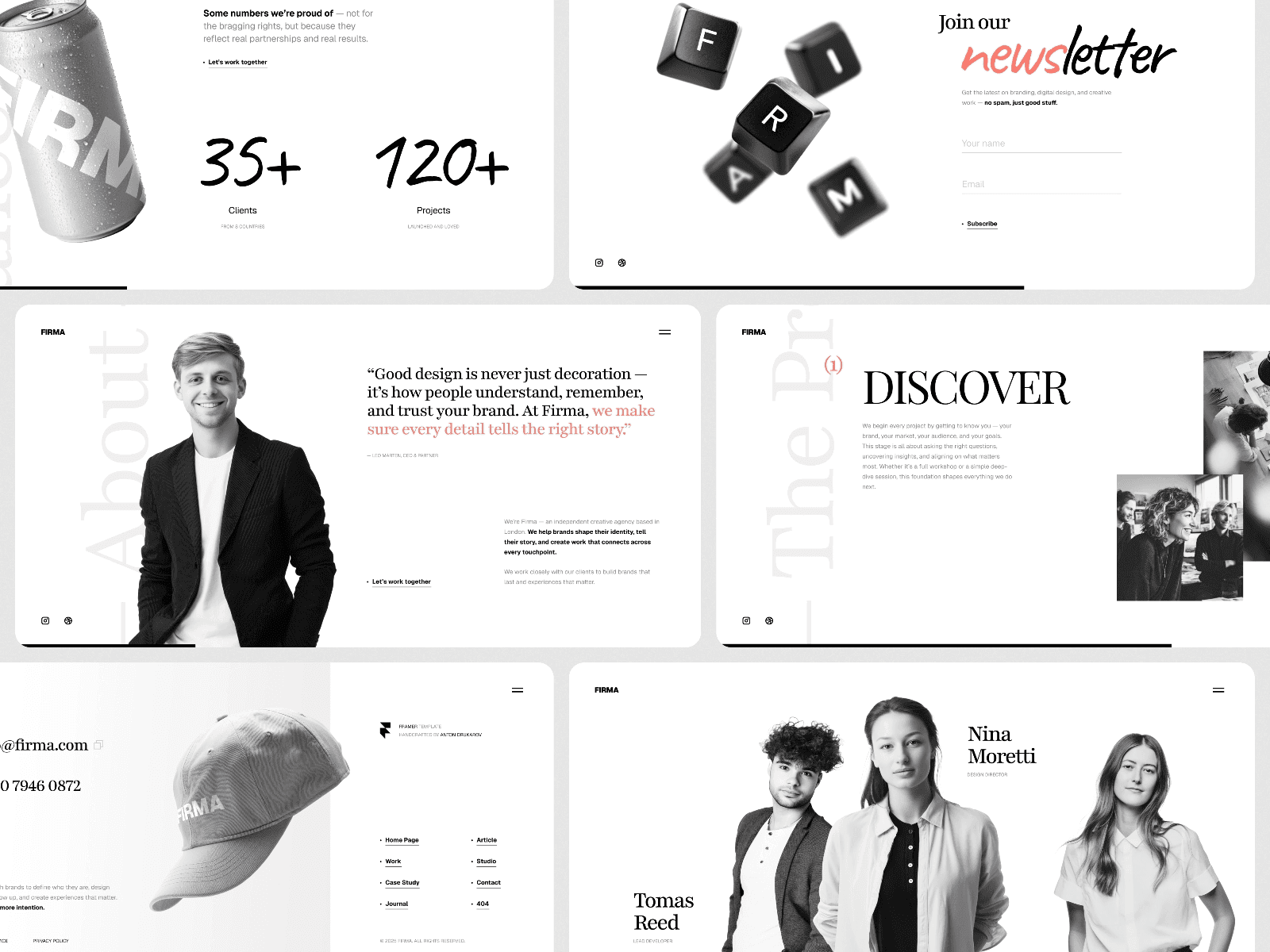
In 2026, we're seeing increased sophistication in how brands approach typography. Web designers are moving beyond safe, generic choices and embracing typefaces that tell a unique story. This shift reflects a broader trend toward authentic brand expression and personalization. Whether you're building a portfolio website, launching a SaaS product, or creating a digital agency presence, your font choices should align with your brand values and target audience expectations.
Understanding Brand Personality Through Font Selection
Before diving into specific typeface recommendations, it's essential to understand how different font categories communicate distinct brand personalities. Every typeface carries associations and emotional triggers that influence how users perceive your brand.
The Psychology of Font Families
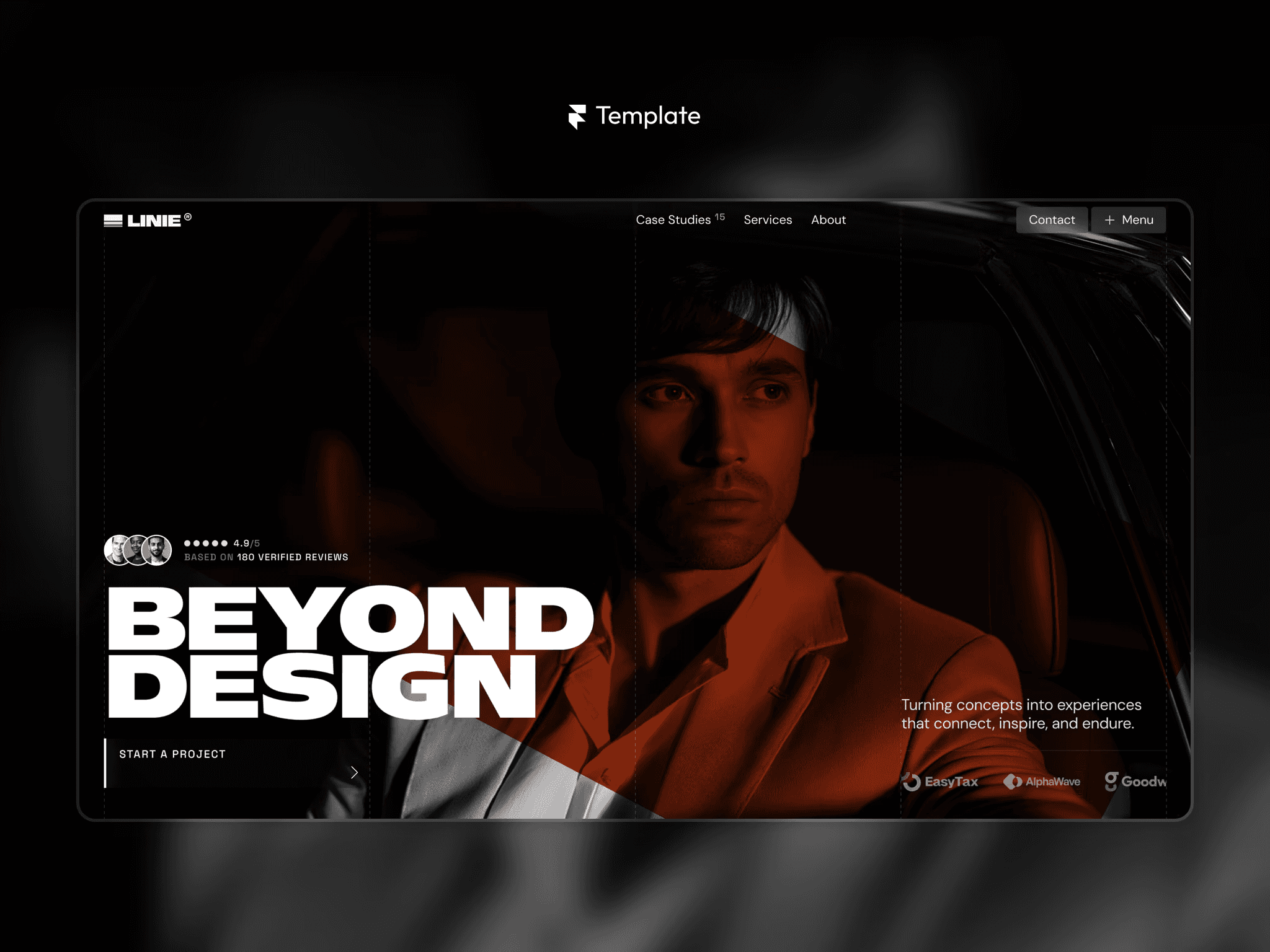
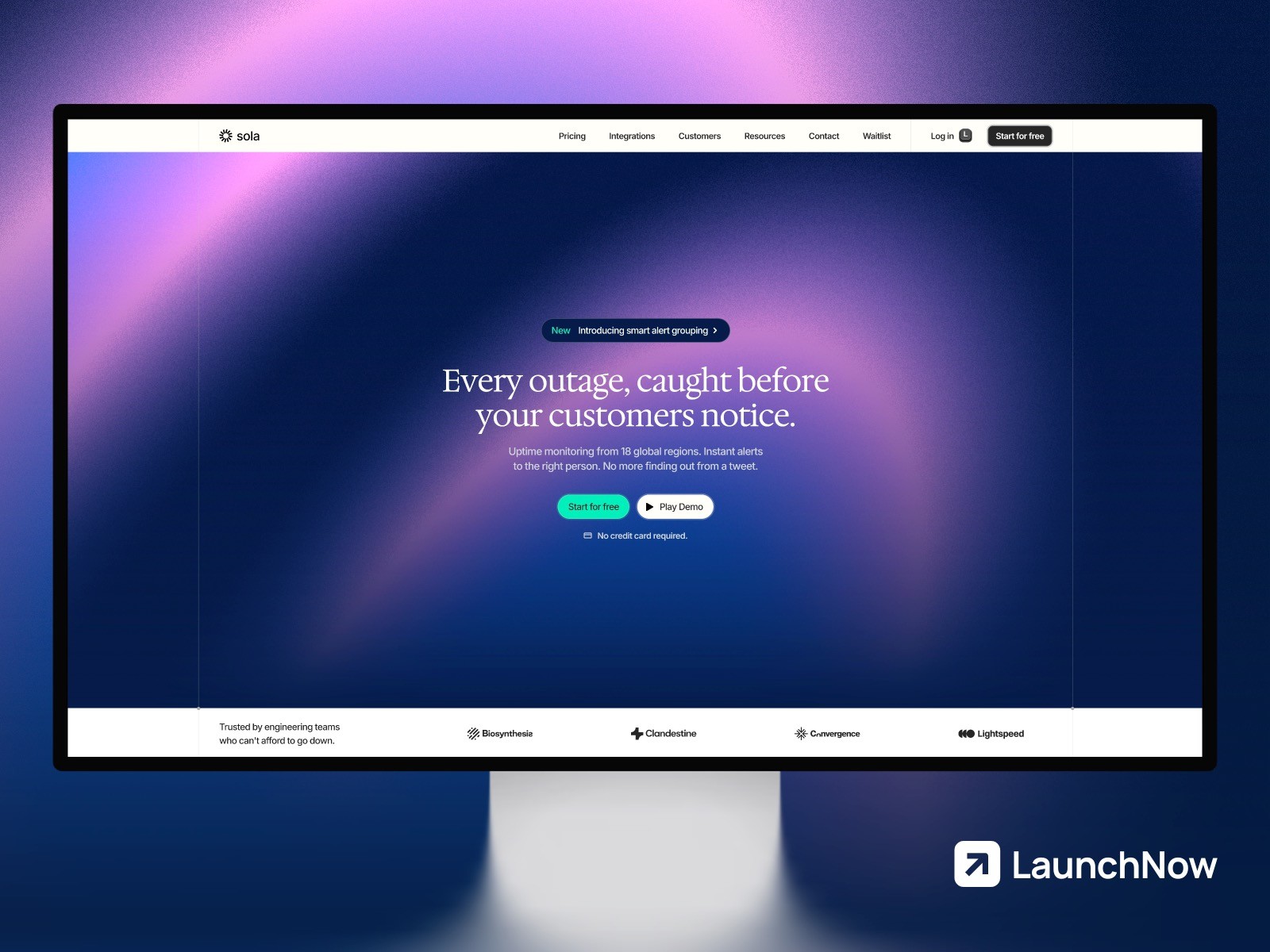
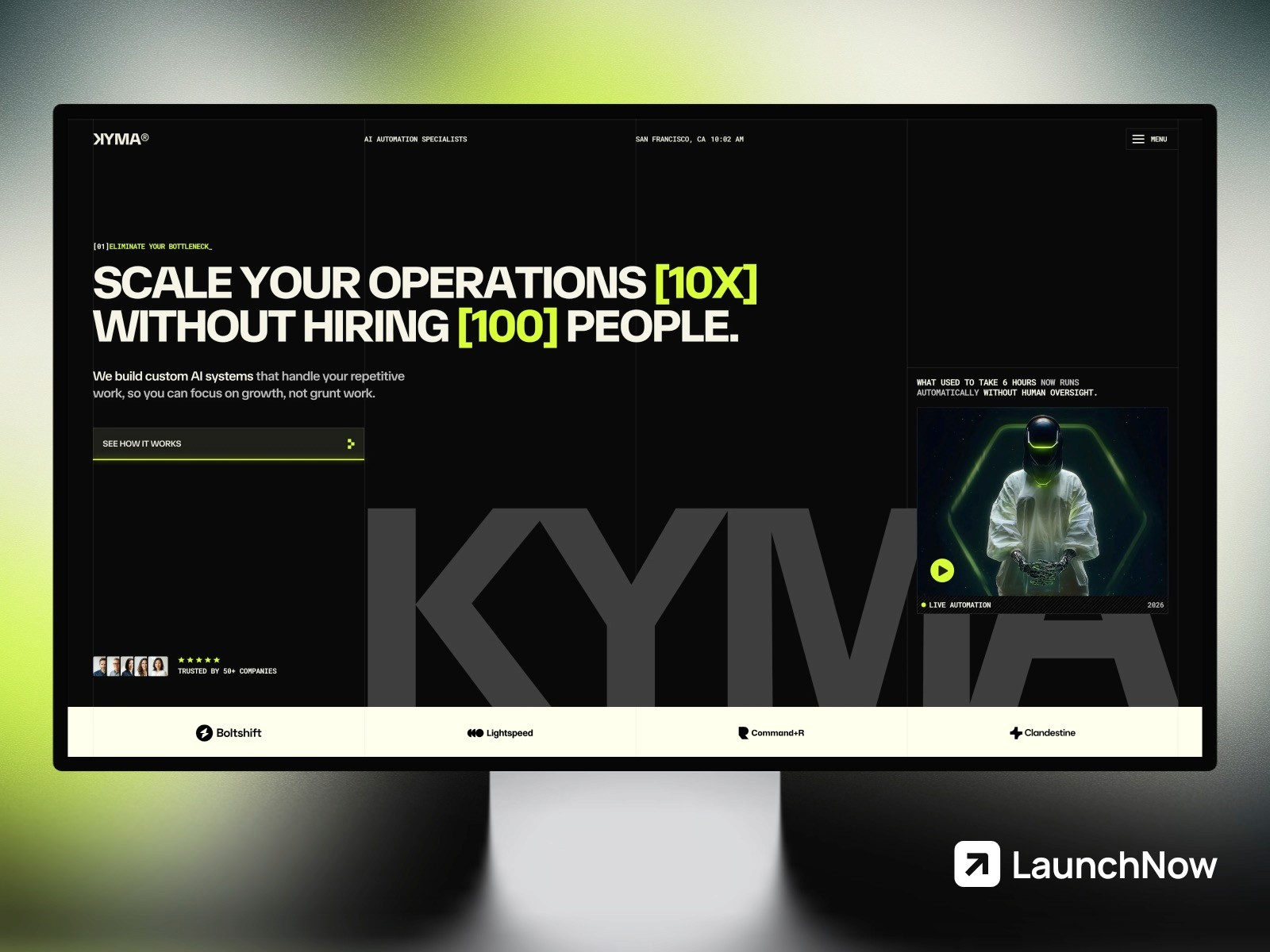
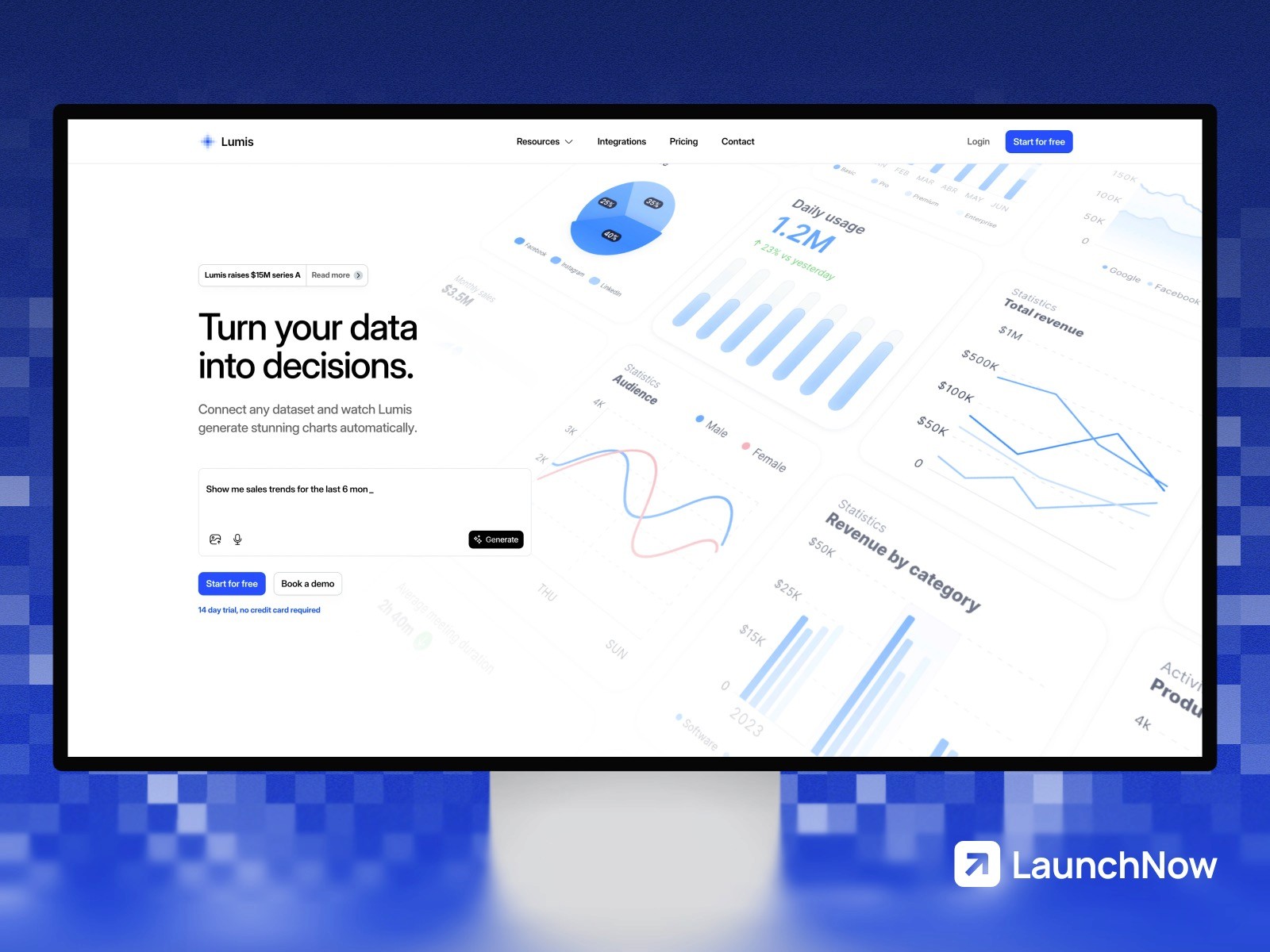
Sans-serif fonts are widely perceived as modern, clean, and approachable. They work exceptionally well for tech companies, startups, and brands that want to project innovation and simplicity. Serif fonts convey tradition, elegance, and authority, making them popular for law firms, publications, and established brands. Display fonts are bold, distinctive, and highly expressive, perfect for headlines that need to grab attention and create memorable impressions.
Your choice of font category should reflect your brand's positioning within your industry. A creative agency might pair a distinctive display font with a refined serif for a sophisticated aesthetic, while a technology startup might choose two complementary sans-serif fonts for a clean, modern appearance.
Matching Fonts to Brand Values
Consider what your brand stands for and what emotions you want to evoke. Are you positioning yourself as luxury or accessible? Traditional or cutting-edge? Playful or professional? These questions should guide your font selection process. A sustainable fashion brand might choose an earthy, organic sans-serif that feels warm and approachable, while a luxury jeweler might opt for elegant serifs with generous spacing.
The most successful brands maintain typographic consistency across all digital touchpoints. This consistency reinforces brand recognition and creates a cohesive user experience. When users encounter your brand across different platforms, the familiar typography helps them instantly recognize and trust your presence.
The Best Sans-Serif Fonts for 2026 Web Design
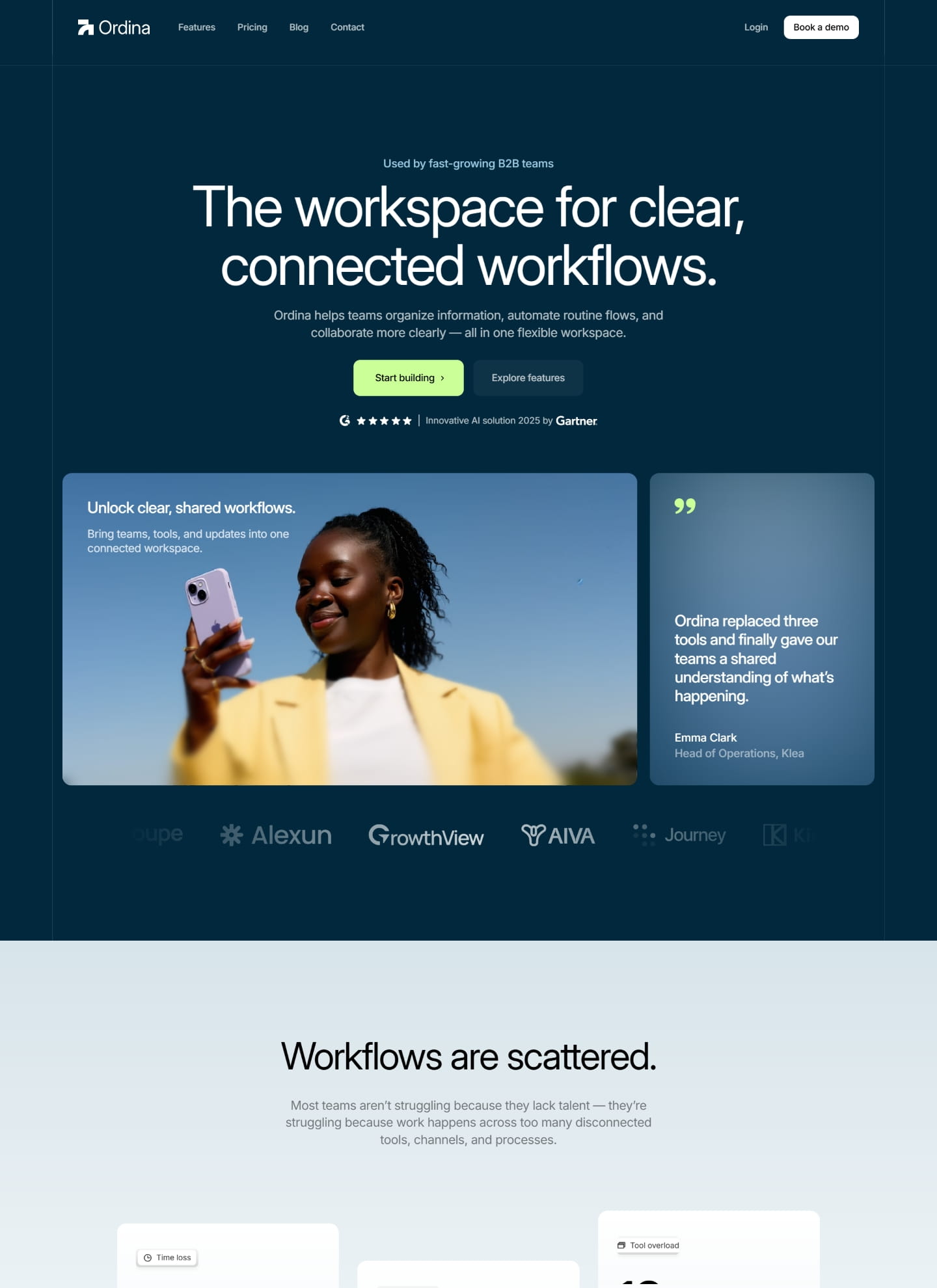
Sans-serif typefaces continue to dominate web design in 2026, and for good reason. They offer excellent readability on screens, project modernity, and provide a neutral canvas that allows content to shine.
Inter: The Designer's Workhorse
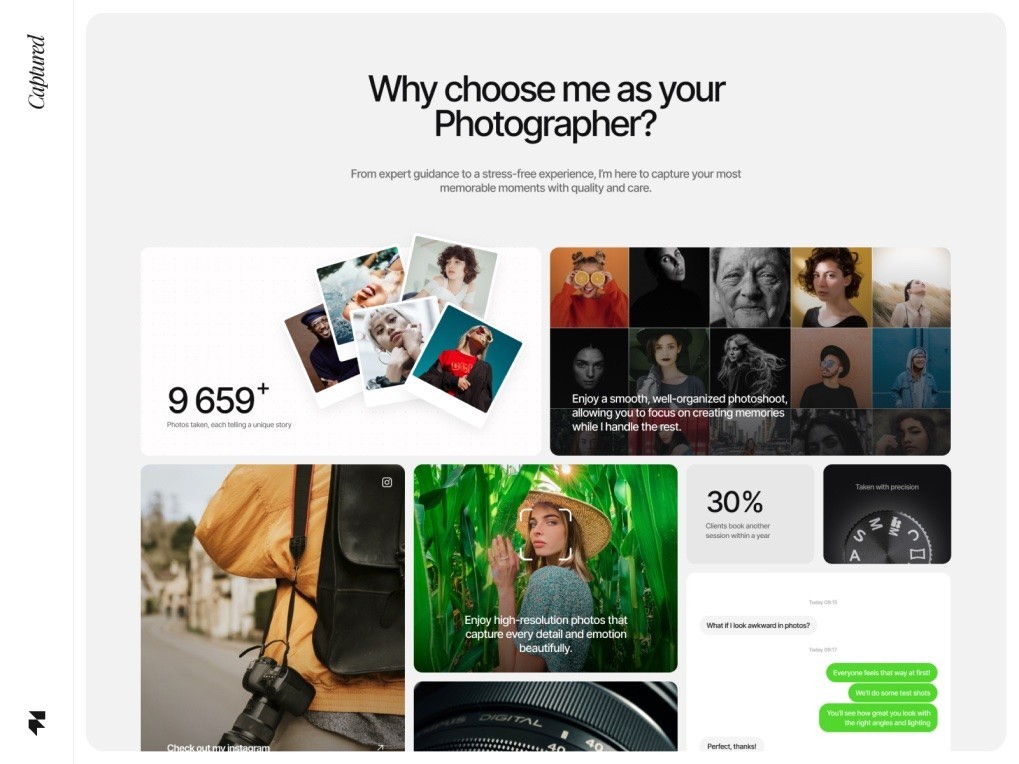
Inter has become the go-to sans-serif for countless web designers and technology companies. This open-source typeface was specifically designed for screen use, with careful attention to metrics that ensure optimal readability at small sizes. Inter's generous spacing and distinctive letterforms make it ideal for body text, UI elements, and headlines alike. The font's extensive variable font support means you can fine-tune the weight and width exactly as needed, which is particularly useful when you need to optimize for different devices and contexts.
Inter's versatility extends to its use across different design systems. Whether you're building a minimalist portfolio or a complex web application interface, Inter adapts gracefully. Its neutral personality means it complements virtually any design direction, making it especially valuable for client projects where brand personality might be undefined or evolving.
Satoshi: Modern Sophistication
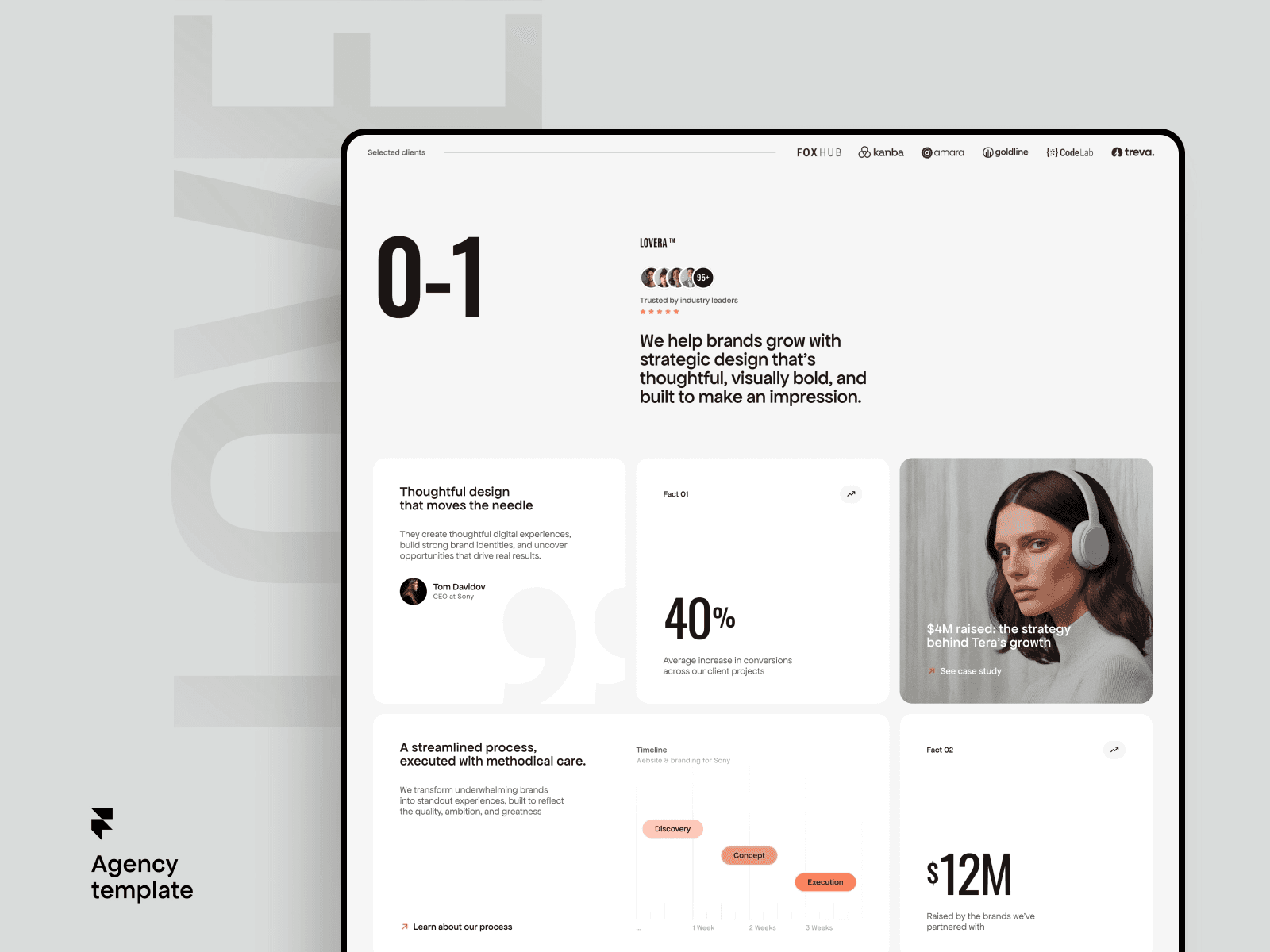
Satoshi brings a contemporary yet sophisticated aesthetic to web design. This font features geometric proportions with subtle humanist touches, creating a unique character that feels both modern and approachable. Satoshi works particularly well for brands targeting millennial and Gen Z audiences, as it carries associations with design-forward, culturally aware companies.
The font's distinctive personality makes it an excellent choice for heading hierarchies and callouts, while its readability at smaller sizes means it can also serve as body text on larger screens. Many creative agencies and tech startups have adopted Satoshi as part of their visual identity, and it continues to gain prominence in 2026 as designers seek typefaces that balance professionalism with personality.
General Sans: Geometric Clarity
General Sans offers a geometric sans-serif aesthetic with excellent proportions and distinctive character. This typeface is particularly effective when you want a font that feels distinctive without being overly experimental. General Sans carries a sense of precision and clarity that resonates with technology and professional services brands.
The font's various weights provide flexibility for creating visual hierarchy, and its proportions remain consistent across all sizes, making it a reliable choice for responsive web design. When paired with a complementary serif for body text, General Sans creates a sophisticated and modern typographic system.
Plus Jakarta Sans: Contemporary Edge
Plus Jakarta Sans brings a fresh, contemporary edge to web typography. This font features a slightly wider set of proportions and rounded curves that give it a friendly, approachable quality while maintaining professional credibility. It's become increasingly popular among design agencies and product companies that want to appear innovative without sacrificing trustworthiness.
Plus Jakarta Sans works exceptionally well in user interface design where approachability is important. The font's distinct personality ensures it stands out among generic sans-serifs, while its readability across all sizes ensures it remains functional in any context.
Serif Fonts That Elevate Web Design
Serif fonts are experiencing a resurgence in web design as designers increasingly recognize their value for creating visual sophistication and improving long-form content readability. With advances in web font technology, serifs no longer require the compromise on screen readability they once did.
Playfair Display: Luxury and Elegance
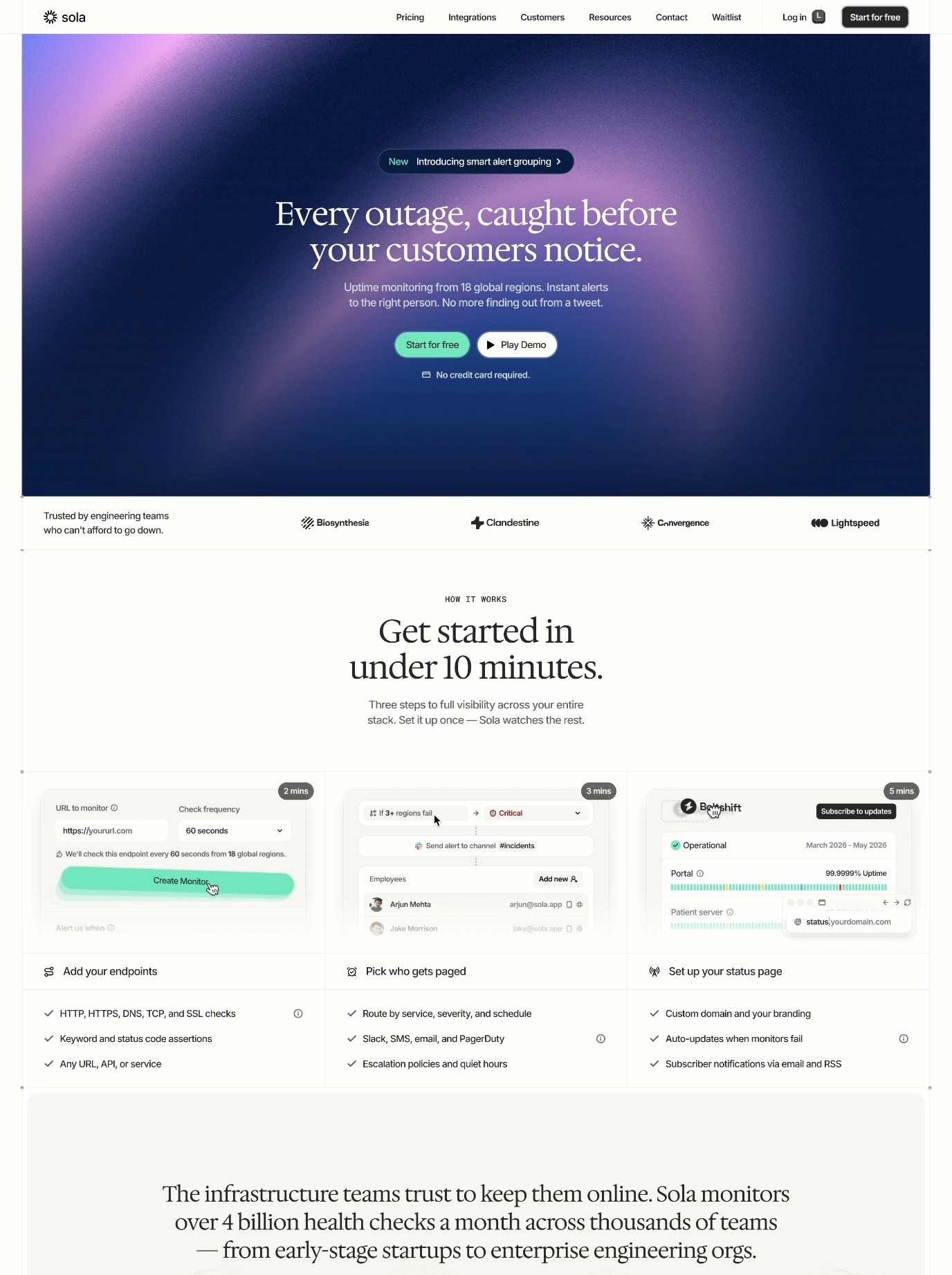
Playfair Display has become the quintessential choice for luxury brands, editorial projects, and websites that want to project elegance and sophistication. This high-contrast serif features dramatic, sweeping letterforms that immediately elevate the perceived value of content. Playfair Display works best as a headline font, where its distinctive character can shine without taxing readability.
The font's generous proportions and distinctive ligatures make it particularly effective for brand names and major section headings. When combined with a clean, minimal sans-serif for body text, Playfair Display creates a classic, editorial aesthetic that feels timeless rather than trendy.
Lora: Elegant Readability
Lora represents the sweet spot between decorative serif personality and practical readability. This font was designed specifically for screen use, with metrics that optimize legibility at body text sizes while maintaining elegant proportions. Lora is particularly effective for editorial websites, blogs, and publishing platforms where long-form content is the primary focus.
The font's warm, friendly character makes it suitable for brands that want to feel approachable yet authoritative. Lora's extensive language support and variable font options make it an excellent choice for international projects, and its open-source availability means there are no licensing concerns for commercial projects.
Merriweather: Warm Hospitality
Merriweather brings a warm, inviting quality to web typography. This serif font was designed with the needs of screen readers in mind, making it an excellent accessibility choice. The font's generous spacing and clear letterforms ensure comfortable reading for users with vision impairments, while the slightly informal character appeals to brands that want to feel welcoming and human-centered.
Merriweather works particularly well for educational websites, wellness brands, and organizations focused on health and community. The font's friendly personality combined with its technical sophistication makes it a versatile choice for any project where building trust with your audience is paramount.
Display and Heading Fonts That Command Attention
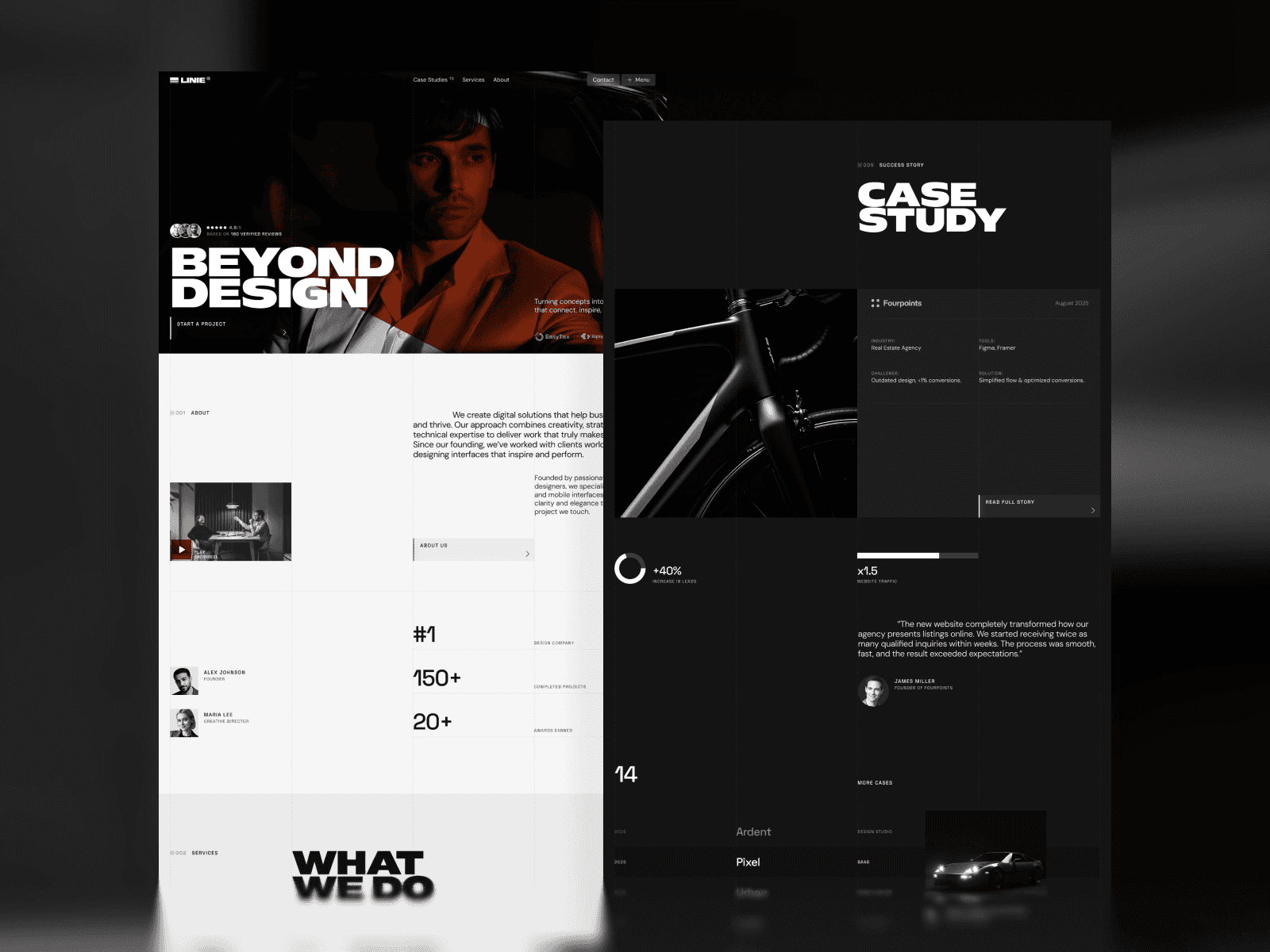
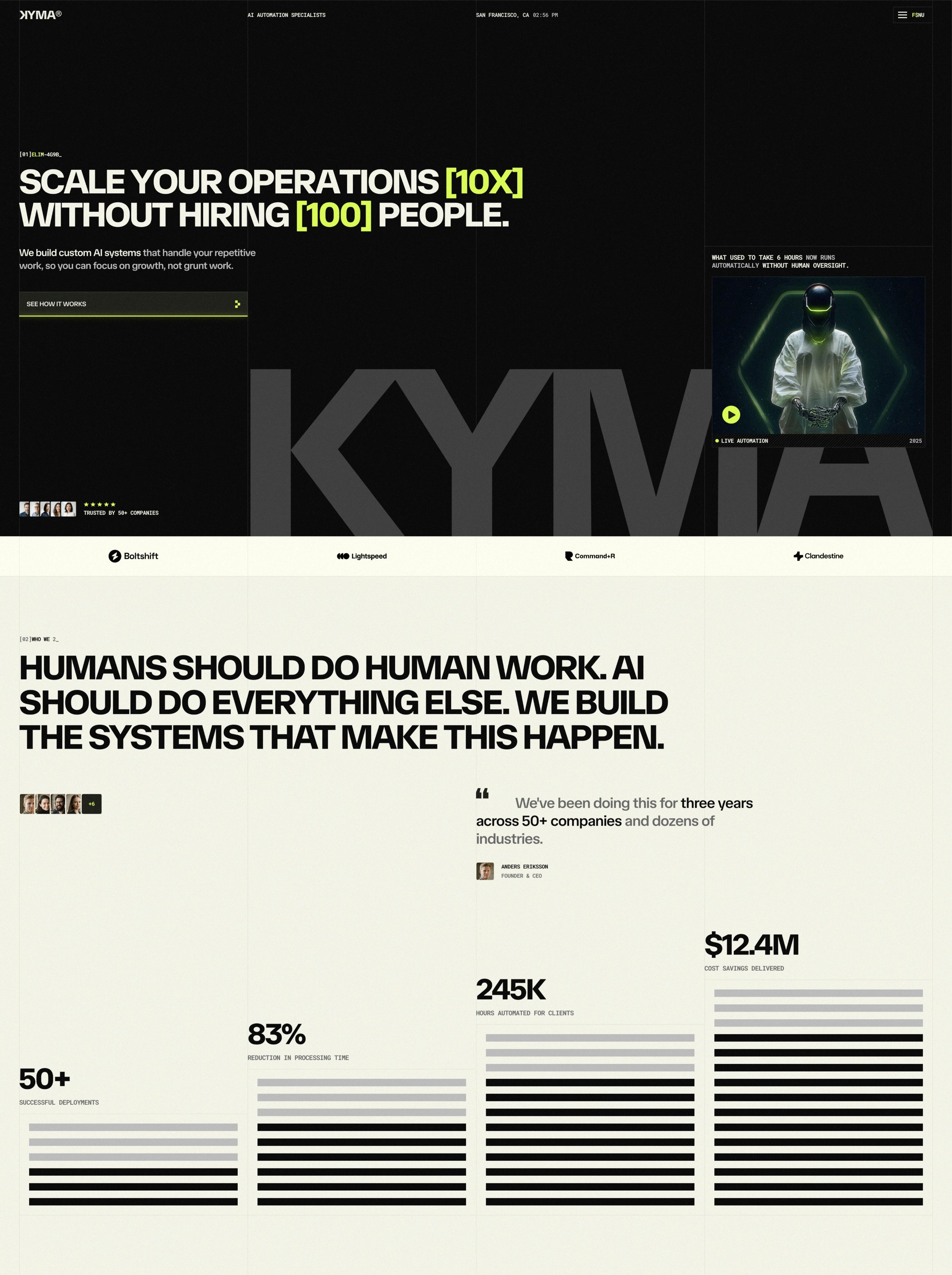
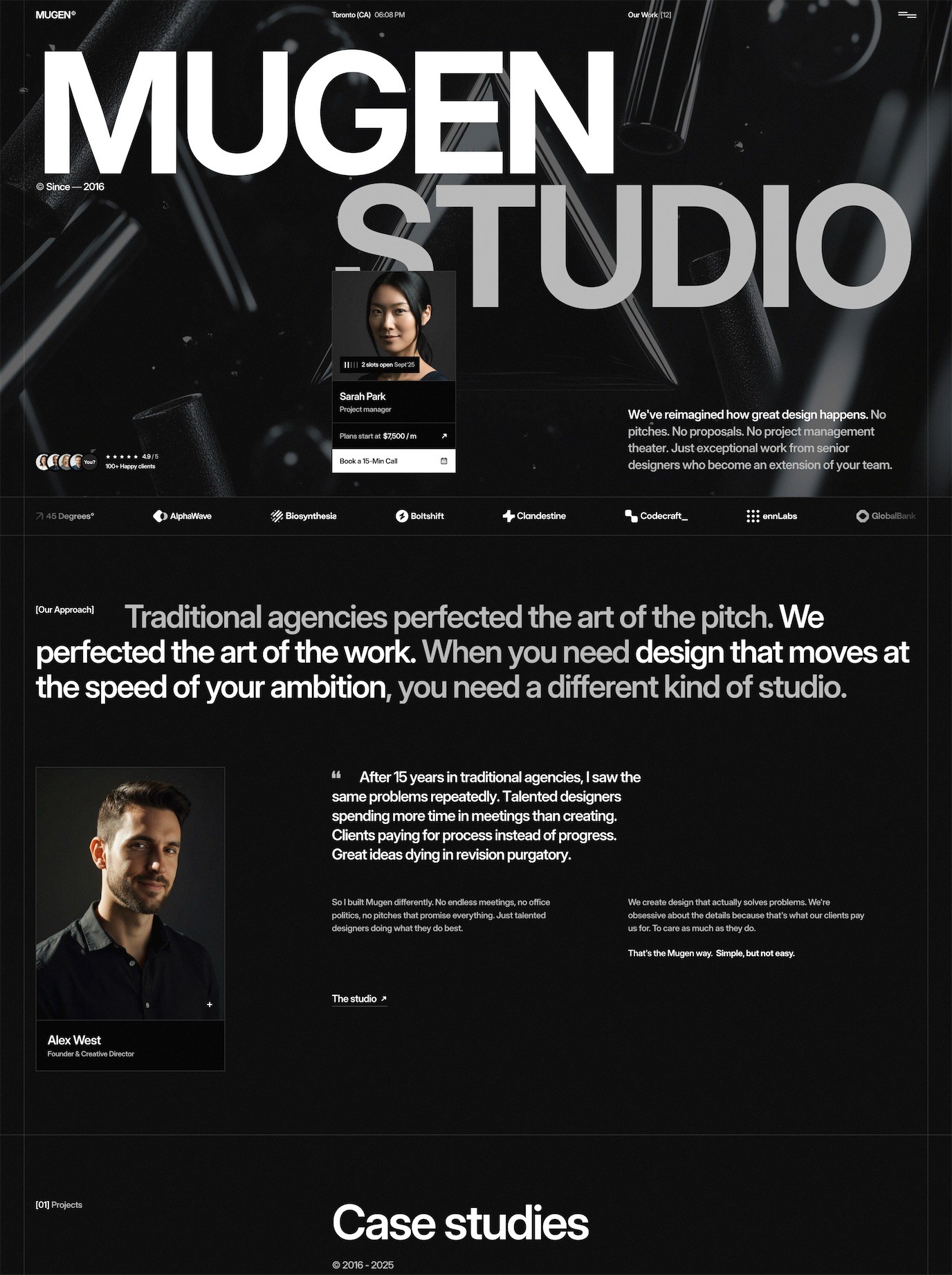
Display fonts are the punctuation marks of web typography, providing visual excitement and personality to strategic areas of your design. In 2026, designers are moving beyond generic geometric display fonts toward typefaces with distinctive character and cultural relevance.
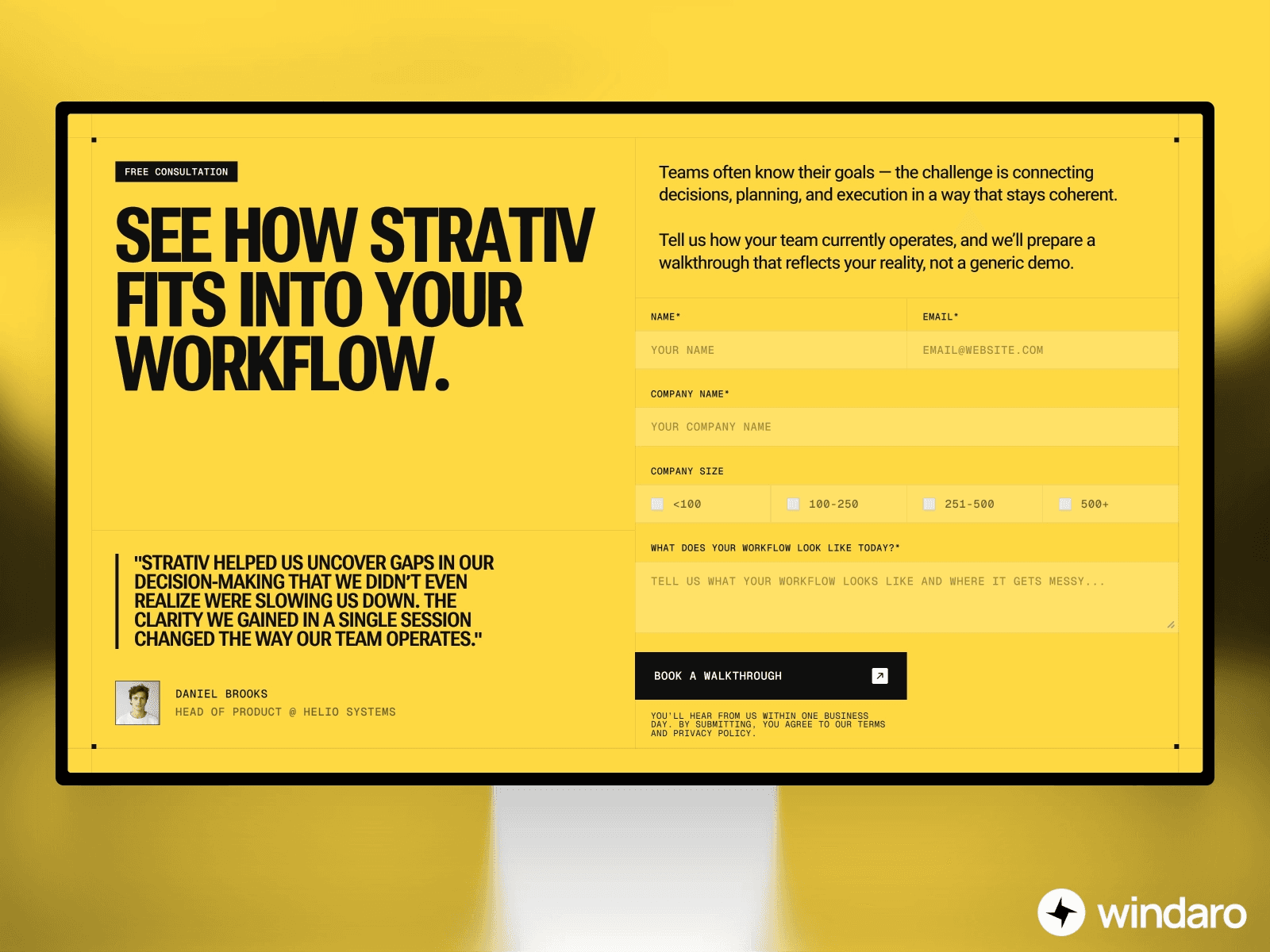
When selecting display fonts, remember that less is more. A single distinctive display font paired with understated body typography is far more effective than competing typefaces fighting for attention. Display fonts work best in headlines, hero sections, and callouts where their character can enhance communication without compromising readability.
The most effective display fonts share certain qualities: they command attention, they're distinctive enough to create brand recognition, and they maintain enough restraint to remain professional. In 2026, we're seeing a movement away from overly decorative fonts toward display typefaces with personality but substance, fonts that can elevate a design without becoming a distraction.
Google Fonts Versus Custom Font Solutions
The decision between Google Fonts and custom font solutions represents one of the most important considerations in web typography. Both approaches have distinct advantages and limitations that should factor into your decision-making process.
The Google Fonts Advantage
Google Fonts remains the most accessible font solution for web designers. The library offers thousands of free, open-source typefaces that are properly optimized for web use. Using Google Fonts eliminates licensing concerns, provides exceptional performance through Google's content delivery network, and requires minimal technical setup. For designers building on platforms like Framer, which offer native Google Fonts integration, this solution is particularly attractive.
However, the ubiquity of popular Google Fonts like Roboto, Open Sans, and Montserrat means your website might feel generic if you choose fonts everyone else is using. The most successful Google Fonts choices in 2026 come from designers who dig deeper into the library to discover less common typefaces that offer distinctive personality.
Custom Font Solutions and Premium Licensing
Premium font libraries like Adobe Fonts, FontFont, and Monotype offer access to exclusive typefaces unavailable through free services. These foundries invest significantly in font design and often provide better language support, more extensive character sets, and superior kerning than free alternatives. For brands that want distinctive, premium typography as part of their visual identity, custom fonts from foundries often justify their cost.
Variable fonts from premium providers offer remarkable flexibility, allowing single font files to cover numerous weights, widths, and optical sizes. This technology has made premium fonts more practical for web use, as a single variable font file can replace what previously required multiple separate files, reducing overall file size and improving performance.
Font Pairing Strategies for Cohesive Design
Successfully pairing typefaces requires understanding both the technical and aesthetic relationships between fonts. The most effective font pairings create visual harmony while establishing clear hierarchy and distinct personalities for different content areas.
Pairing Sans-Serif with Serif
The traditional sans-serif and serif pairing remains popular in 2026 for good reason. This combination creates immediate visual differentiation between headings and body text while offering excellent readability across all contexts. A clean, modern sans-serif like Inter paired with an elegant serif like Lora creates a sophisticated, editorial aesthetic that works across virtually every industry.
When pursuing this pairing strategy, consider the contrast between your fonts. Fonts with significantly different personalities create stronger visual distinction, while fonts with similar weights and proportions create a more unified, cohesive appearance. Both approaches can be effective depending on your design goals.
Two Sans-Serif Combinations
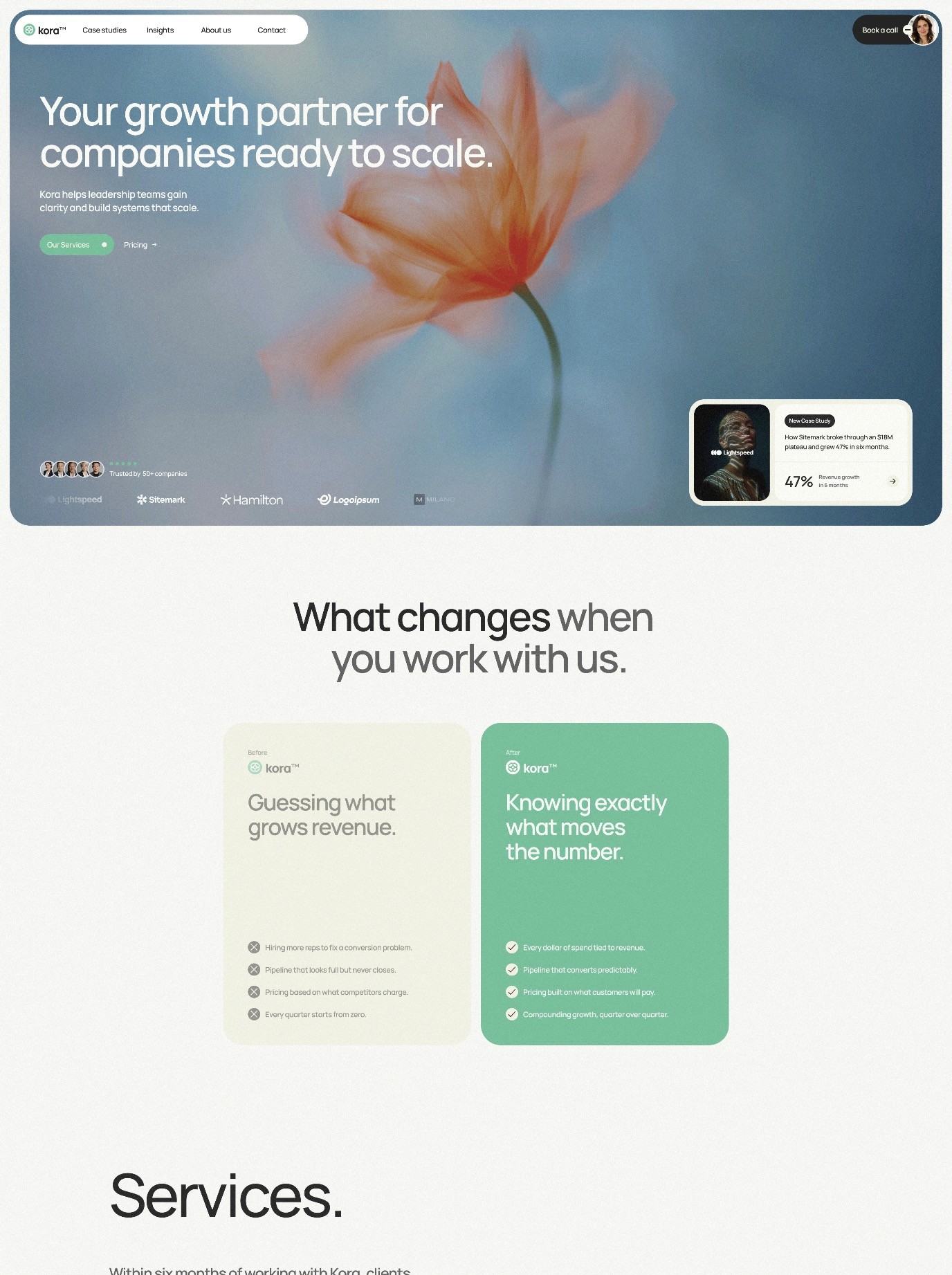
Pairing two sans-serif fonts requires more careful consideration than traditional serif and sans-serif combinations. The key is selecting fonts with distinctly different characters. Pairing a geometric sans-serif like General Sans with a humanist sans-serif like Plus Jakarta Sans creates enough visual distinction while maintaining a cohesive, modern aesthetic. The geometric font typically works for headings while the humanist font serves as body text.
This approach has become increasingly popular among technology companies and digital agencies that want a thoroughly modern typographic system. When executed well, dual sans-serif pairings feel intentional and design-forward rather than accidental or careless.
Font Loading, Performance, and Technical Optimization
Selecting beautiful fonts means nothing if they compromise your website's performance. As discussed in our article about essential website performance optimization tips for Framer sites, font loading strategy directly impacts user experience and search engine rankings.
Variable Fonts and File Size Reduction
Variable fonts represent the single most important development in web typography performance. Rather than serving separate files for each weight and style, variable fonts contain all variations within a single file. A variable font might contain ten different weights in a file smaller than two or three static font files.
In 2026, variable fonts have become the standard for performance-conscious designers. Modern browsers support variable fonts nearly universally, and font foundries increasingly offer variable versions of their most popular typefaces. When choosing fonts, prioritize variable options to minimize the impact on your page load times.
Font Display and Fallback Strategies
The CSS font-display property controls how browsers handle fonts that haven't fully loaded. The 'swap' value prevents invisible text while custom fonts load, providing a better user experience than waiting for fonts to download. This strategy accepts a brief moment where system fonts appear, then swaps in your custom fonts once available.
Choosing system font fallbacks that closely match your custom fonts minimizes the visual shift users experience. If your primary font is a sans-serif, use system sans-serifs as fallbacks. This attention to detail ensures acceptable user experience even on slower connections.
Accessibility Considerations in Web Typography
Typography plays a crucial role in web accessibility. The fonts you select and how you implement them directly impact whether your website is usable for people with vision impairments, dyslexia, or other conditions affecting reading.
Fonts with clear letterform distinction — where characters like 'l', 'I', '1', and 'O', 'o', '0' are visually distinct — improve usability for people with low vision. Fonts like Inter, Lora, and Merriweather were designed with these considerations in mind. Font size and line spacing also matter enormously for accessibility. Body text should be at least 16 pixels, with line height of at least 1.5.
Research suggests that certain font characteristics benefit people with dyslexia. Sans-serif fonts with generous spacing, clear letterforms, and slight bottom-heavy weighting can improve readability. Beyond font selection, layout matters for accessibility. Justified text alignment causes irregular word spacing that can be problematic for dyslexic readers. Using left-aligned text with consistent spacing, limiting line length to 50-75 characters, and providing generous paragraph spacing all contribute to an accessible reading experience.
Responsive Typography and Framer Implementation
Typography must adapt gracefully across devices to remain readable and beautiful on everything from small mobile phones to large desktop displays. As covered in our guide to Framer breakpoints and responsive design, implementing responsive typography requires careful planning.
Modern approaches to responsive typography often use Framer's variable system to adjust font size, line height, and letter spacing at different breakpoints. Rather than drastically changing fonts across devices, designers now typically keep fonts consistent while adjusting size and spacing. This maintains brand recognition while optimizing readability for each device.
For designers building with Framer, the typography system allows you to create text styles that propagate across your entire project. Selecting your fonts early and establishing a clear hierarchy ensures consistency and makes future updates simple. If you're building a portfolio website, our article on how to build a portfolio website in Framer walks through establishing typography systems that showcase your work effectively.
Test your typography choices across different browsers and devices before launching. Web fonts render slightly differently across platforms, and what looks perfect on your Mac might render differently for Windows users. Account for these variations in your font selection and sizing.
Building Your Typographic Foundation
Selecting the right fonts for your web design is both an art and a science. The most successful designs result from understanding your brand personality, knowing your audience, researching available options, and implementing fonts with performance and accessibility in mind. In 2026, the tools and technologies supporting web typography have never been better, giving designers unprecedented ability to express brand personality through type while maintaining excellent user experience.
Start with purposeful font selection rather than defaulting to ubiquitous choices. Consider your brand positioning, test fonts with your actual content, and measure the performance impact of your choices. Whether you opt for Google Fonts for their accessibility and performance, or custom fonts from premium foundries for distinctive branding, your typography decisions will significantly influence how users perceive and interact with your website. The best font choices are those that enhance readability, support your brand identity, and create a welcoming, accessible experience for everyone who visits your website.